
76 filmmakers, 27 countries, 1 day
Frontline storytellers bring us closer to the territories
A Day on Earth was created with a radical idea to involve filmmakers across a wide spectrum of professional and technical experience. By telling the story from the eyes of Indigenous, Afro-descendant, and local storytellers, we strengthen a living ecosystem of filmmakers. From seasoned filmmakers to first-time contributors, territorial knowledge in all its forms is turned into cinematic power.
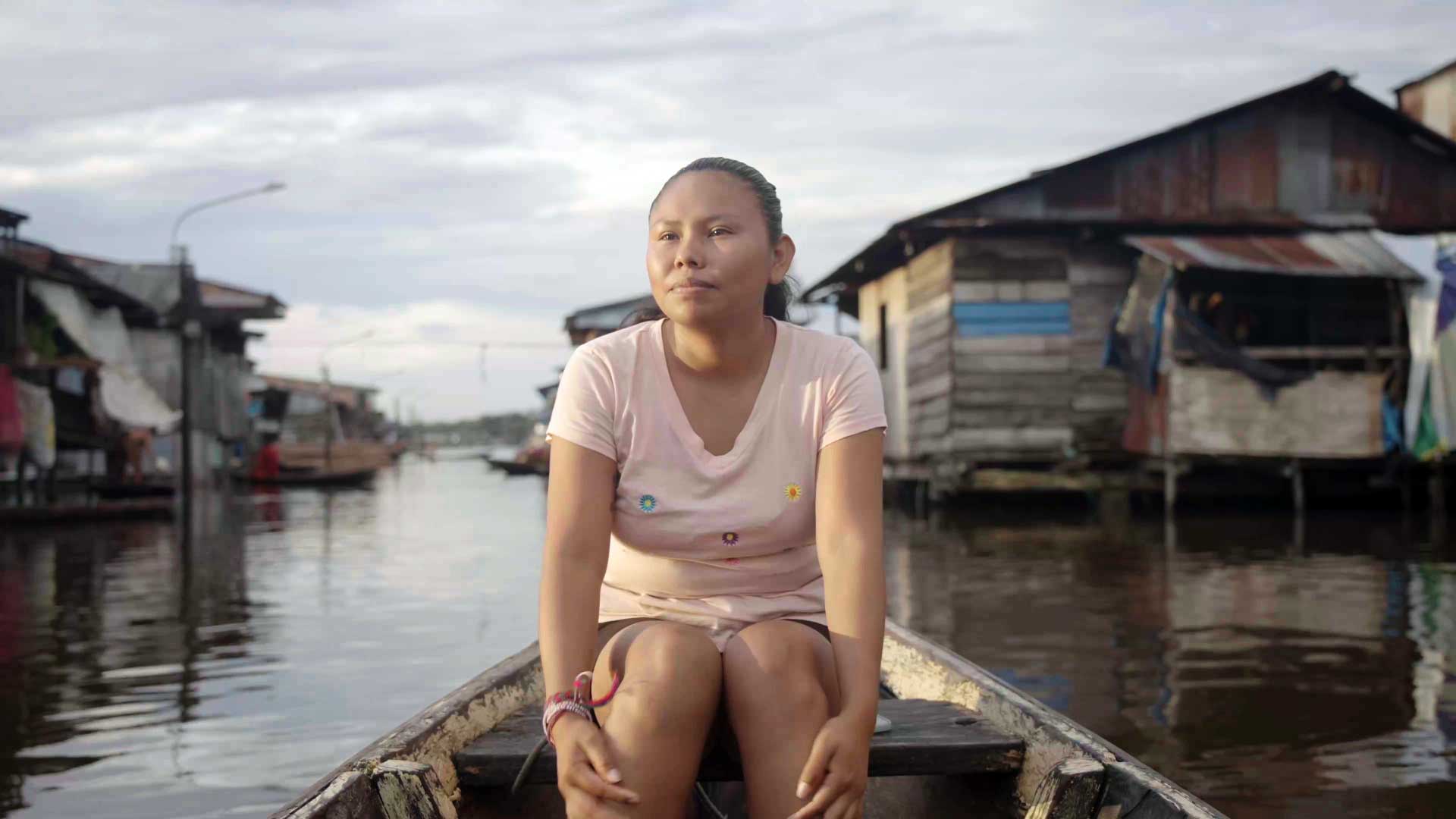
Livia Silvano Pacaya
Kukama, Peru
Bio
Livia Silvano Pacaya is an emerging director, producer, and actress from her the Iquitos region, in Loreto. She began her work in film production at the age of 19 and subsequently directed her first short film. She is the co-director of MUYUNA FEST – International Floating Jungle Film Festival, which was born in the heart of the Peruvian Amazon in Iquitos—the largest city in the world inaccessible by road.
@livia_silvano

Roxana Carpio
Quechua, Peru
Bio
Roxana Carpio Almonte is an Andean-Quechua communicator and multidisciplinary artist from Puno, Peru. Her work as an audiovisual producer, singer, and educational clown is driven by an ethical commitment to visibility, social justice, and defending her territory. An ecofeminist and animal rights activist, she creates art that challenges inequality and reclaims historical memory. She is a recognized award winner and was declared “Puneña of the Bicentennial” by the Congress of Peru.
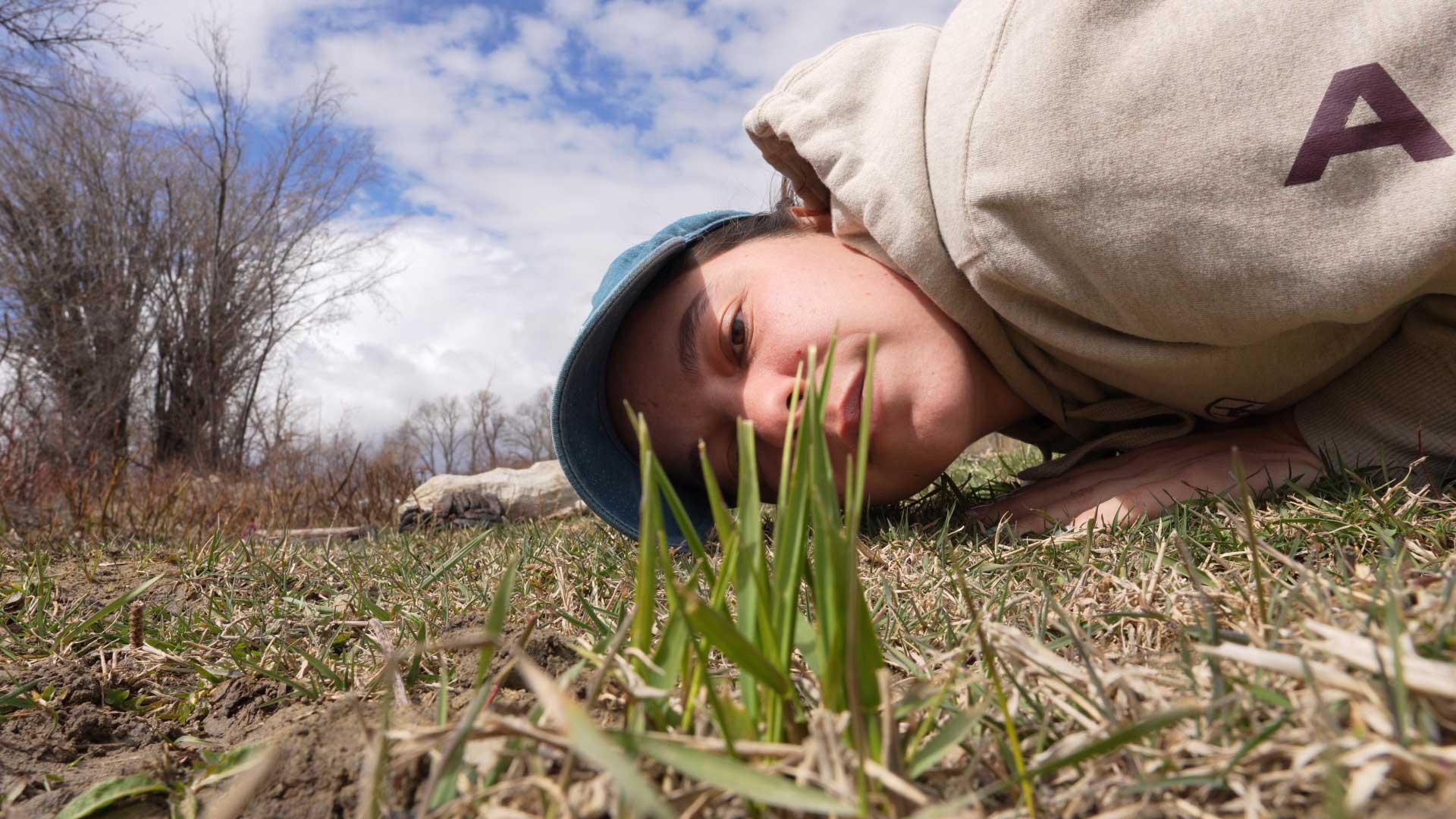
Whitney Snow
Pikuni/Blackfeet Nation, United States
Bio
Whitney is a documentary photographer who is dedicated to capturing stories that depict the emotional connection between people and their environment. She focuses on narratives about indigenous communities and their struggle to preserve their way of life, including efforts related to environmental and cultural conservation, as well as language revitalization. Her main focus is the Blackfeet Nation, where she works alongside local indigenous documentary filmmakers, environmental groups, community members, and state/national organizations to document the environmental and cultural preservation initiatives of the Blackfeet people.
@whitneytsnow
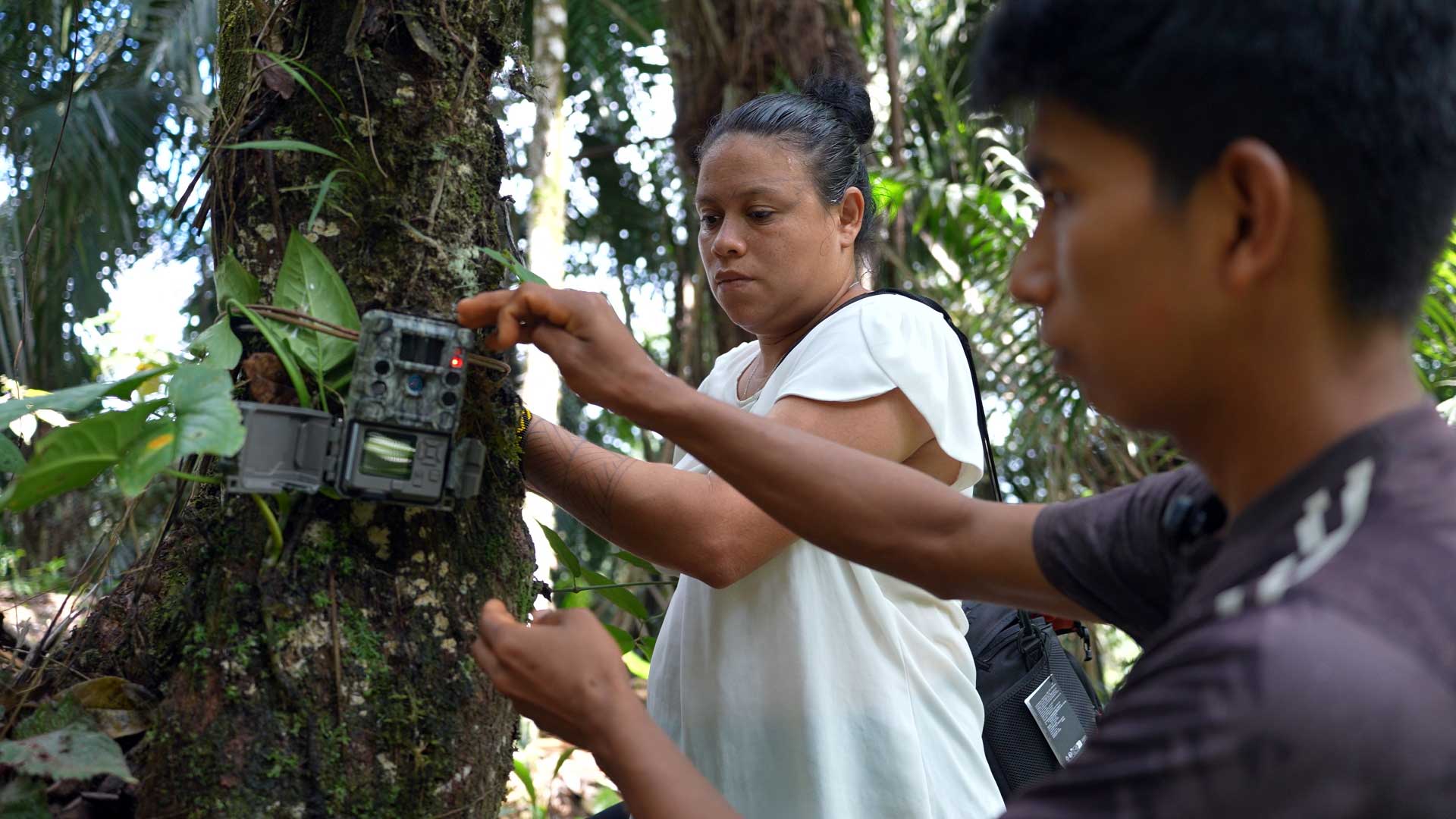
Samai Gualinga
Kichwa, Ecuador
Bio
Samai Gualinga is a Kichwa woman from the Indigenous Kichwa People of Sarayaku, the People of the Midday, where resistance and the Kawsak Sacha (Living Forest) will remain forever. Born in the heart of the Amazon rainforest, she has found in communication a form of struggle—a tool to narrate the living history of her people. She is a communicator, audiovisual producer, and part of the Waktachik team, which strengthens ancestral memory through word, art, and radio. As vice president of Sarayaku, she drives processes of education and self-determination. Her voice has been raised in international forums, bringing the jungle to the world and defending life.
@samai_gualinga_
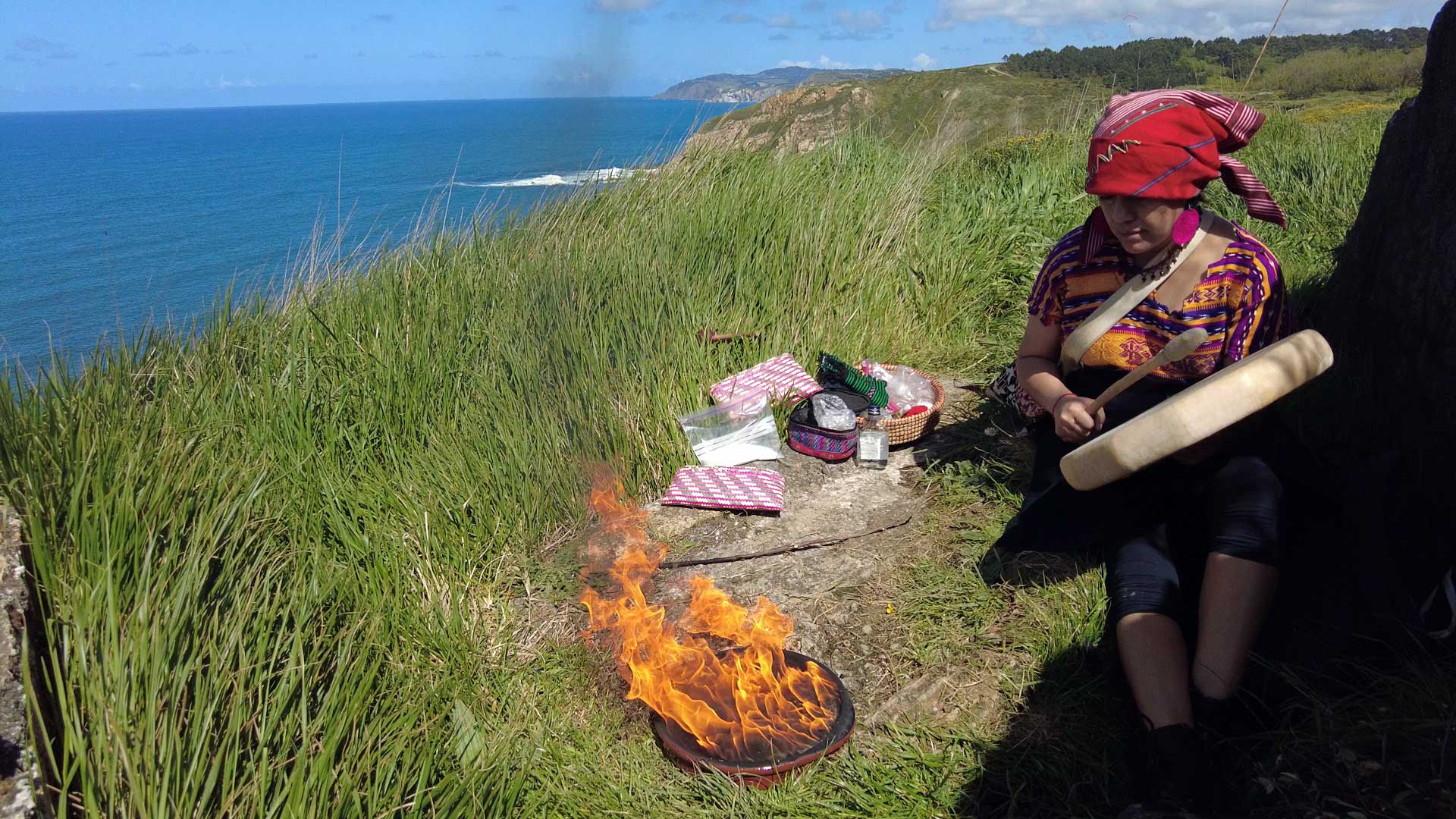
Ana Lucia Ixchiu
Maya K´iche, Guatemala
Bio
Ana Lucia Ixchiu is a Maya K’iche’ woman from Totonicapán, Guatemala, she is a multifaceted artist, cultural manager, singer, community journalist, architect, community art curator, indigenous storyteller, and film director. A pioneer in creating works addressing art and the climate crisis, she has been an activist since the age of 11. Her path intensified following the October 4, 2012, massacre at the Alaska Summit—where the Guatemalan army attacked Indigenous people from Totonicapán—transforming her into a powerful activist and journalist for Indigenous rights. She was a leader of the student movement from 2013 to 2017. Currently, she lives in exile and is criminalized by the Guatemalan state as a target of the country’s criminal dictatorship and kleptocratic powers.
@luciaixchiugt
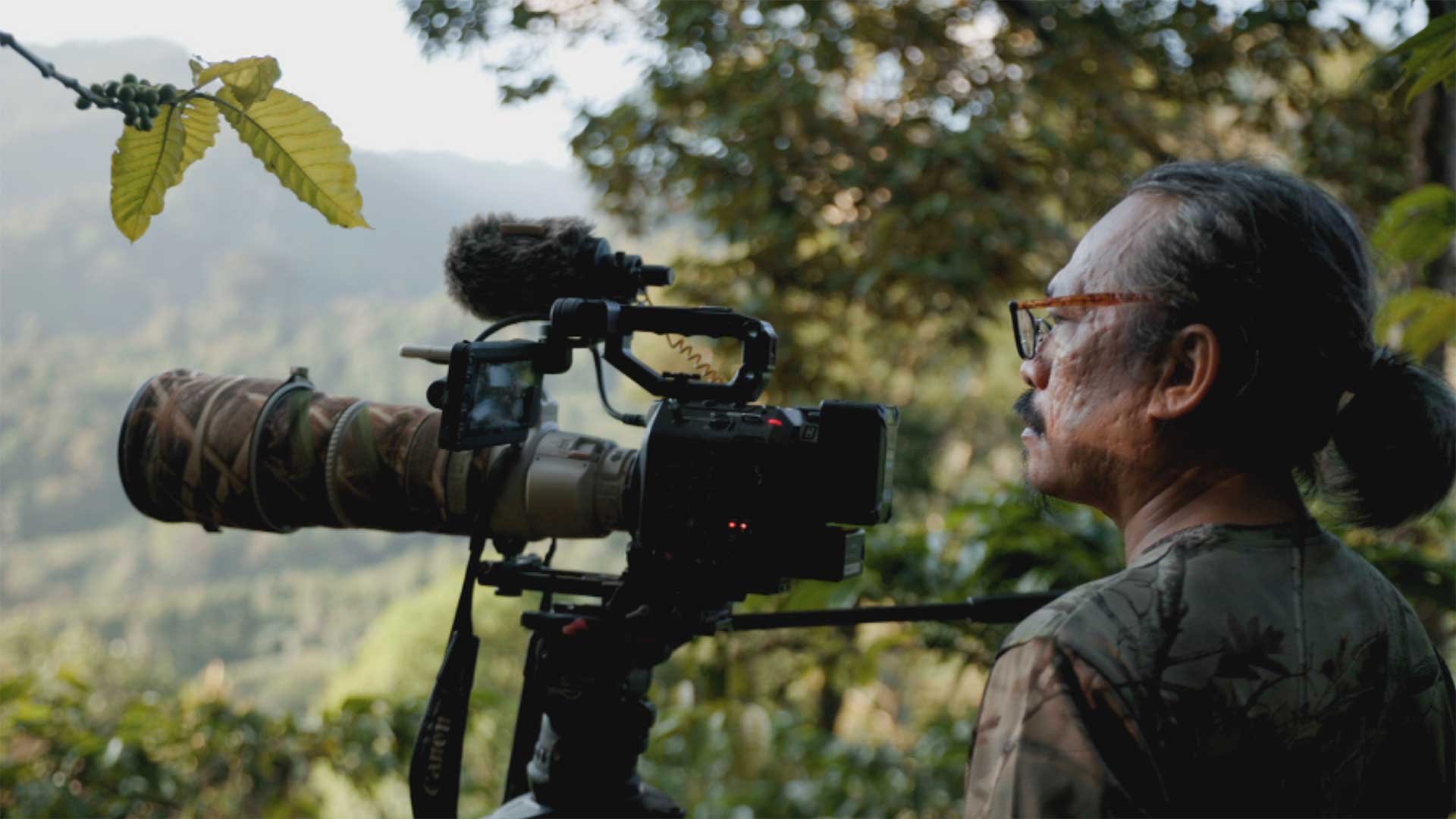
Nanang Sujana
Rejang, Indonesia
Bio
Rejang Indigenous Filmmaker. Nanang Sujana is an award-winning documentary filmmaker. He has been filming for BBC Natural World, National Geographic, Netflix, NHNZ, Aljazeera, Stern TV. Recently worked the Ocean Preservation Society feature documentary, ‘‘The Last Place on Earth’ as DoP, Producer and Editor.
@tunkalai

Nasawali Leslie
Mumasaba, Uganda
Bio
Nasawali is a non-profit communications specialist, filmmaker and documentary visual storyteller with over 8 years of experience. He has a strong passion for telling human-interest stories and capturing authentic moments that tell a compelling story. He has used his skillset and passion to assist various non-profit organisations both local and international to personify their work while enabling their audiences to gain a deeper understanding of the impactful community initiatives they undertake through the art of storytelling. Nasawali’s work has taken him to remote corners of the world, where he has had the privilege of documenting the lives of people from all walks of life.
@nasawali
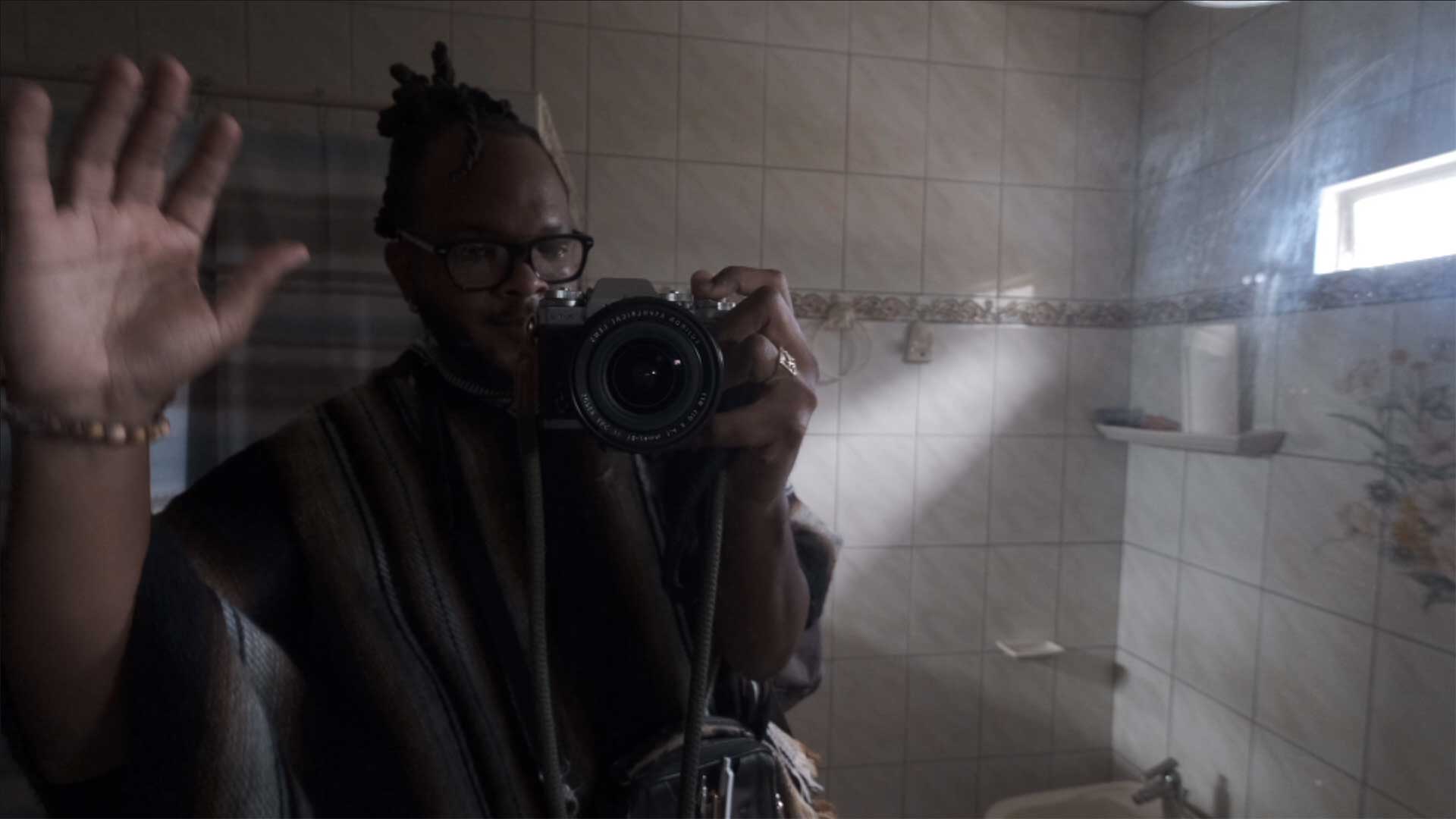
Vonley W. Smith
Karlingo, Garifuna, Trinidad and Tobago
Bio
Vonley Smith is a creative filmmaker skilled in the areas of cinematography, editing and directing. His films have been screened at regional and international film festivals, including Trinidad and Tobago Film Festival (2021), Hairouna Film Festival (2021) and Caribbean Tales International Film Festival (2021). Vonley is currently working towards his first feature film.
@soulvws
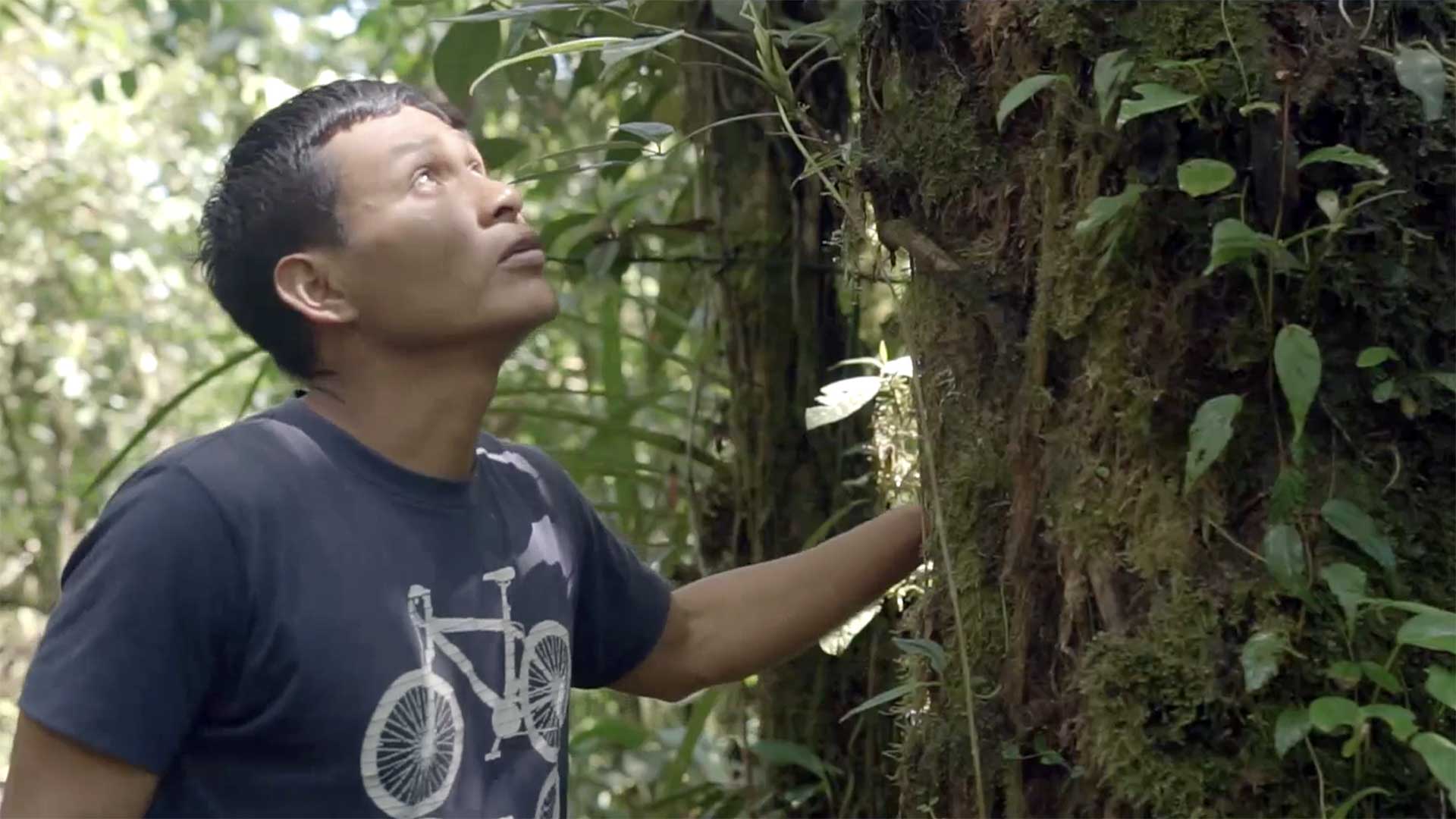
Carlos Enqueri Omene
Waorani, Ecuador
Bio
Carlos is a documentary film maker who lives in the community of Waorani Titepare, in the Amazonian Region of Ecuador. His role involves the showcasing and storytelling of Waorani lives through his audio-visual productions. A few years ago he started visiting several territories where he noticed a big impact from the oil and mining industries. At that moment, he decided to start telling his people about these environmental disasters using short videos, with the intention of reminding them that the future depends entirely on the protection of the forest and raising awareness about how serious the impact of pollution is. Carlos is an environmentalist and believes that this is a position any indigenous person should hold. Since he had no other choice but to learn about the struggles of the Waorani resistance, he started to work with Alianza Ceibo – an organization which is supported by local foundations and aims at raising awareness about the environmental and cultural impacts caused by the oil industry.
@carlosenqueri87
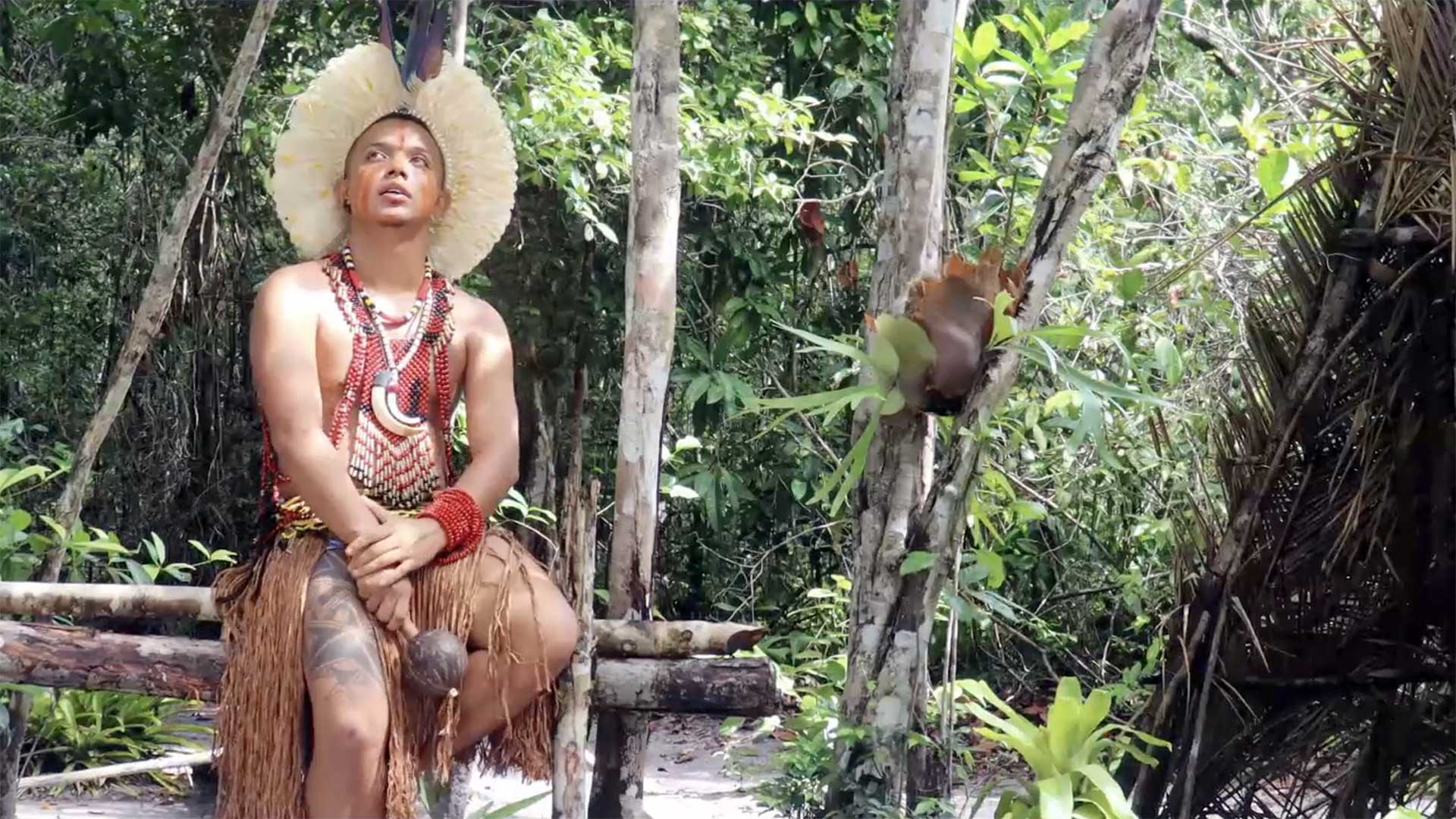
Eduardo Ferreira
Pataxó, Brazil
Bio
Eduardo Pataxó (Eduardo Ferreira Pedro), whose indigenous name is Manuhã Pataxó, is a communicator, photographer, activist, and indigenous youth leader from the Pataxó people of the Tibá Village, in the Comexatibá Indigenous Territory (Prado, Bahia). He participated in the Micro-Grant Program for Indigenous Reporters developed by Agência Pública in partnership with the Norwegian Support Program for Indigenous Peoples. He comes from a family of great matriarchs and leaders of the Pataxó people: he is the great-grandson of Zabelê, grandson of Jolina (Jurema), and son of Rosa and Mãdin Pataxó, a leader in the Rio do Cahy Village. Following in the footsteps of his relatives, Eduardo is an activist for his people’s rights in political and institutional spheres. For over 10 years, he has been lecturing on youth, culture, love, and the protection of Mother Nature, always empowering Pataxó youth to honor their roots.
@edupataxo
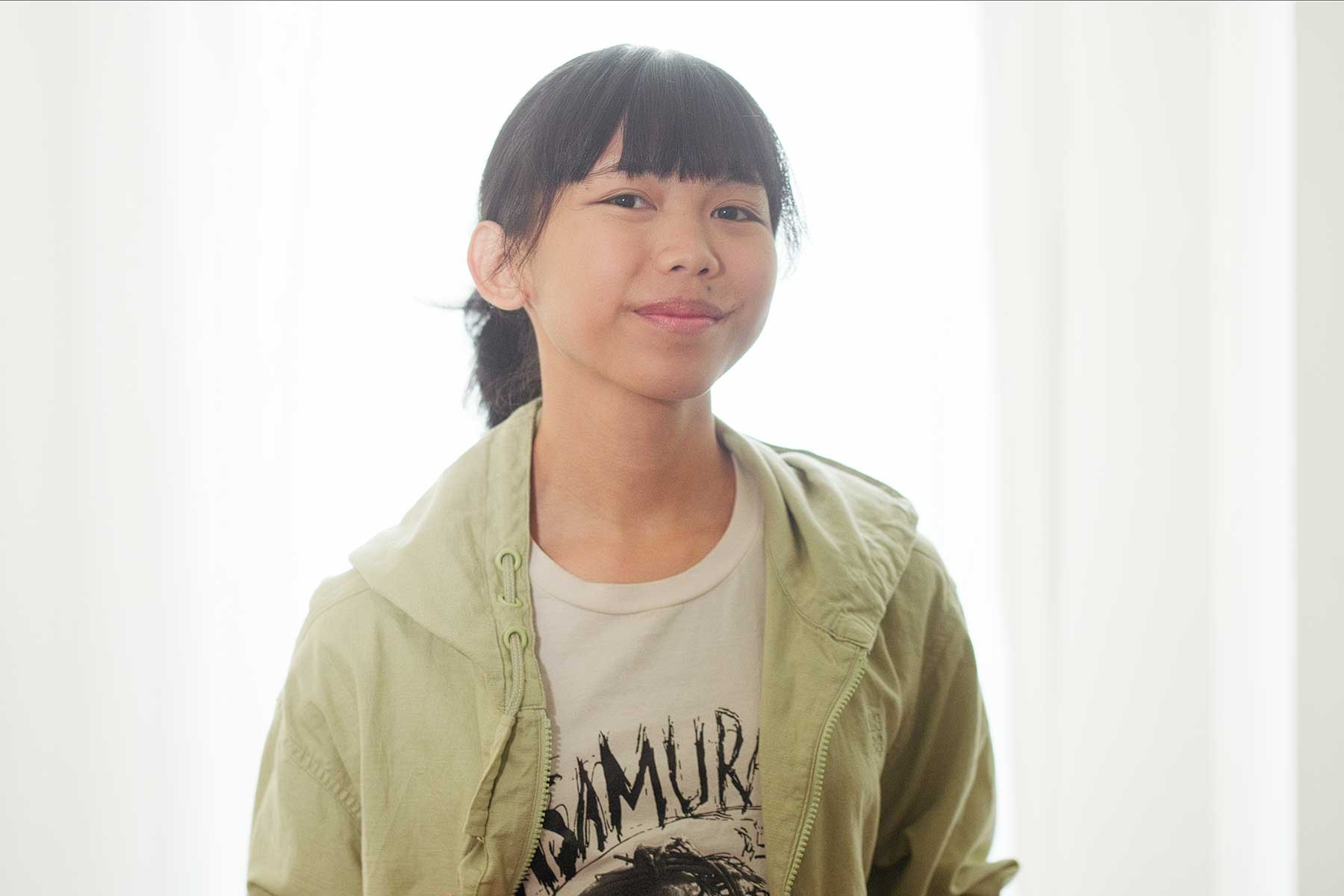
Kynan Tegar
Iban, from Sungai Utik, Indonesia
Bio
Kynan (She/Her) is an Indigenous storyteller from the Iban people of present day West Borneo, Indonesia. Living in and around the longhouse of Sungai Utik, Kynan learns directly from the elders, listening to and capturing their stories of resistance in the face of encroaching deforestation and the lasting scars of colonialism in the region. Picking up her first camera as an inquisitive twelve-year-old, Kynan was making her first short films soon after. These films not only serve as a glimpse of the Iban’s way of life told through an emic lens, but are also actively used as tools for advocacy. Through filmmaking, activism, and policy engagement, Kynan amplifies the voices of indigenous communities and articulates the challenges that they face, and explores emerging pathways in understanding what it means to be Indigenous. Currently an undergraduate student in anthropology at Universitas Indonesia, Kynan has showcased her work and begun critical discussions in spaces such as Columbia University, the New York Climate Week, the American Natural History Museum, and the UNFCCC COP 29.
@kynantegar

Ana María Jessie Serna
Raizal, Colombia
Bio
Ana Maria Jessie Serna is a Caribbean filmmaker, a being of salt rooted to her ancestral territory. Her community, emancipated over two hundred years ago, finds its freedom intrinsically tied to the sea. She witnesses the ongoing attempts to erase her Raizal culture through industry, tourism, and colonial deceit, yet she sees its resistance—like the manglares, rooted steadfast against the hurricanes. Ana safeguards her community’s struggle through her lens, using filmmaking as an instrument for memory. To make cinema from the territory is to converse with fishers, dig into the earth, and swim in oceanic blues. Her work is a defiant declaration to the world: the Raizal people rise daily. Despite those who would take their shores or poison their lands, she answers the waves that speak to her, continuing to carve a path with images that will do justice to their history.
@manitajessie
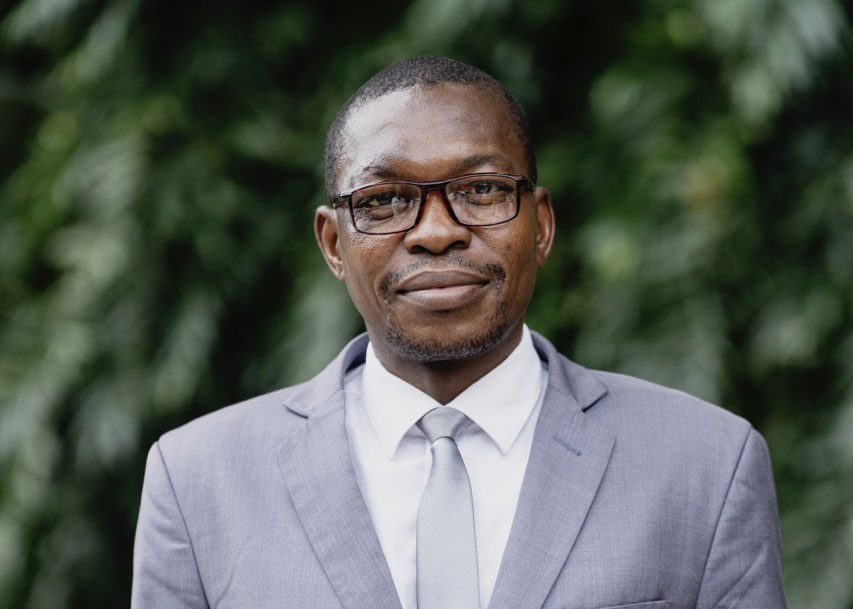
Abakar Toya Issabi
Mbororo, Djafoun clan (nomadic Fulani), Central African Republic (CAR)(RCA)
Bio
Abakar Toya Issabi is a young jurist from the Indigenous Mbororo community in the Central African Republic, a country in Central Africa. He is an activist for the protection of his community’s rights and an environmental defender. Now in his thirties, he began from a young age—in primary school, secondary school, at university, and now within an Indigenous organization—to demand the recognition of Indigenous peoples’ rights, their participation in decision-making and public life, the recognition of their ancestral and cultural lands, the promotion of their culture, and the safeguarding of their traditional knowledge. These struggles led, at the state political level, to the signing of Convention 169 on the Rights of Indigenous and Tribal Peoples.
@Abakartoyaissabi
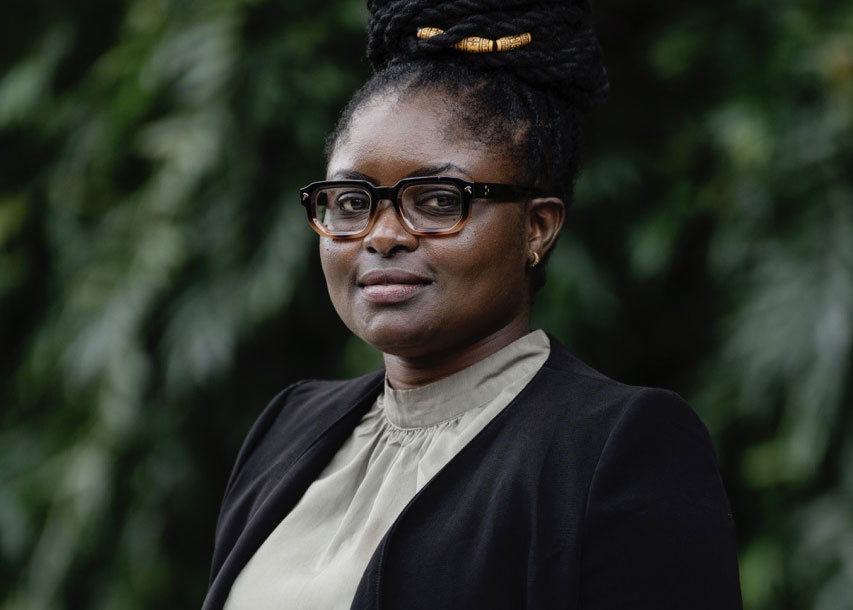
Elysée Mopipi
Tembo, Congo-Kinshasa (DRC)
Bio
Elysée Mopipi is a daughter of the forests and mountains of Eastern DRC. Her country, rich in biodiversity, has been marked by war, causing trauma and threats to her community’s values and environment. As a guardian of this fragile nature, she carries the legacy of her ancestors to preserve the environment. As a member of REPALEAC (Network of Indigenous and Local Populations for the Sustainable Management of Forest Ecosystems in Central Africa), she fights for the protection of biodiversity and the love of her land. Her journey bears witness to resilience and hope, committed to preserving her identity in the face of the challenges of our time.
@elly2mpson
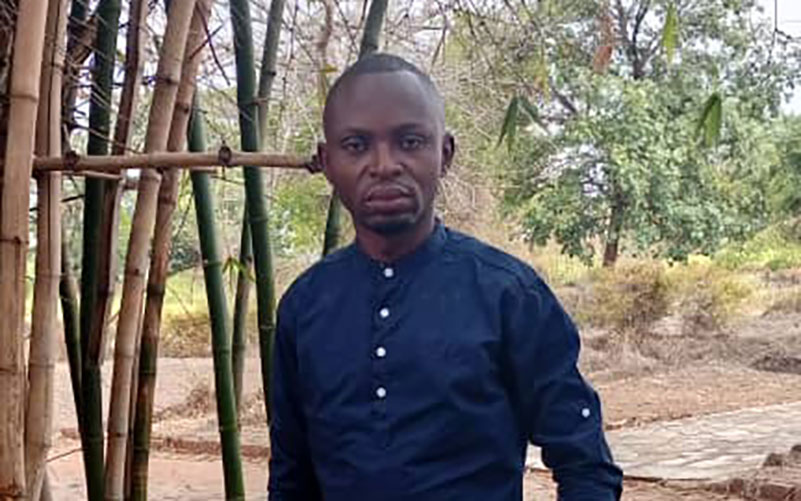
Crispin Nawej Tshimwish
Ruund, Congo-Kinshasa (DRC)
Bio
Crispin Nawej is of Congolese nationality. He is 35 years old. He is committed to promoting the culture and knowledge of the Indigenous Pygmy peoples. “The Indigenous Pygmy peoples are the first inhabitants of my country, the Democratic Republic of Congo, located in Central Africa. These peoples are often marginalized and their rights are violated; their children do not have the opportunity to attend school to receive a proper education and prepare for their future. Yet this is a people who still preserve their ancestral culture. Their lives depend largely on the forest, where they hunt and gather, and also on medicinal plants for healing.” His commitment to promoting Pygmy knowledge aims to advocate to decision-makers so that their rights are respected and they too can live like every human being.
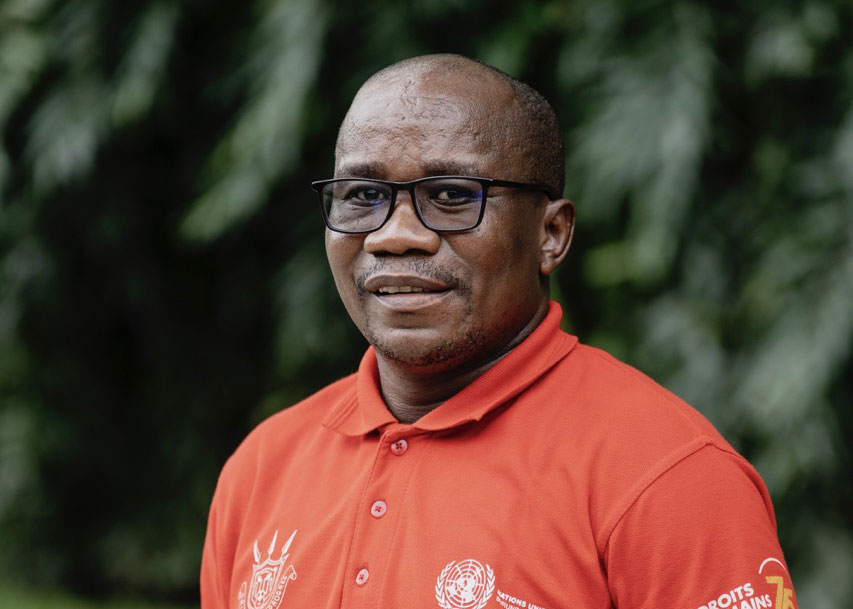
Arthémon Katihabwa
Batwa, Burundi
Bio
Arthémon Katihabwa is a Burundian lawyer and human rights advocate who is currently the Minister of Justice, Human Rights, and Gender in Burundi. Born in the mid-1980s, his early life was shaped by the hardships of the Burundian civil war, including a two-year period at a young age in a rebel group before he chose to return to school. Overcoming poverty and studying by candlelight, he pursued a law degree from Hope Africa University, later earning a scholarship to study human rights mechanisms in Geneva. Before his ministerial appointment in 2025, Katihabwa worked as a lawyer, founded a youth association for the Batwa community (AJBD – Actions des Jeunes Batwa pour le Développement Durable), and served as the Permanent Secretary of the High Council of the Judiciary, grounding his leadership in a commitment to justice, dialogue, and serving marginalized communities.
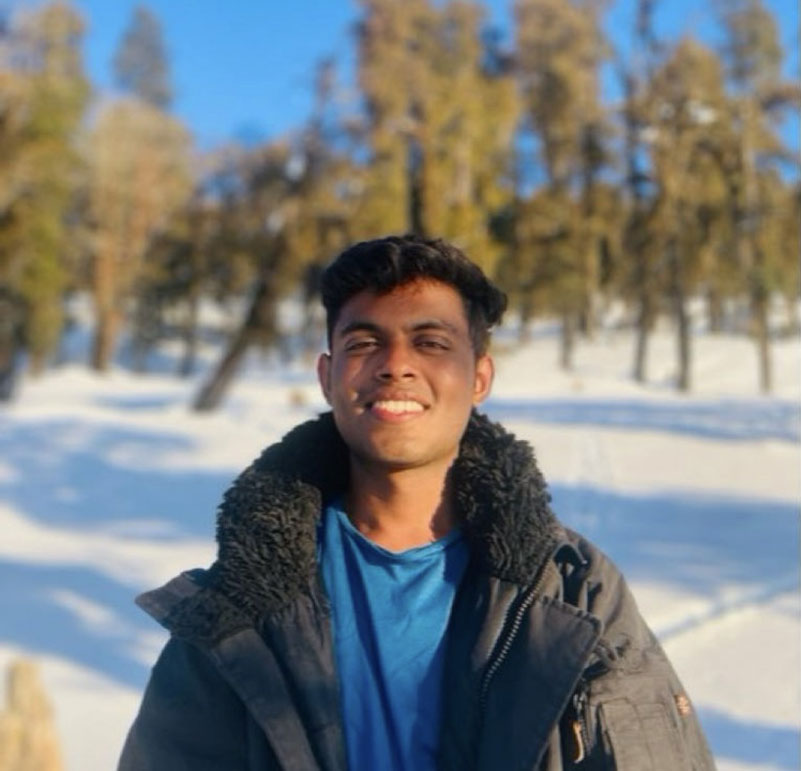
Prince Kumar
Maithili, India
Bio
Prince Kumar comes from the Mithila region of Bihar, India, and is currently studying at the prestigious Film and Television Institute of India (FTII), where stories breathe in every frame. He is a filmmaker, an editor, and a passionate storyteller. His journey has taken him from youth advocacy with UNICEF India to gender justice with Oxfam India, and most recently, to the UNDP’s Global Programme on Nature for Development, using the camera not just to record, but to remember, to reimagine. He believes in stories that play. Stories that question. Stories that stay. Whether it’s animating a childhood tale or editing a documentary across distant lands, he tries to uncover the quiet truths hidden between images. Because from Prince, when the world forgets, cinema remembers. He is constantly editing, creating, learning, so that somewhere, someone dares to dream differently.
@the_filmy_prince
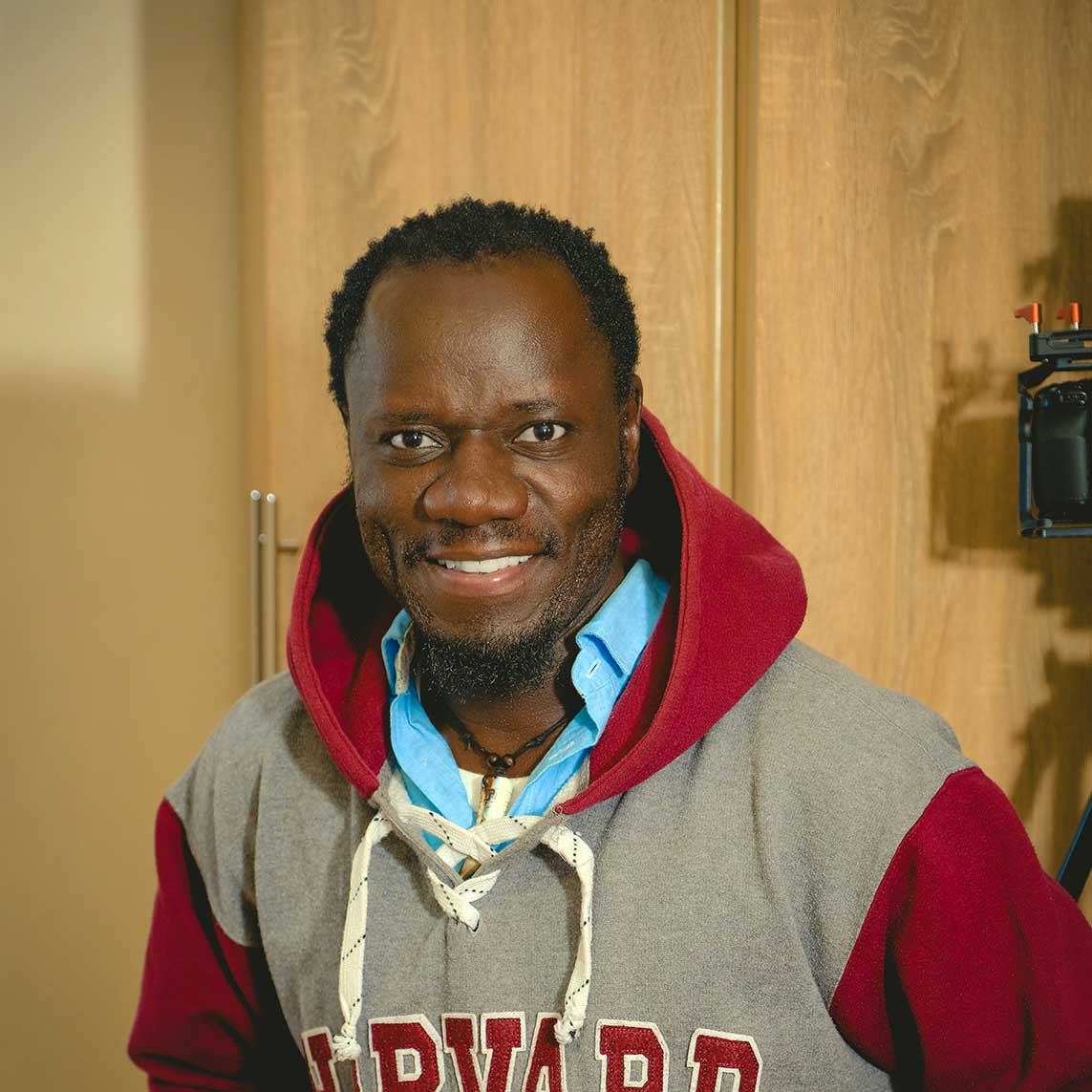
Irenge Matoleo Glod
Congolonese (local community), Burundi
Bio
Glod is a Congolese storyteller and filmmaker who was born in Goma, in the eastern part of the Democratic Republic of Congo. Due to conflict, insecurity, and volcanic eruptions, he was forced to leave his homeland and relocate to Burundi. His homeland Goma is a place of fertile volcanic soil and endless challenges; where the mountains rise above Lake Kivu and the streets echo with both joy and fear; where families rebuild their lives again and again after war, after eruptions, after everything. Even as a refugee, he has never let these hardships silence him. Instead, they have given him countless stories—narratives of resilience, of identity, of communities that refuse to disappear. Living in Bujumbura, he has discovered that Burundi is rich with cultural treasures. This amazing country holds a thousand indigenous traditions, waiting to be revealed to the world.Through his work, he is committed to sharing these stories. To show that even in displacement, there is inspiration. Even in exile, there is belonging.
@glod_i.m
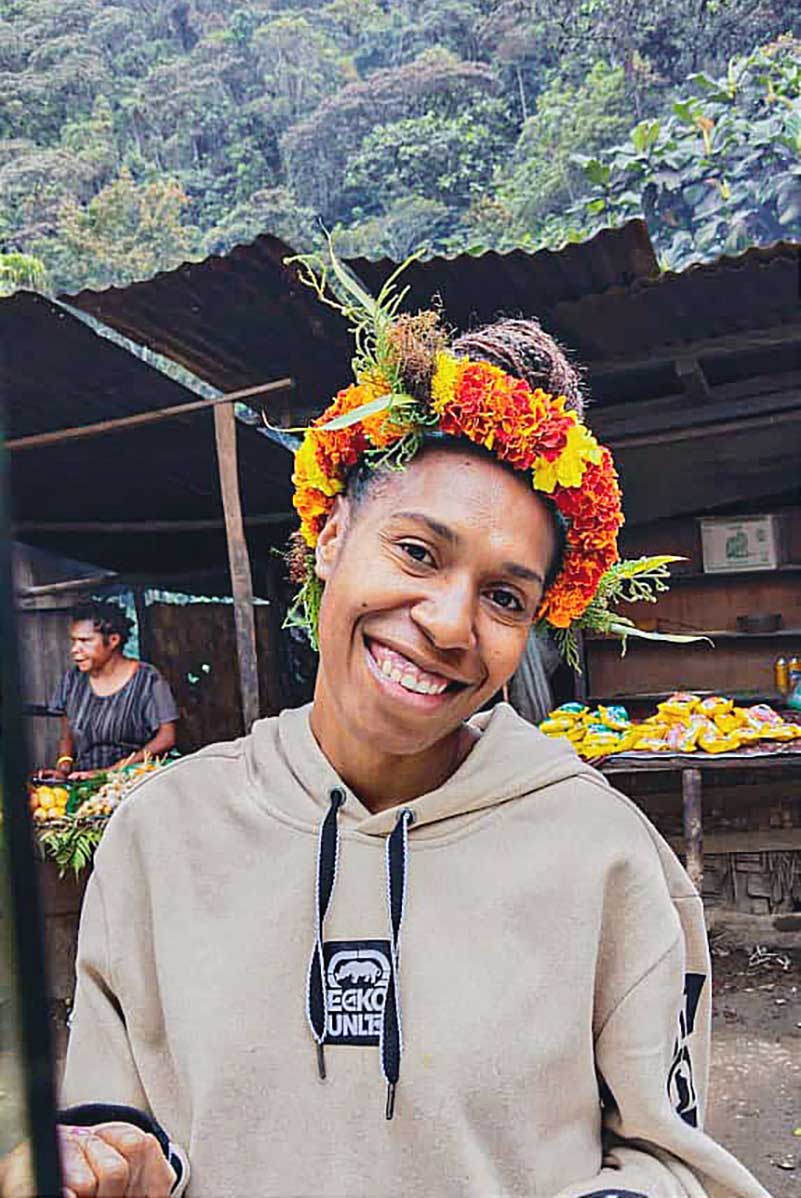
Gloria Mathias Eino
Kokopi, Papua New Guinea
Bio
Gloria Mathias Eino is a freelance filmmaker and advocate for change who has been working in the field since 2017. What began as a pursuit of passion has become a dedicated craft, rooted in her deep commitment to humanity, environmental conservation, and the preservation of her country’s rich cultural diversity. As an indigenous Melanesian of Papua New Guinea, storytelling is central to Gloria’s identity. She views media as a powerful vessel for sharing and safeguarding her people’s narratives, believing firmly in the ability of a single voice to guide others toward the help and direction they need. Balancing work and study, Gloria currently freelances in filmmaking while pursuing a Bachelor’s in Communication for Development at the Papua New Guinea University of Technology. Her work is driven by a belief in telling stories that matter. In 2020, she became a strong advocate for sustainable development following the release of her documentary Numu’s Rice Policy, which is available on YouTube. A feature film, one of her most significant projects to date, is set for release soon.
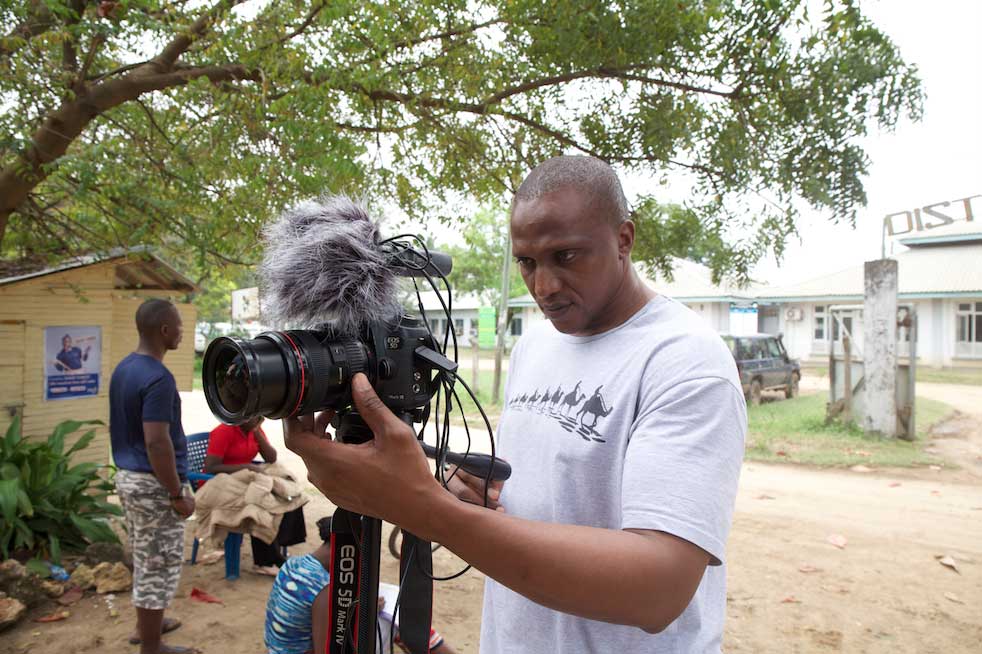
Elisha Thompson
Nyakyusa, Tanzania
Bio
Elisha Thompson is a Tanzanian filmmaker based in East Africa. Since beginning his career, he has focused on producing documentary films for community development, driven by a firm belief in the power of images to create meaningful change. His connection to storytelling deepened through his work with the Hadza community, whom he met while filming a wildlife conservation documentary about the killing of spotted hyenas in Lake Eyasi. During his time there, he learned of the challenges facing the Hadza, particularly the land conflicts arising from outside intruders—primarily livestock keepers—moving onto their territory. As a community that neither keeps livestock nor farms, the Hadza depend entirely on the land’s natural resources, leaving them increasingly vulnerable. Moved by the situation, Elisha chose to amplify Hadza’s voice at A Day on Earth, advocating for their land to be legally recognized in order to prevent further conflict with intruders.
@elitson
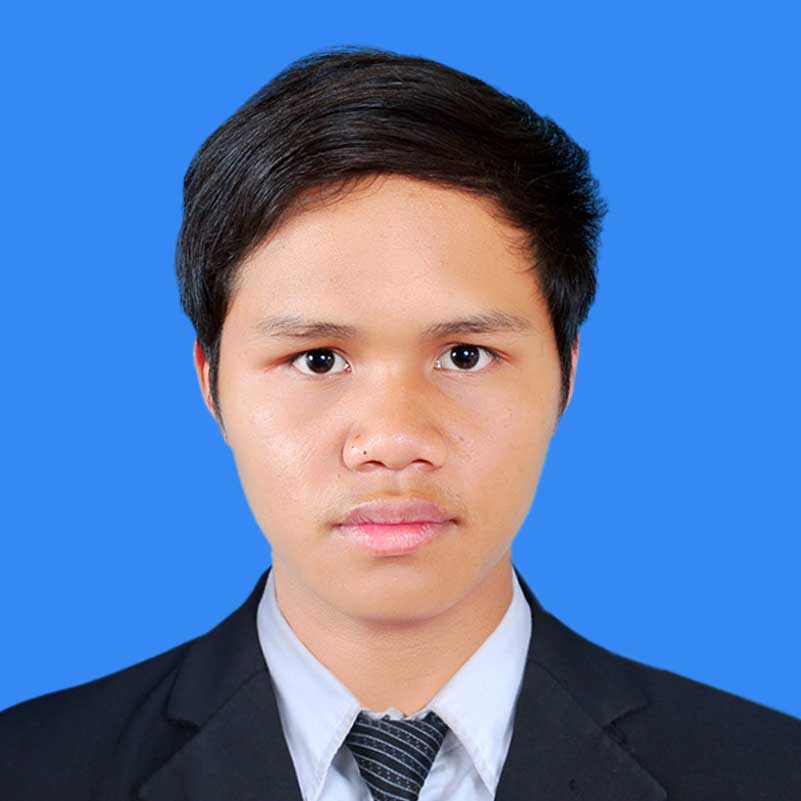
Choeun Van
Kreung, Cambodia
Bio
Choeun Van is a member of the Kreung people. Hailing from a small indigenous village in Ratanakiri, Cambodia, he has always been enthusiastic about sharing indigenous culture and issues with the world. In 2021, together with two friends—one Kreung and one Tumpoun—he formed a team called Eisan Media (Northeastern Media) to amplify his own voice alongside those of indigenous communities across Cambodia through social media, creating documentaries showcasing indigenous cultures and traditions in their spare time with the optimistic belief that they can play a role in preserving vanishing cultures and saving traditions on the brink of disappearance. Based in Ratanakiri, a province in northeastern Cambodia where the majority of indigenous people reside, his team participated in a micro-grant program to document the lost culture and traditional knowledge of the Kreung people near Virakchey National Park, working to promote and raise awareness of the culture, biodiversity, and Mother Nature that have always been significant to their community and future generations.
@eisan_media
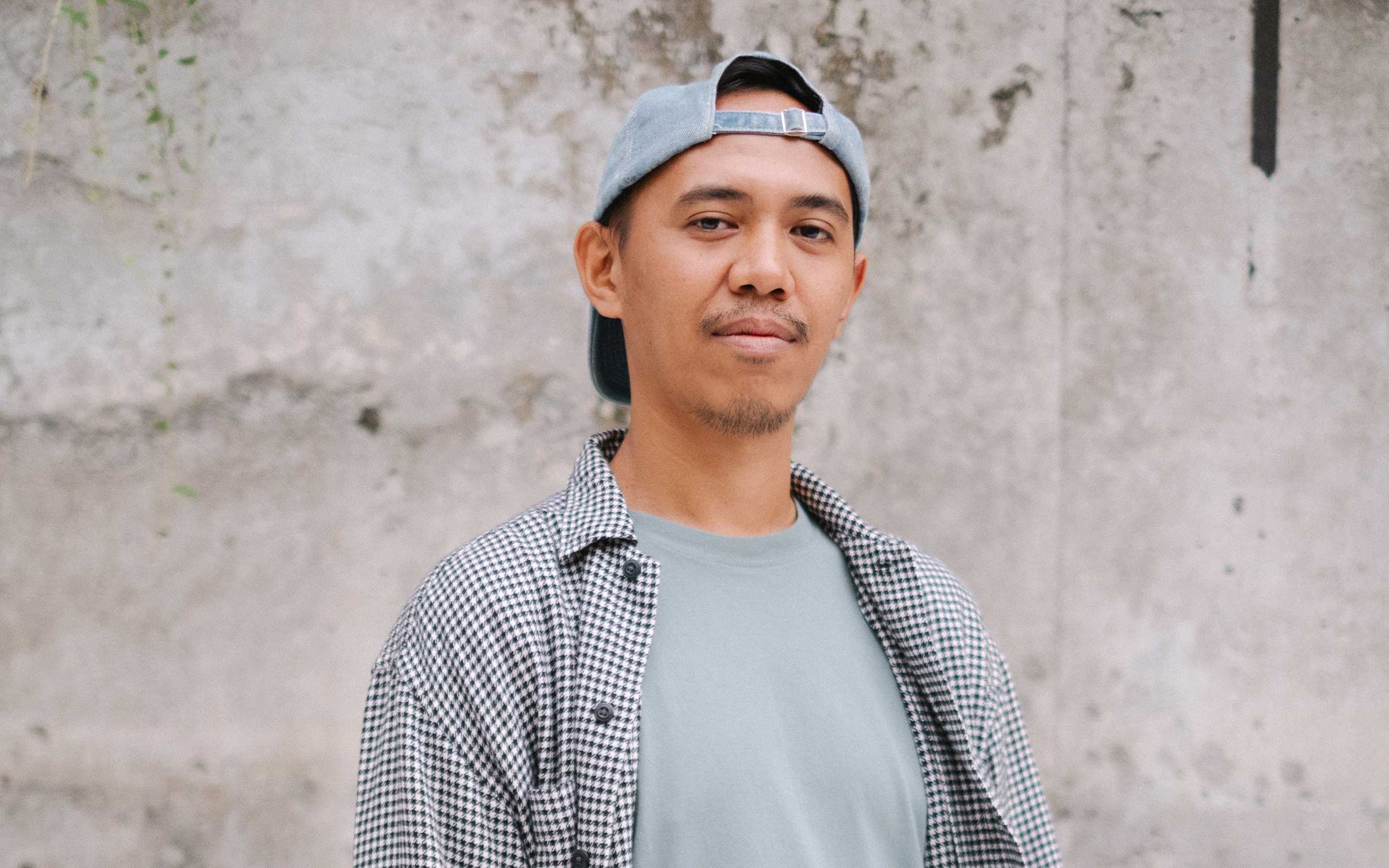
Jatiswara Mahardika
Suku Sasak, Indonesia
Bio
Jatiswara Mahardika is a 34-year-old Indonesian national and an indigenous member of the Sasak tribe from Lombok Island, Indonesia, where he grew up in a strong cultural community. He began filming documentaries in 2016, a calling that emerged after witnessing a fishing village confront the destructive practices of bombing, coral mining, and using potassium; realizing that such temporary methods would endanger their grandchildren’s future, the community returned to the roots of their culture—honoring the sea as the source of their livelihood and allowing it the rest needed to renew itself. Today, Jatiswara remains active in telling cultural stories through film across his island.
@jatiswaramahardika
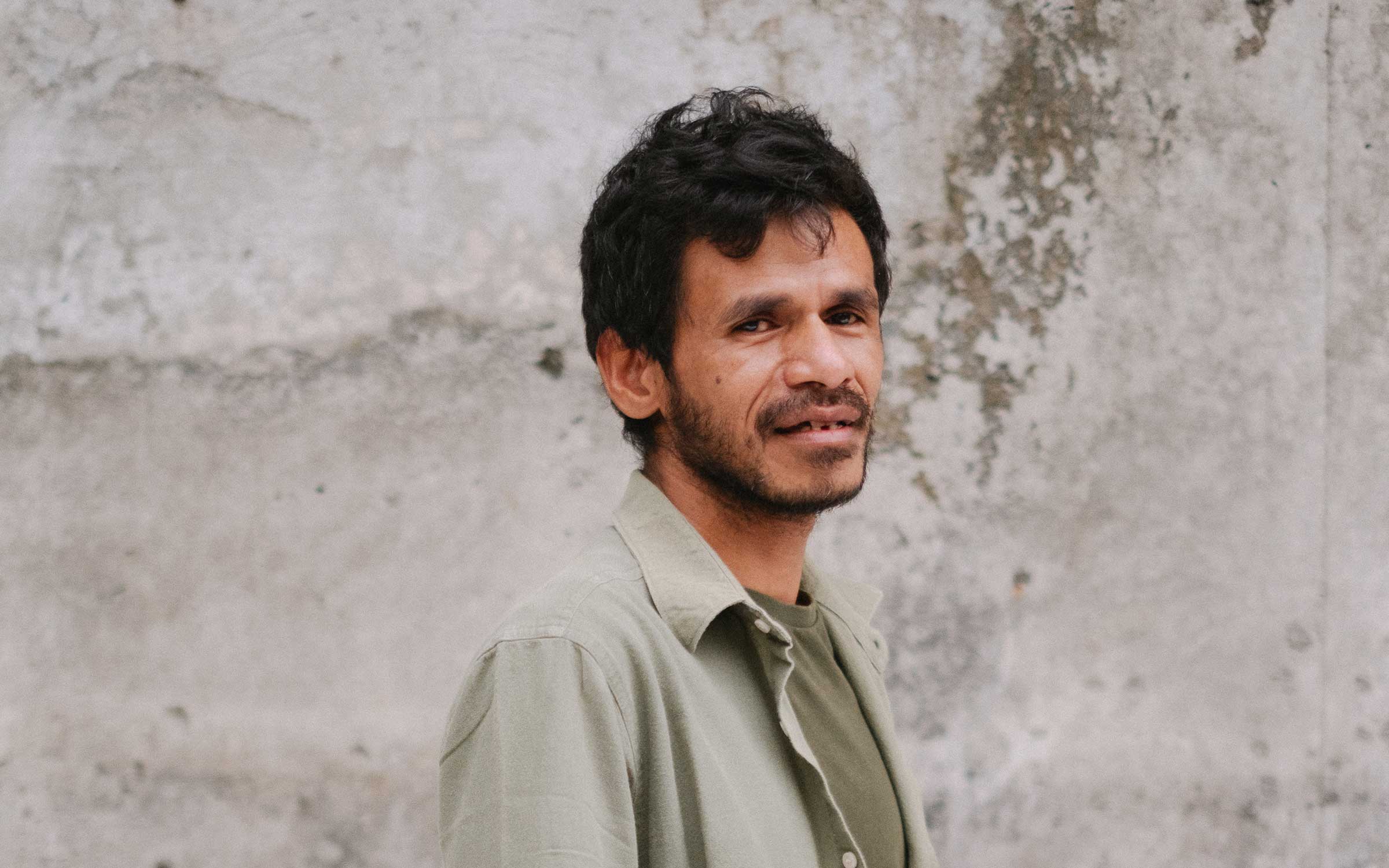
Yosef Levi
Krowe, Indonesia
Bio
Yosef Levi hails from Maumere, Flores, where his ancestors once lived north of Mount Gai before being relocated to villages during the Dutch colonial era for the purposes of education and the spread of the Catholic faith. After the relocation, his grandparents returned to living in a house on the garden land for economic reasons, and since childhood Yosef often visited the garden, staying overnight at his grandfather’s house where he would listen to the sounds of birds and learn about the symbols of nature from his elders, grandmother, and aunts. Following high school, he left home to continue his education in Jayapura, Papua, spending over a decade there and meeting indigenous people from various tribes, from whom he learned about the forest as the mother of life for humanity and why indigenous Papuans fight to defend their forests from large corporations such as palm oil companies. Now returned to Maumere, Yosef frequently goes to the garden to tend to the land while making documentaries about local stories, including one project featuring his father and aunt.
@yosep.levi
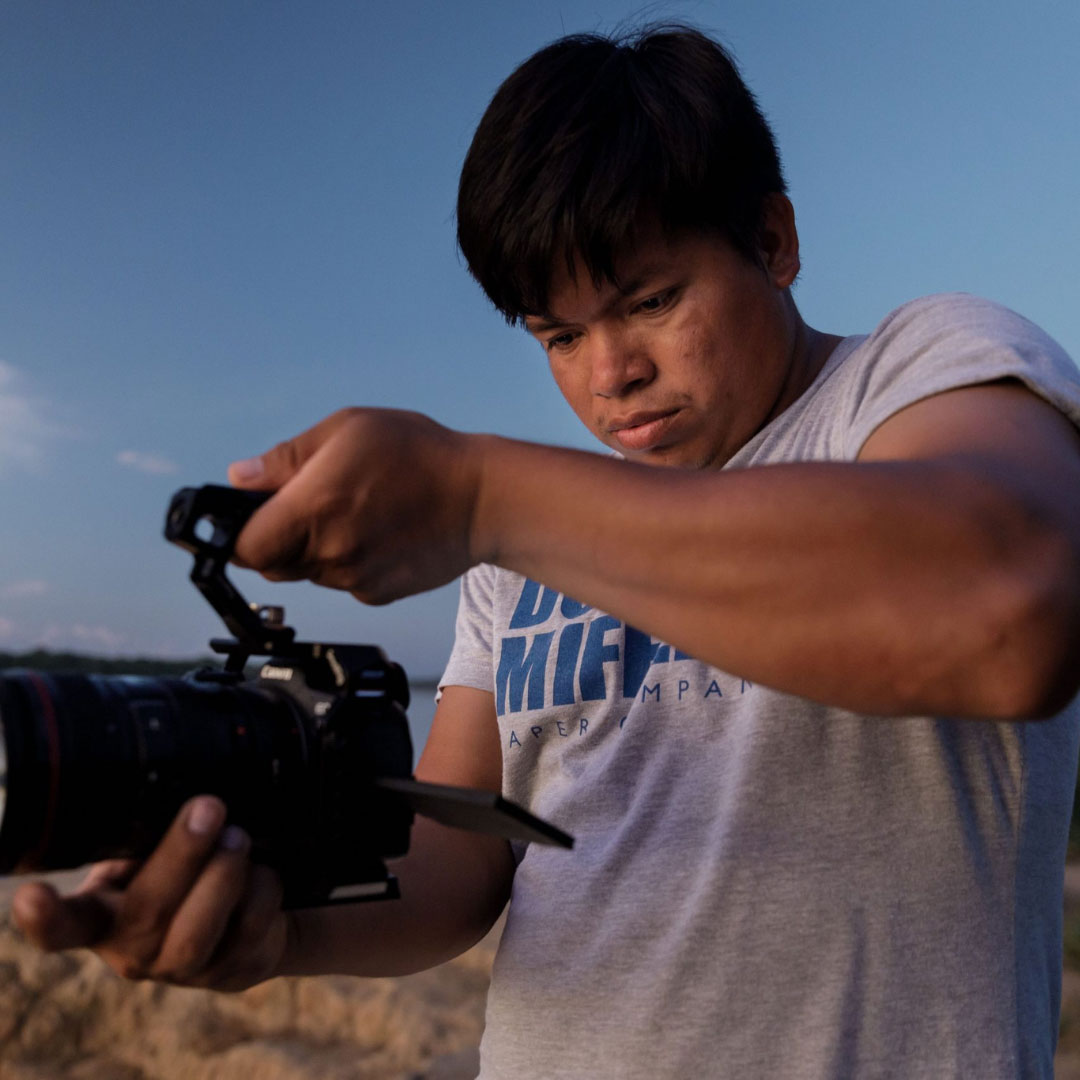
Peregrino Gonzalo Chaeta
Ese Eja, Peru
Bio
Peregrino Gonzalo Shanocua Cha is an Indigenous storyteller from the Ese Eja People in the Madre de Dios region of Peru. For the past two years, he has trained as an Indigenous communicator, developing a passion for photography and filmmaking. In 2021, he created a short documentary about his community’s experience with illegal mining, which led to an invitation to present his work at the Jackson Wild Summit.
@peregrinogonzaloshanocua
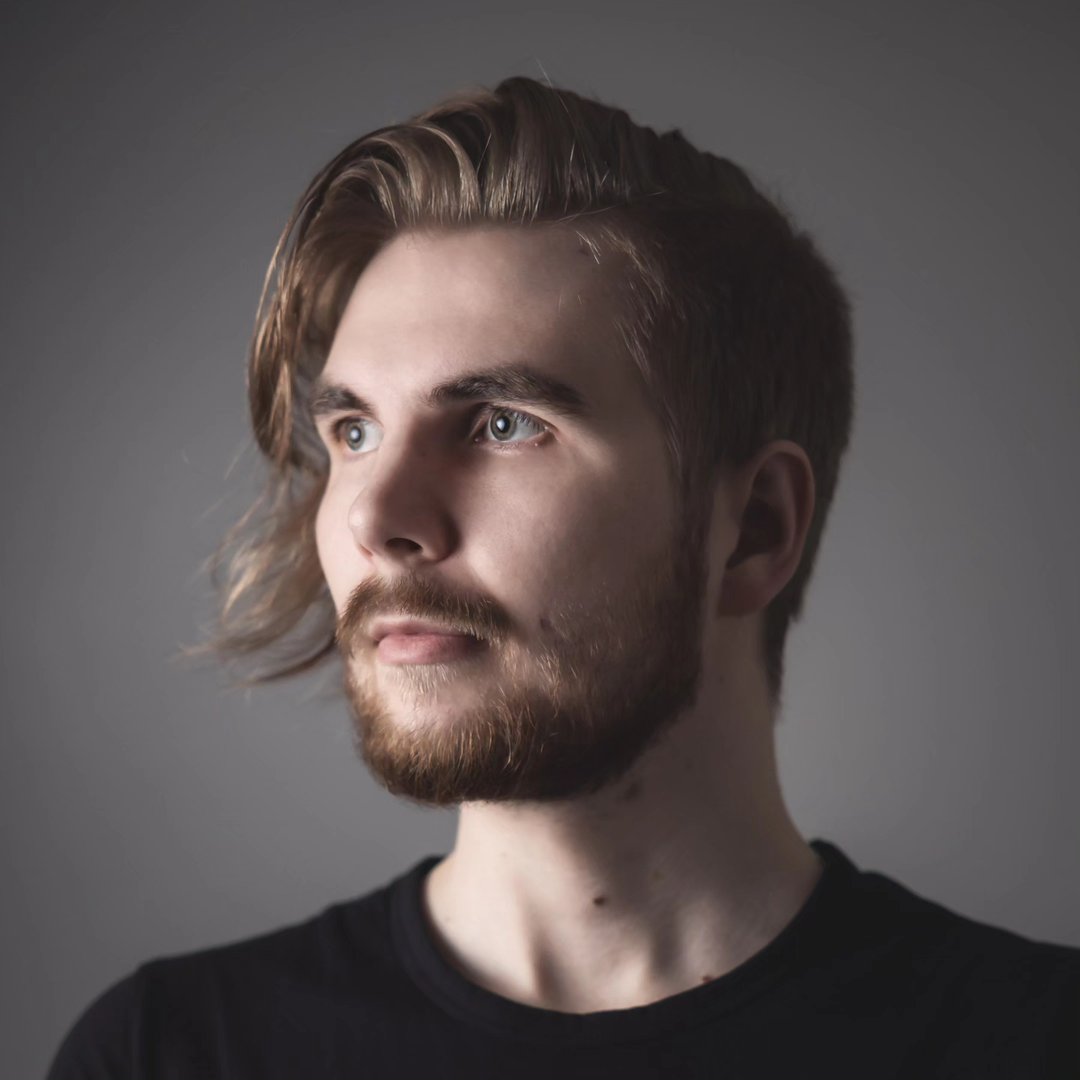
Ville Fofonoff
Sami, Finland
Bio
Ville Fofonoff is a Sámi photographer from the magnificent wilderness of Inari, at the heart of Sámi culture. Highly open-minded and rarely one to turn down a challenge, he approaches every project with enthusiasm and creativity, ensuring that every picture tells a story—whether capturing a special event, preserving cherished memories, or showcasing the beauty of Lapland. His portfolio spans several genres of photography, and over the years he has had the privilege of working with clients of all ages and backgrounds, as well as with animals. Based in Upper Lapland, particularly the Inari and Utsjoki areas, Ville is always eager to discover new places and adventures across Finland.
@villeffff
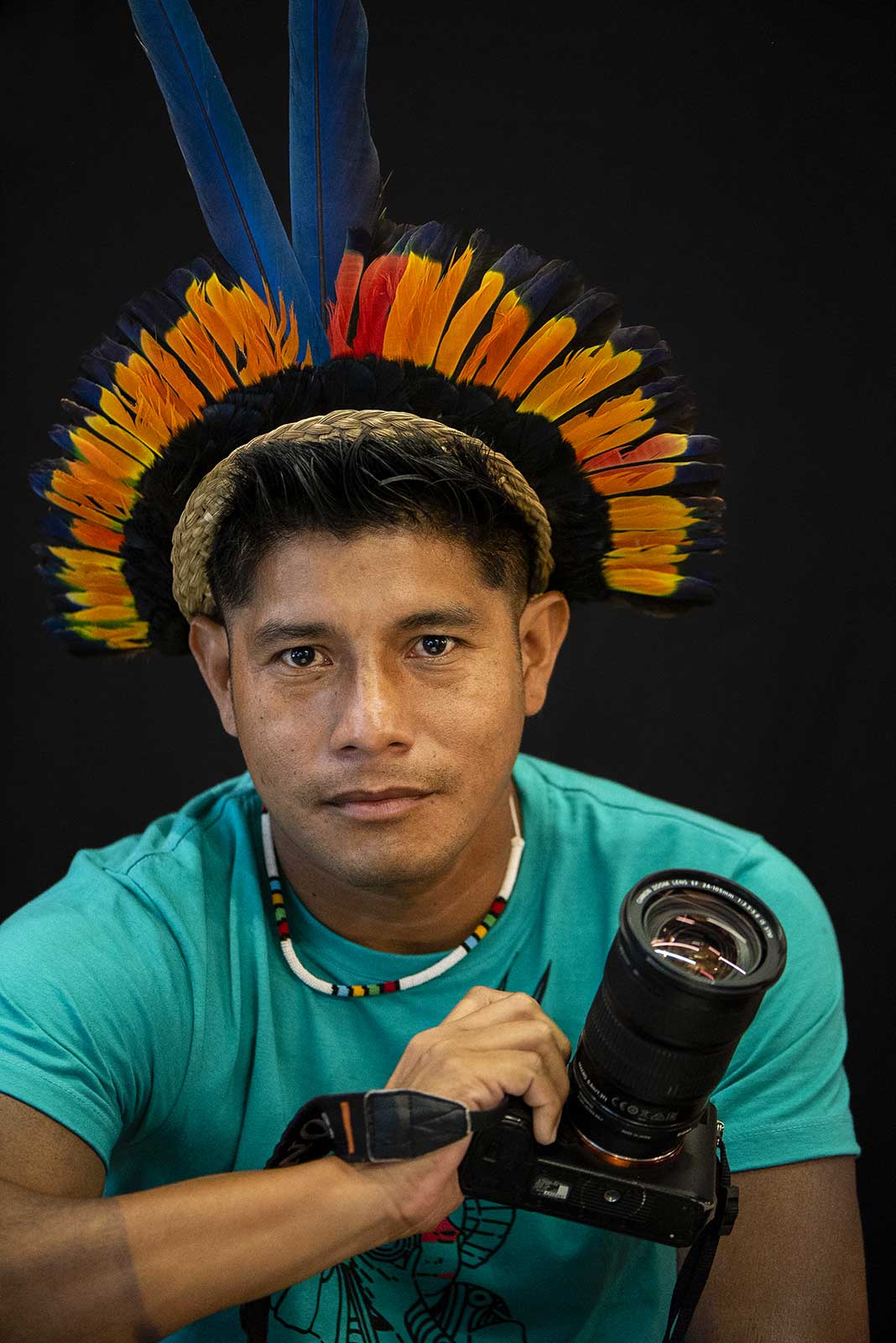
Renan Kokoyamaratxi Suyá
Khisêdjê, Brazil
Bio
Kokoyamaratxi Renan Suya (also known as Renan Khisetje) is an indigenous filmmaker, director, photographer, and communicator from the Khisetje people, residing in the Khikatxhi village, Wawi Indigenous Land in Mato Grosso, Brazil. In 2008, he took part in the audiovisual workshop held by Vídeo nas Aldeias in partnership with the Khisetje Indigenous Association (AIK). In 2021, he completed the communication course Guerreir@s Digitais, promoted by indigenous organizations from three states of the Brazilian Amazon. Between 2021 and 2024, he participated in the Professional Development Program for Emerging Filmmakers, and in 2023 he took part in Indigenous Imaginarium, a workshop with artists, directors, and producers from Hollywood in Los Angeles. That same year, he received an Honorable Mention from the official jury for his short film Corrida de Tora at the 8th edition of Cine Kurumin in 2021. Currently serving as one of the Coordinators at AIK Produções and as a member of Mídia Indígena, a network of communicators within the Xingu+ network, Renan views his camera as a tool of resistance, through which he carries the voices of indigenous leaders to the world.
@renankhisetje
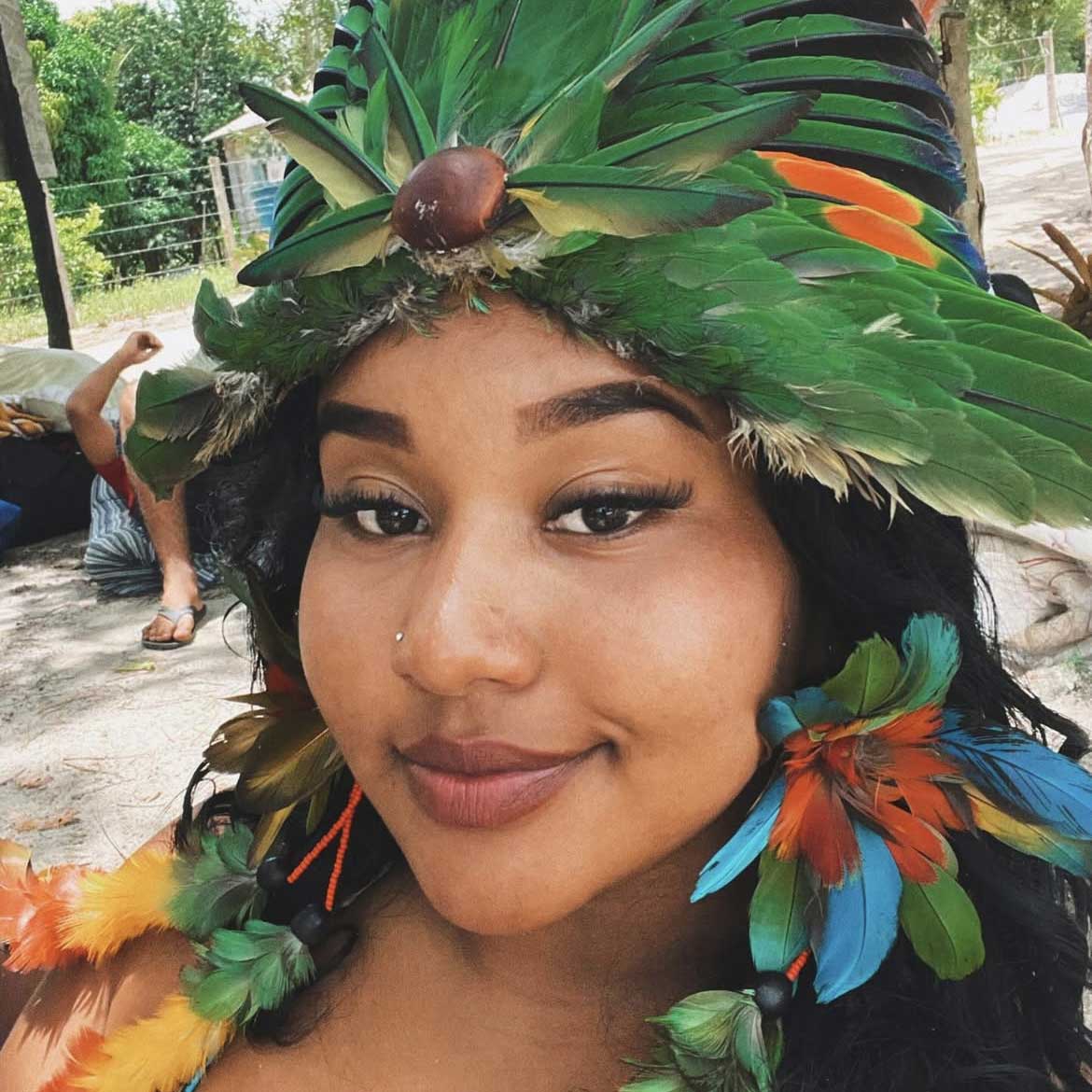
Shayres Ferreira
Pataxó, Brazil
Bio
Shayres Pataxó is a 21-year-old Pataxó woman and a university student at Federal University of the Sourth of Bahia (UFSB), where she is pursuing a degree in Language and Its Technologies. In addition to her studies, she teaches seven subjects at the Coroa Vermelha Indigenous School (CEICV) and is the mother of Inaê and Akin. She is a communicator with Sarã Pataxó, a collective of young Pataxó women, and is also a member of ANAI (Indigenist Action Association) and UJS (Union of Socialist Youth). Guided by the strength of her ancestors, she lives in Coroa Vermelha village, where her essence is strengthened by the land, the sea, and the memory of her people. She carries within her the sacredness of being a daughter, granddaughter, and mother—a living continuation of a history that resists and flourishes. Shayres walks with faith, courage, and love, honoring her roots and building a prosperous future for her family.
@eita_sereiaa
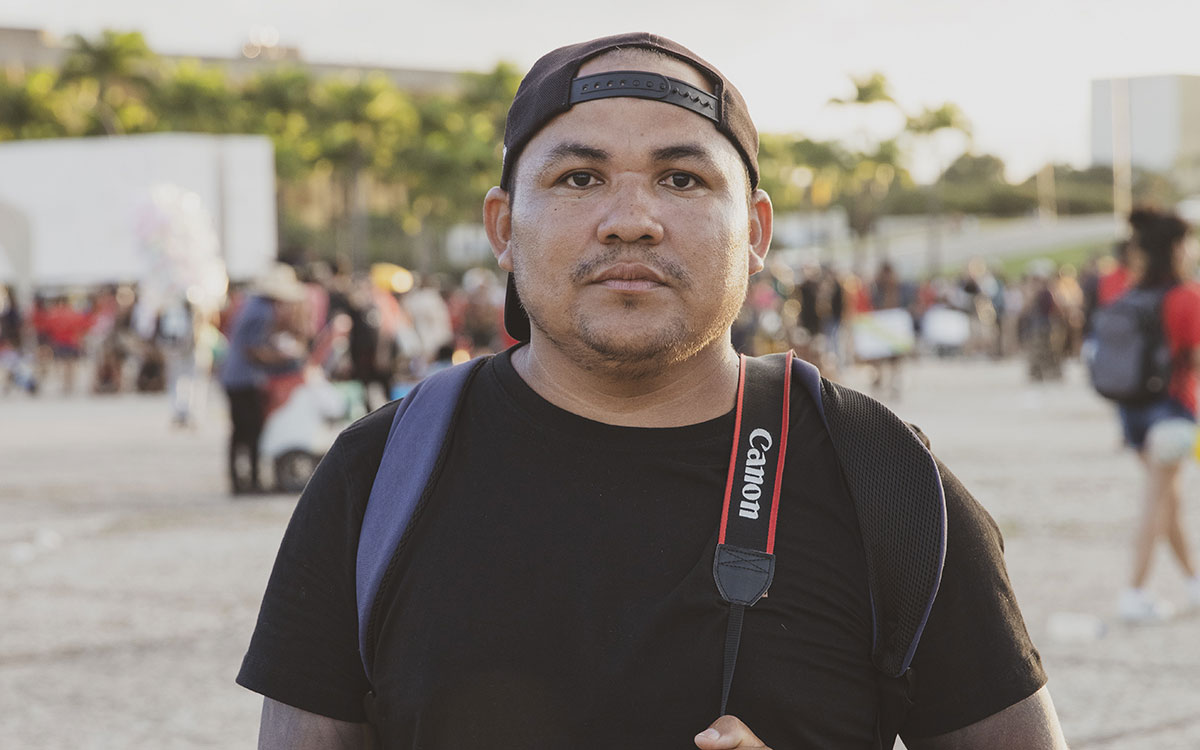
Genilson Guajajara
Guajajara, Brazil
Bio
Genilson Guajajara is from the Rio Pindaré Indigenous Territory in Maranhão, Brazil. He belongs to the Guajajara people, from the small and proud village of Piçarra Preta. A thoughtful and emotive storyteller, he expresses the stories of his community through photography. His work explores themes related to community, ancestral wisdom, indigenous cosmology, ritual, and ceremony. Genilson uses photography as a tool, allowing him the opportunity to carefully communicate the stories of his people in a truthful and considered manner. His people’s resistance is inextricably intertwined with the vital territories and biomes they strive to protect. In 2021, he was nominated for the PIPA Prize, a prestigious Brazilian arts award.
@genilsonguajajara
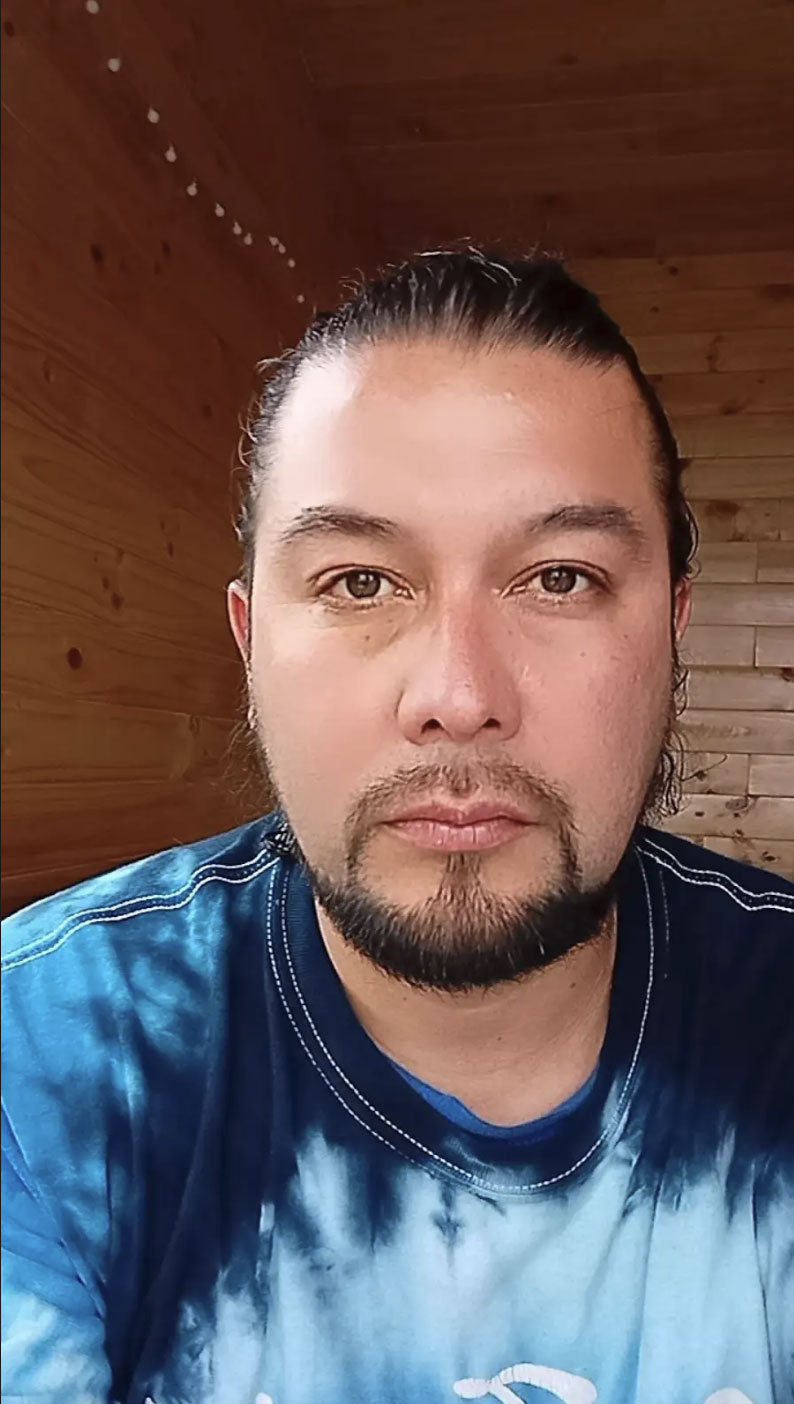
Juan Catín
Mapuche, Chile
Bio
Juan Catín Cheuqueman is a guardian of the land and sea, a proud member of the Mapuche-Williche people, and president of the Indigenous Community of Buill in Chile. Rooted in ancestral wisdom and a deep connection to nature, his trajectory began within the community organization before being elected president, dedicating himself to recovering, maintaining, and preserving his people’s customs and traditions. Compelled by the threat of large industry encroaching on their waters, he took on the responsibility of advancing an ECMPO process to safeguard the sea. Through leadership and community platforms, Juan fights to keep the sea free, clean, and alive so that future generations may inherit a world as abundant as the one his ancestors knew, guided by a vision of sustainability and the defense of the ecosystems that sustain Mapuche-Williche life.
@jean_catin
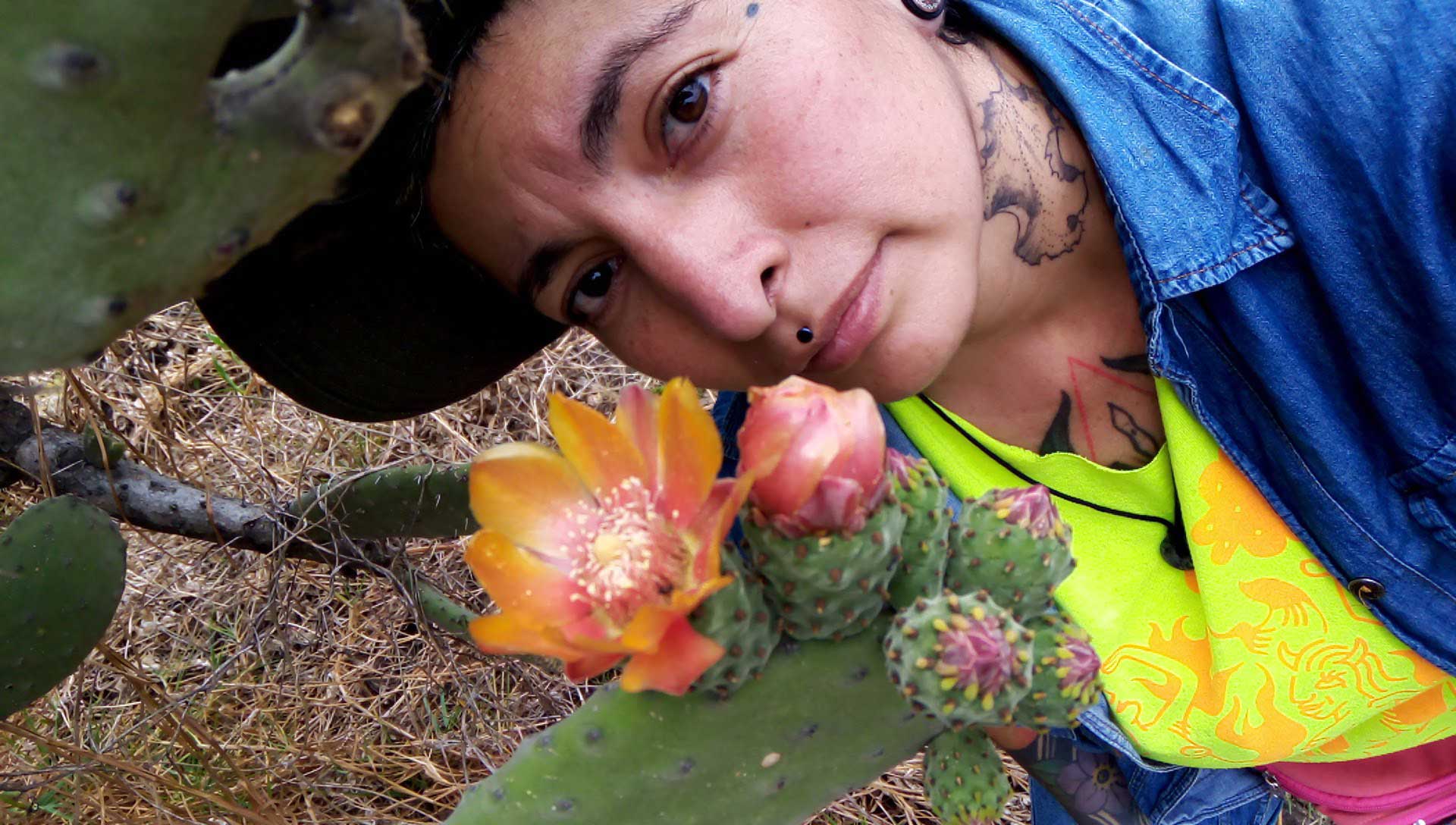
Nad MA
Culhuacan, Mexico
Bio
Nad MA is a multidisciplinary artist and cultural manager from Mexico City, originating from Culhuacán, CDMX. Their work explores the connections between audiovisual production, art, corporealities, and the configuration of space and territory. For over eight years, they have dedicated themselves to building connections and managing community projects, ranging from workshops, gatherings, and festivals focused on themes of social relevance such as cultural rights, sexual diversity, territorial defense, preservation and exchange of community knowledge, the environment, and collective care. Their practice is framed within art as well as activism, and they are part of various collectives that resist within the rural-urban context.
@artetransmutante_
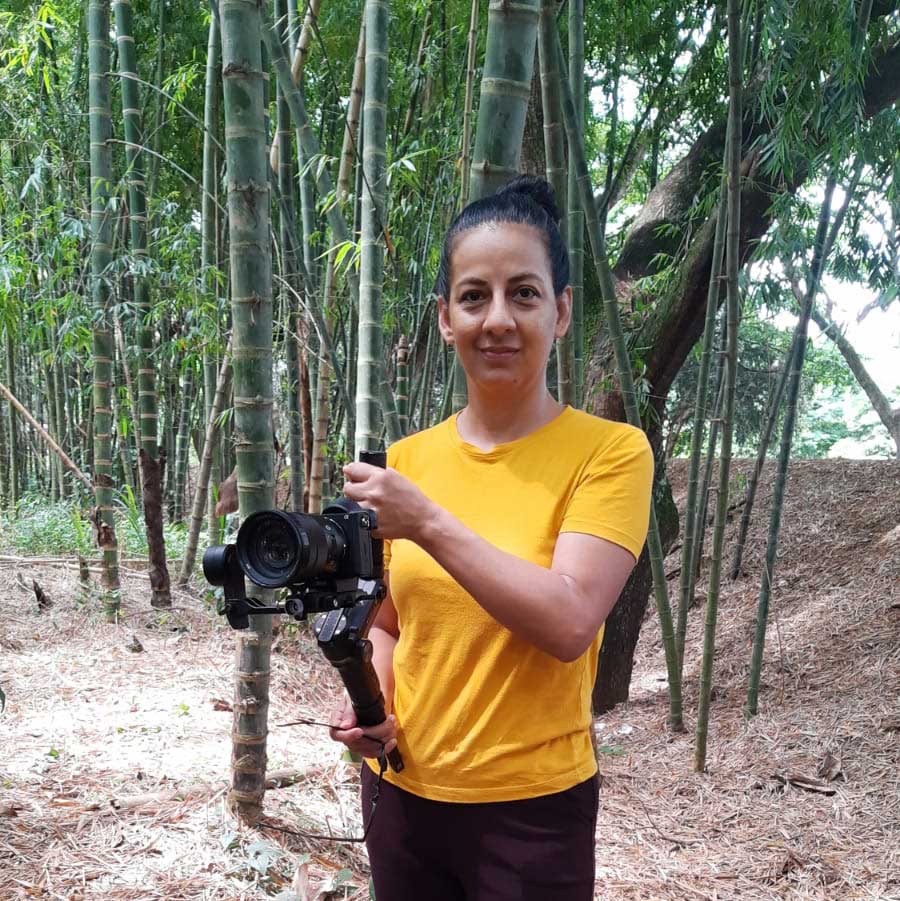
Deisy Muñoz
Local Community, Colombia
Bio
Deisy Rocío Muñoz Vásquez is a filmmaker and producer born in Argelia, Cauca, a land of contrasts marked by natural beauty and social conflict. Raised in Cali, she has spent 18 years dedicated to storytelling through the camera, believing that audiovisual art is a powerful tool to make realities visible, promote culture, and sow hope in forgotten territories. As a camera operator, photographer, and cultural manager, Deisy has taught children, youth, and adults how filmmaking can be a vehicle for expression and transformation, accompanying community-led processes in vulnerable contexts. She is the founder of the production company Audiovisuales Mundo Records, created alongside her husband José Salazar, opening doors for others to tell their own stories and dream of a different future. Currently completing her undergraduate degree in Direction and Production of Audiovisual Media, Deisy continues to work from Cali and her region Cauca, driven by a deep conviction that audiovisual art builds peace, dignity, and social change — one image at a time.
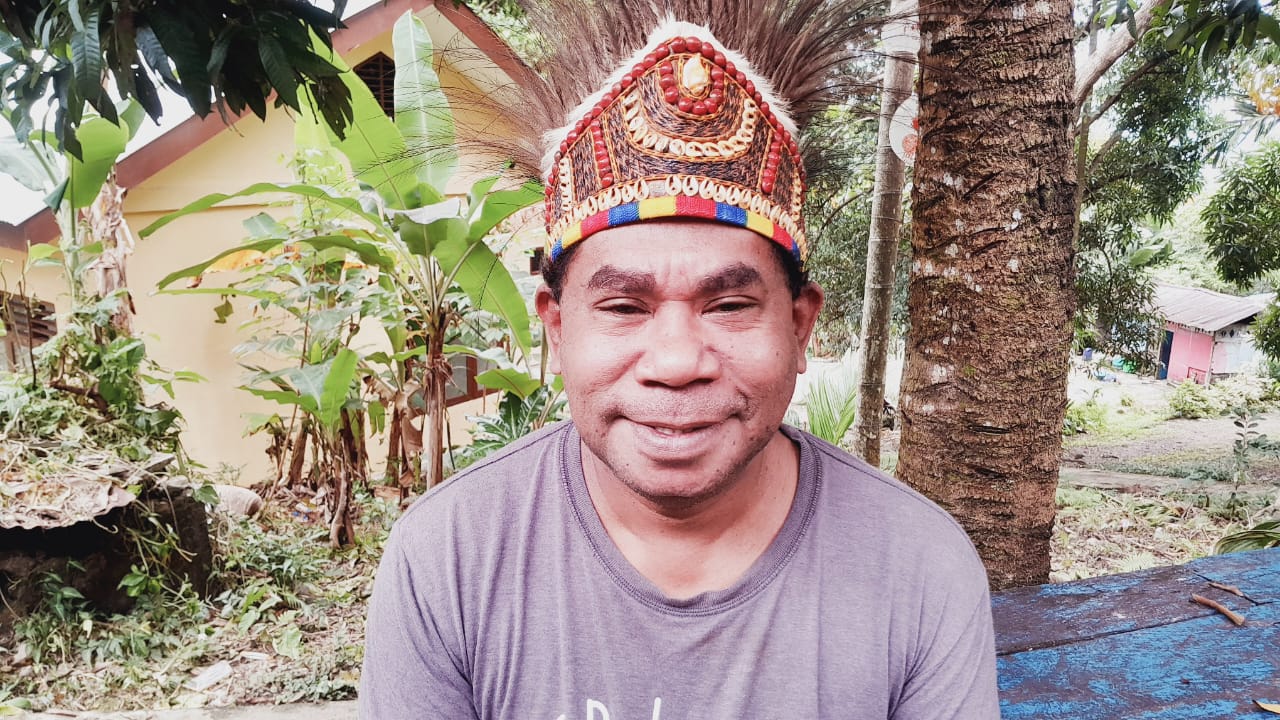
Reki Remos Sineri (Datus Sineri)
Suku Mbaham-Matta, Indonesia
Bio
Reki Remos Sineri lives among a family of farmers from the Mbaham-Matta tribe, where preserving ancestral values and cultural traditions has been a deep source of inspiration. In 2009, together with several women from her tribe, she co-founded the KELOMANG Community in Fakfak Regency, which focuses on cultural preservation and established a dance studio dedicated to safeguarding traditional Mbaham-Matta dances. Reki has also produced several films with Pondok Baca Brongkendik, including Henggi (2018), Kavbary (2020), and Marhawa (2023), and is an active member of Papuan Voices in the Fakfak region. She is motivated by a deep commitment to ensuring that the cultural values of the Mbaham-Matta tribe remain intact and can be passed down to future generations. Reki firmly believes that a just Tanah Papua can only be achieved if grassroots women and civil society are empowered, educated, and organized — gaining the bargaining power to oversee what happens in their communities. The ability to analyze problems down to their roots, the willingness to act and think ahead, a sense of solidarity and self-organization, and practical skills adapted to changing times are all essential capacities that women and grassroots civil society must master.
@waldinepra
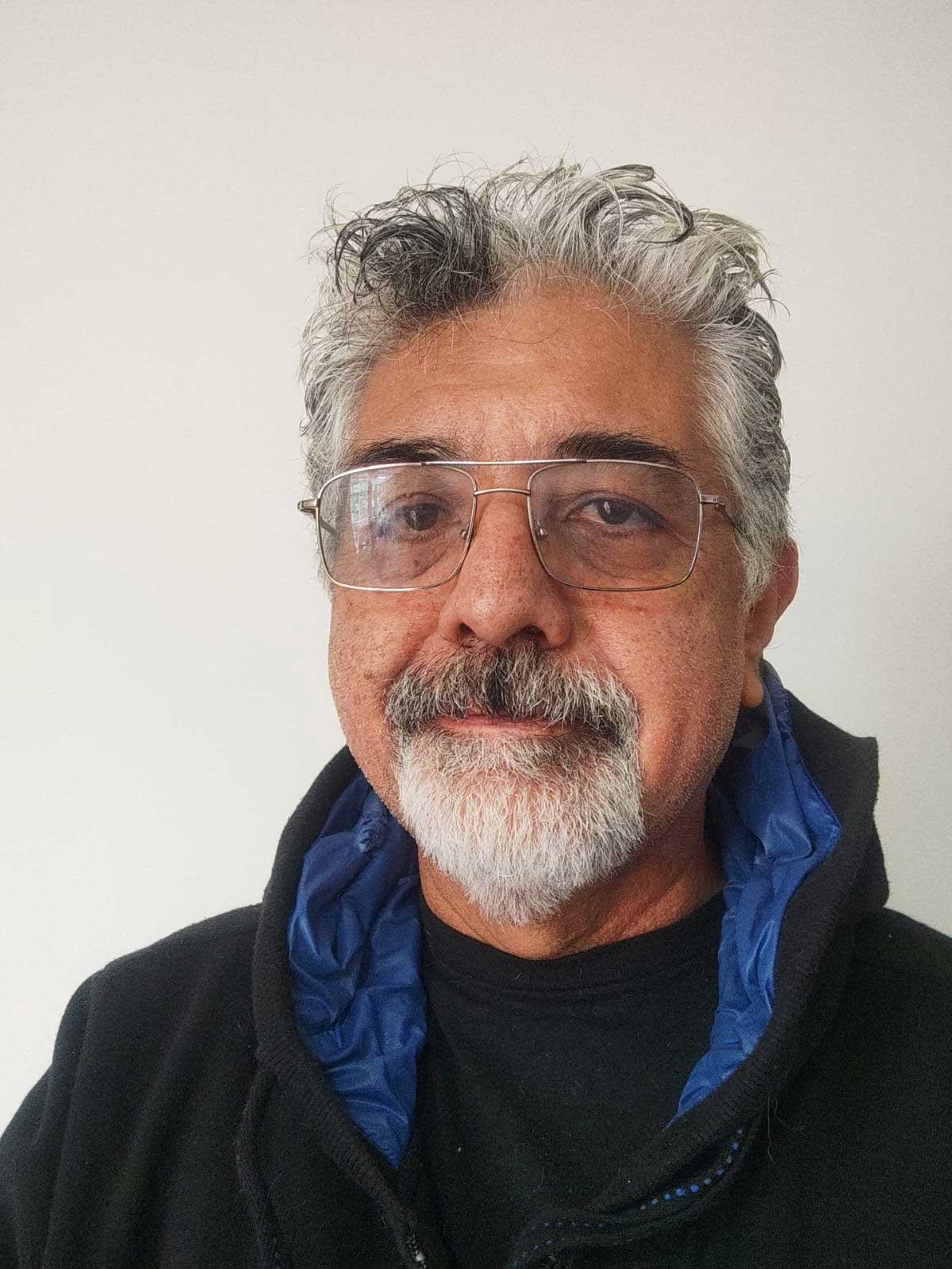
Gonzalo González
Local Community – Corregimiento Guachinte Rural, Jamundí, Colombia
Bio
Gonzalo González is a visual artist, graduate in Visual Arts, holds a Master’s degree in Education through Art, and is a filmmaker and producer from the International Film and Television School (EICTV). As a member of the Descarrilados collective, his work has been based on artistic collaboration and interaction with diverse communities. For over twenty years, he has lived as a researcher, artist, and visual arts teacher, and within the collective he has been primarily responsible for producing documentary chronicles of the projects carried out. He is committed to working horizontally, in collaboration with farming communities of different ages, addressing their environment, knowledge, and trades through artistic proposals.
@rosadocrema
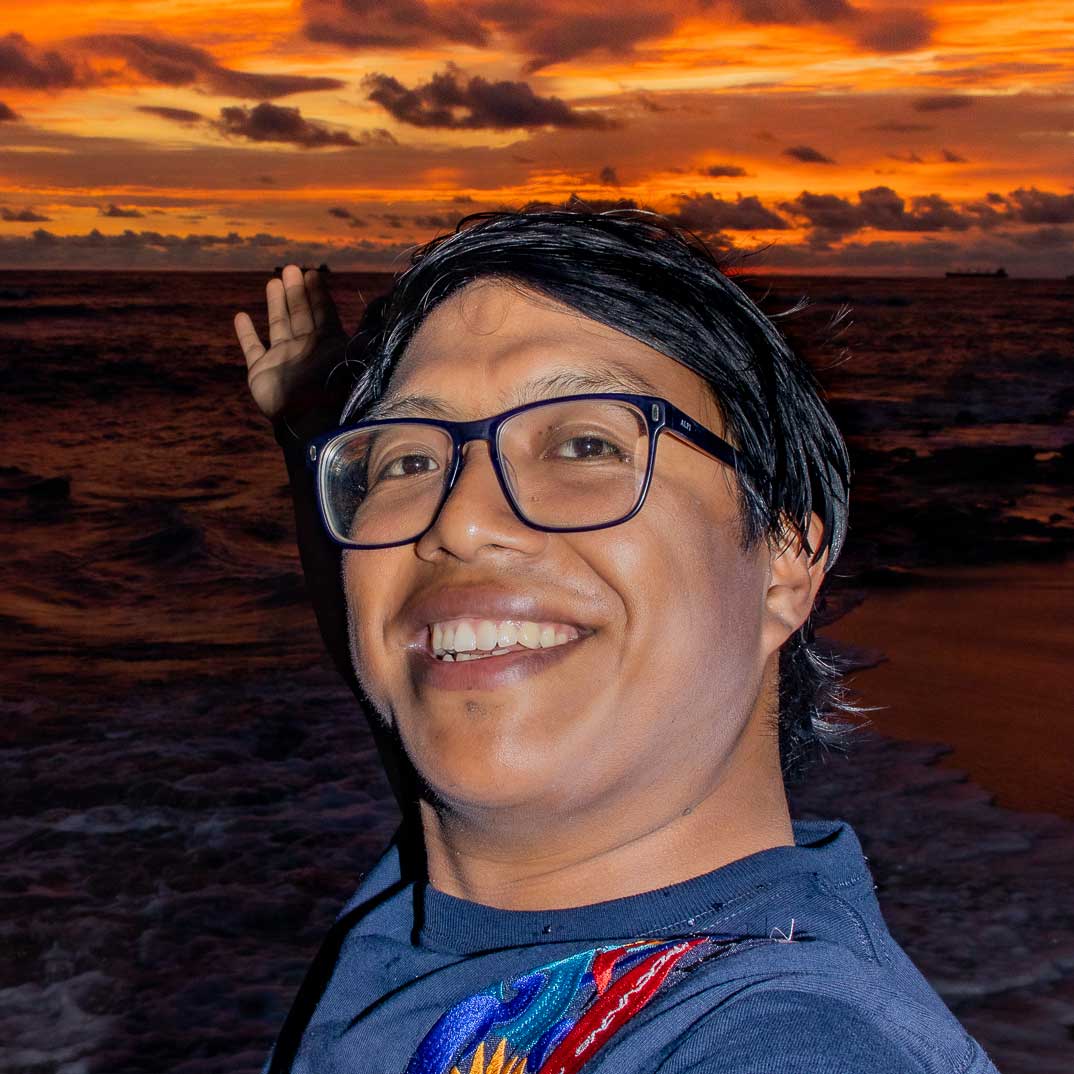
Maynor Ixcoy
Maya, Guatemala
Bio
Maynor Ixcoy from Guatemala is passionate about aerial photography and videography, focusing on showing the world from above. He loves creating travel content because of his deep appreciation for landscapes and, above all, he seeks to promote the care with these lands, encouraging people to value these destinations and support their sustainability.
@soy.maynorr
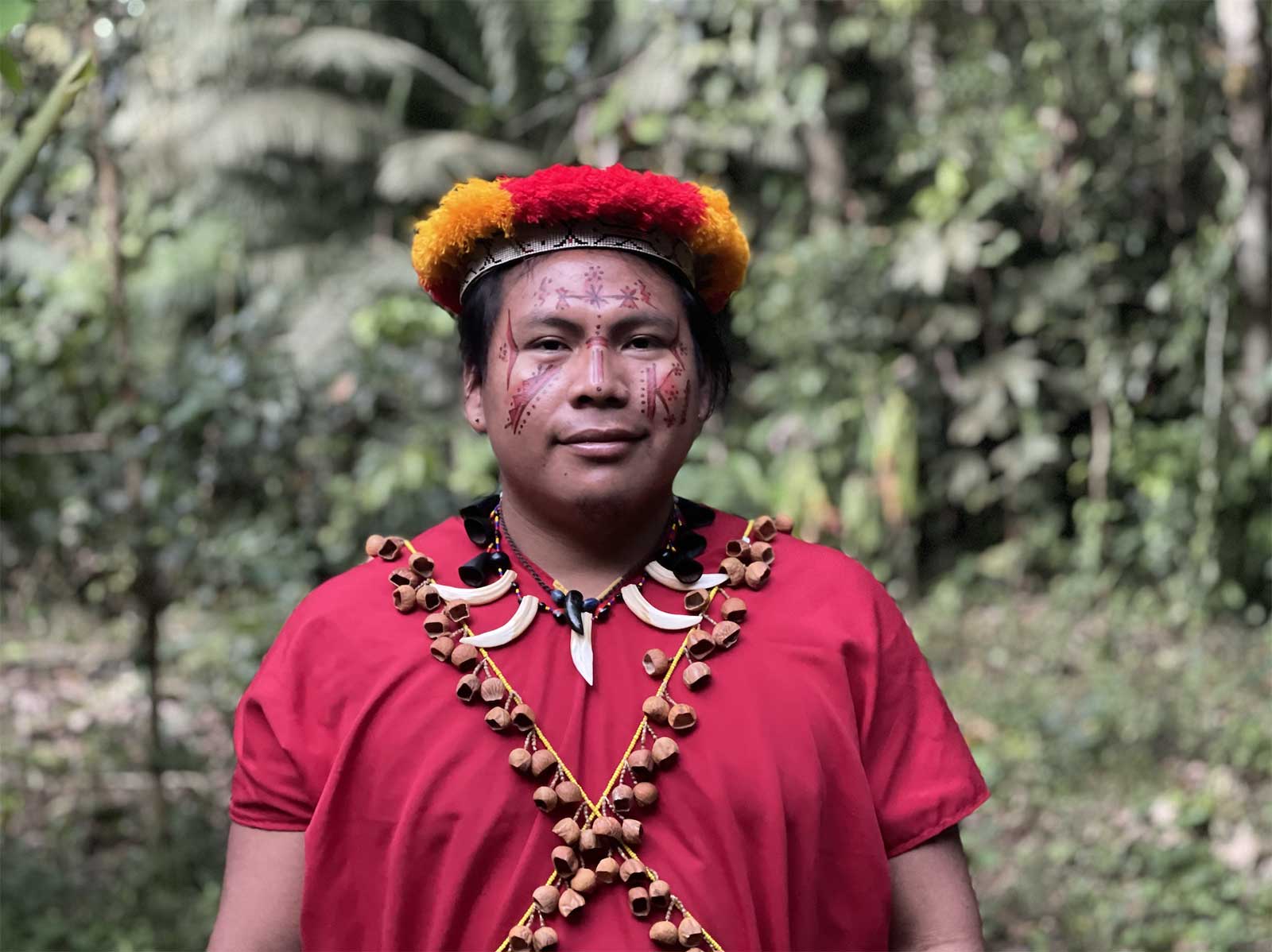
Jimmy Piaguaje
Siekopai, Ecuador
Bio
Jimmy Piaguaje is of Siekopai nationality, which means “the people of many colors.” He comes from the Siekoya Remolino community in the Ecuadorian Amazon and is an audiovisual filmmaker. His work with community cinema in the territory has given him the opportunity to rediscover his ancestral culture and the Siekopai cosmovision. With this interest, he began working in cinema several years ago. During this time, he has made several short documentaries, including the animation Ñakomasira; La Industria del Fuego about forest fires in Bolivia; and Fighting COVID-19 With Ancestral Wisdom in the Amazon, which was published by The New Yorker. His documentaries show the struggle of his people against the problems caused by oil industries and African palm monoculture. These forms of extractivism threaten his people’s territory and way of life, including the contamination of water sources. This is a particularly significant impact for his people, as their way of life depends on the rivers and their connection to water is sacred.
@jum_pia

Brayan Salazar Pelayo
Local Community – Zapatoca Santander / Comunidad Campesina de Santander / Grupo de Reservas Naturales de Zapatoca (RENAZ), Columbia
Bio
Brayan Salazar Pelayo is from Colombia and from a very young age he has lived surrounded by nature. Over time, he has learned to admire and respect it. He dedicates himself to documenting and using his camera as a learning tool, connecting with Indigenous peoples and organizations that lead conservation and environmental education projects within territories that have been damaged by the exploitation of natural resources. Now that he has achieved a certain degree of maturity, he recognizes the value found in communities that fight to preserve the planet and its natural wealth. One of his goals is that, through cinema, he can show this work that few people know about, thereby encouraging many more people to join in and save our home.
@bryanppelayo
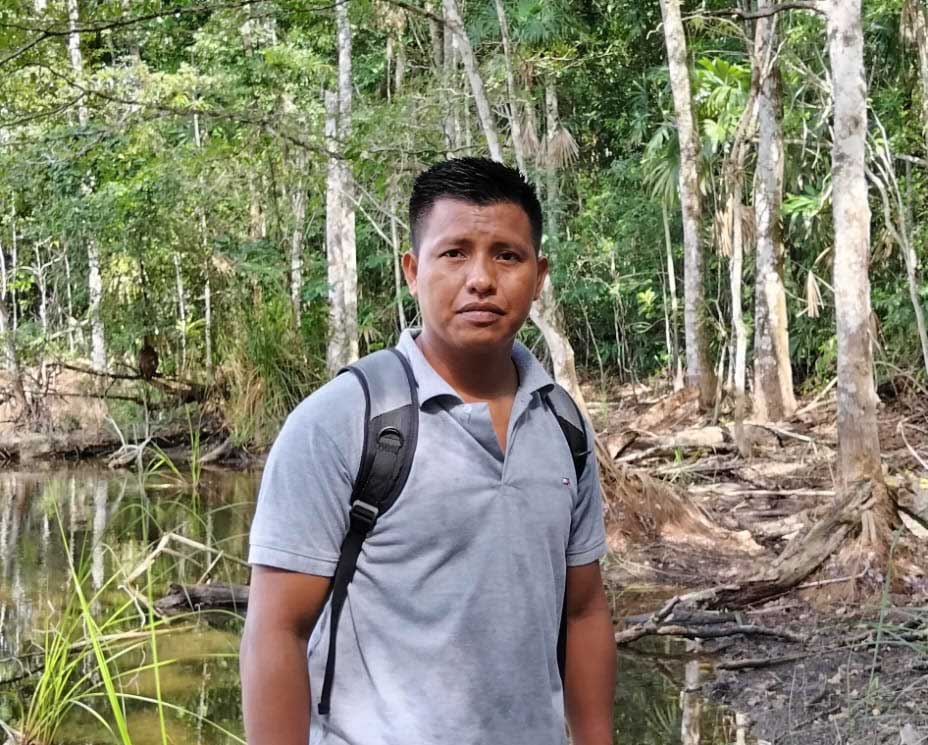
Andrés Bonifacio Bartolo Díaz
Maya, Guatemala
Bio
Andrés Bonifacio Bartolo Díaz is a community communicator and youth leader in the Unión Maya Itzá community, Petén. He promotes cultural identity, care for the territory, and the active participation of young people. As a teacher and audiovisual creator, he uses word and image to tell the stories of his people, strengthening memory, organization, and hope from the community roots.
@bonibartolodiaz
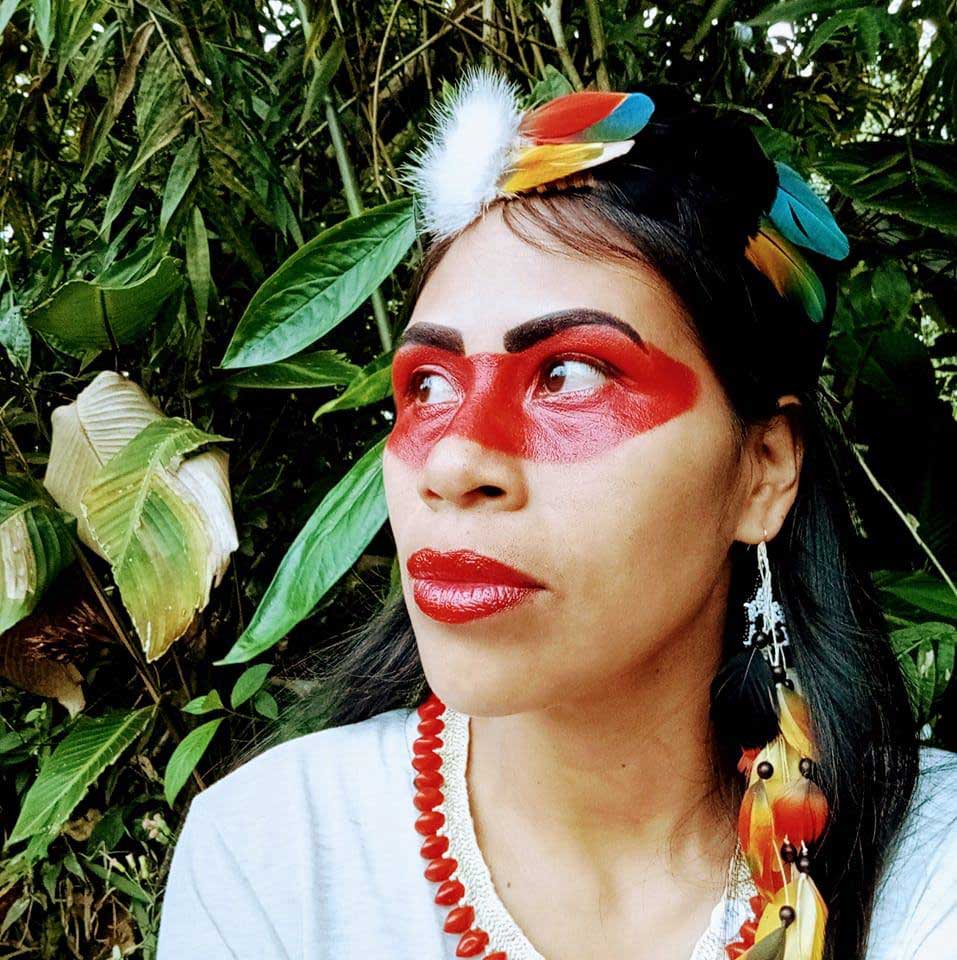
Marcia Enqueri
Waorani, Ecuador
Bio
Marcia Enqueri is a Waorani Yazuni woman, geologist, activist leader, works with her mother language and is part of the Yawe Film Collective, in Ecuadorian Amazon. In her own words, she “live in the virgin forest, loves nature from so deep, breathes pure air and do not want pollution, but wants to live always protecting to save the planet and the universe”.
@marciaenqueri
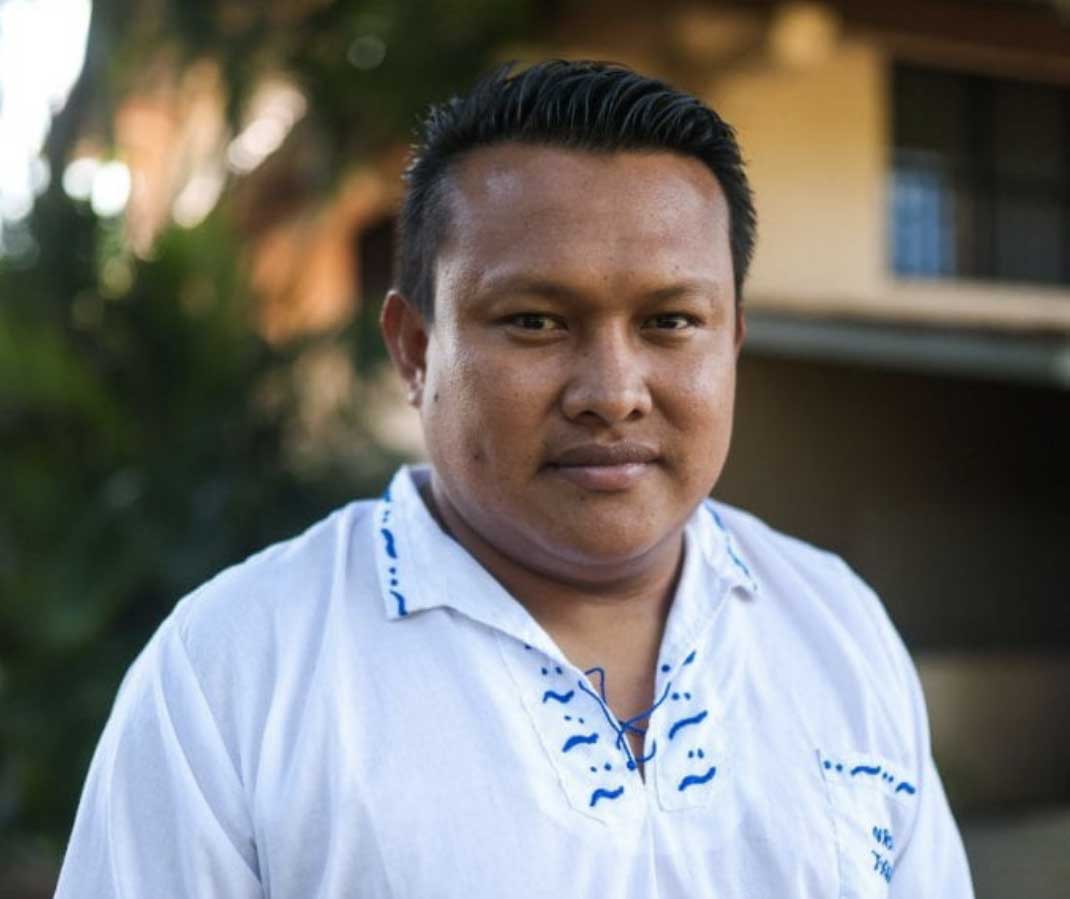
Iniquilipi Chiari
Guna, Panama
Bio
Iniquilipi Chiari (Gunayala, Panama) is a Guna activist, communicator and founder of TV Indigena, an all-indigenous TV network based in Panama founded in 2017 with an unique approach to storytelling, and the impact of technology on indigenous communities. He works to defend Indigenous rights, land stewardship, and the environment, being a key voice in advocacy efforts, often collaborating with organizations and other international leaders to push for direct and sustainable funding for Indigenous-led conservation.
@inichiari
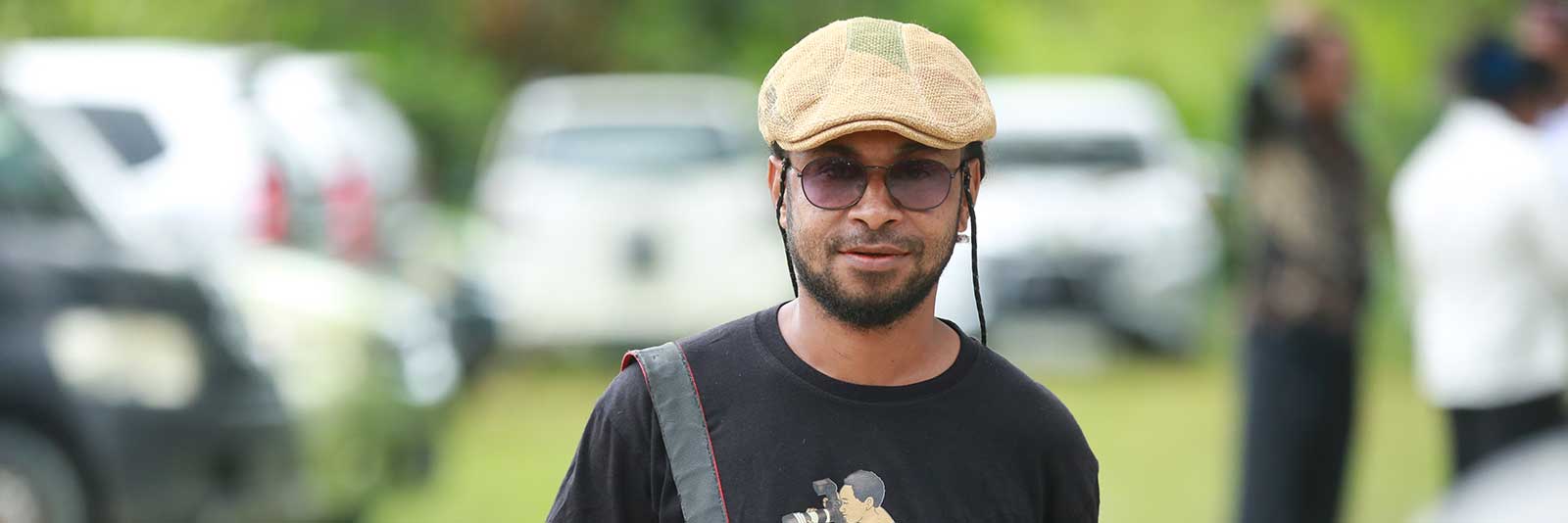
Harun Rumbarar (Kali Keroom)
Suku Byak, Indonesia
Bio
Harun Rumbarar is a media and film activist from Papua. He served as Chairman of Papuan Voices (2022–2024), an association of young Papuan documentary filmmakers, and currently works as a Media Campaign Staff at Yali-Papua. Born in Arso, Keerom, on the border with Papua New Guinea, Harun uses visual and audiovisual media to voice the struggles of his people. His documentary works include Truck Monce (2017, winner of the Papua Film Festival), Justice For Murdered Children (2018), Back to the Ancestral Path (2021), A Feast for the Ancestors (2022), and Wisisi Nit Meke (2023), which was nominated for and won at the Indonesian Film Festival. He has also participated in international festivals such as the Sharjah Film Festival (2023) and an exhibition at the Ljubljana Museum in Slovenia (2023).
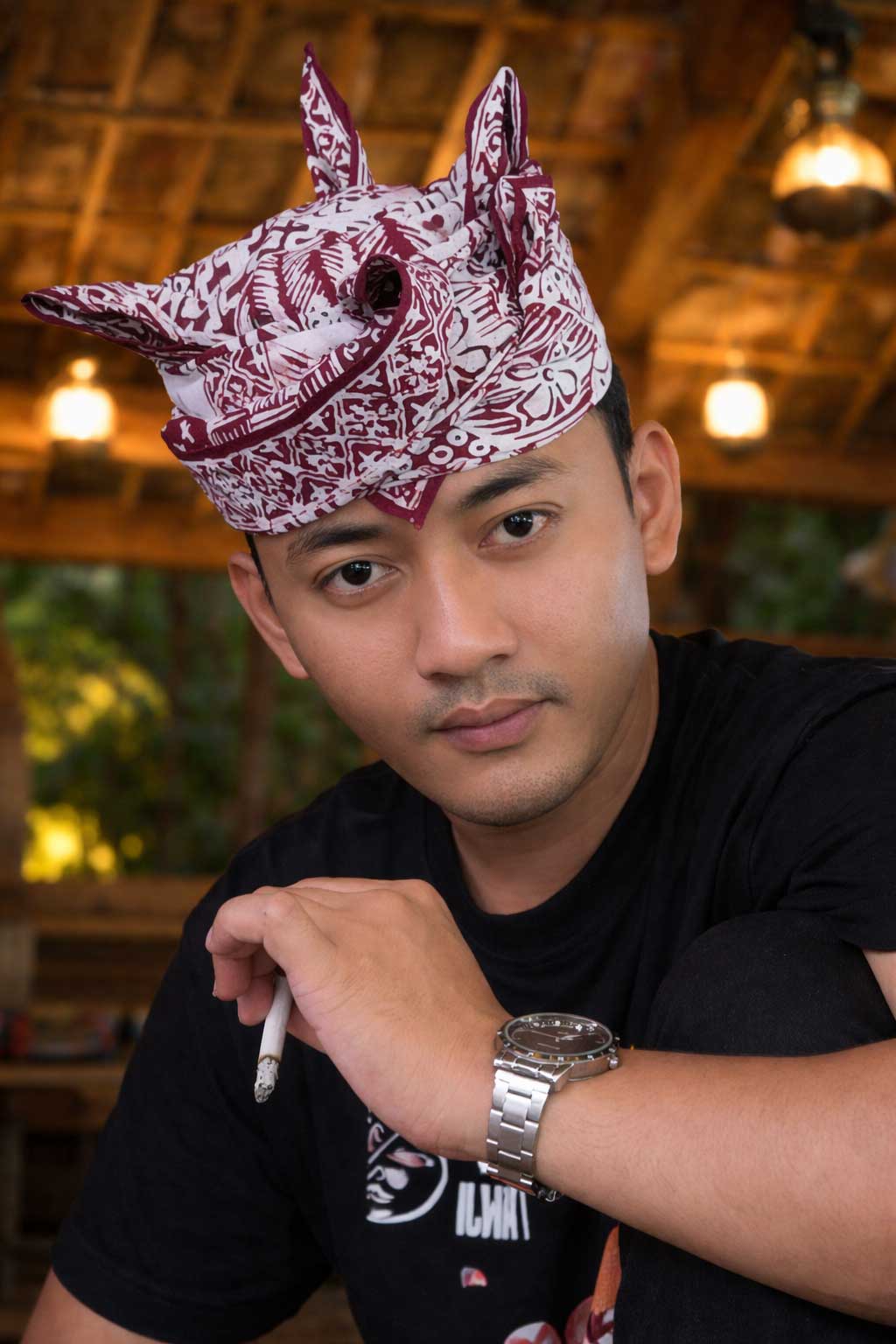
Moh Masruri Fadli Yudistiro
Suku Osing, Indonesia
Bio
Moh. Masruri Fadli Yudistiro, commonly called MF Yudistira, was born in Banyuwangi on March 22, 1995. He is an artist who grew from the roots of Osing traditional culture, working in theater, music, poetry, and visual arts, using art as a way to preserve memory and protect identity. As Head of Information and Communication for Pesinauan – the Osing Indigenous School, he plays a role in conveying, documenting, and bringing cultural values back to life through media and storytelling. For him: if not us, then who?
@mf.yudistira
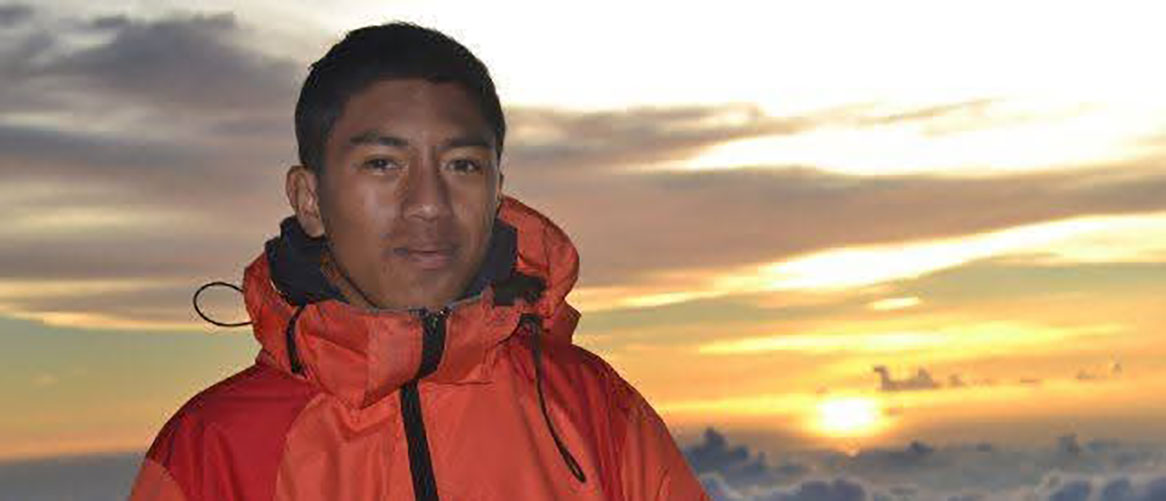
Rudi
Makassar, Indonesia
Bio
Rudi is an Indigenous youth from Patte’ne Village, an area rich in local wisdom values in Gowa Regency, South Sulawesi Province. Raised in an environment that highly respects custom and tradition, he has witnessed since childhood how the relationship between humans, nature, and culture is woven into daily community life. With a background as a Master of Biology Education, he has a deep interest in the connection between science and traditional practices passed down through generations. He believes that Indigenous local knowledge has important and relevant scientific value, especially in maintaining ecosystem balance and environmental sustainability. Currently, he is active as part of the Indigenous peoples’ movement in Indonesia, committed to fighting for Indigenous rights, preserving culture, and revitalizing local knowledge so it remains alive amid modernization. He also strives to bridge the academic world with the realities of Indigenous communities so that both can strengthen each other. For Rudi, being an Indigenous youth is not only about preserving ancestral heritage but also about carrying those values into the future in a relevant, empowered, and dignified way.
@rudi.13615
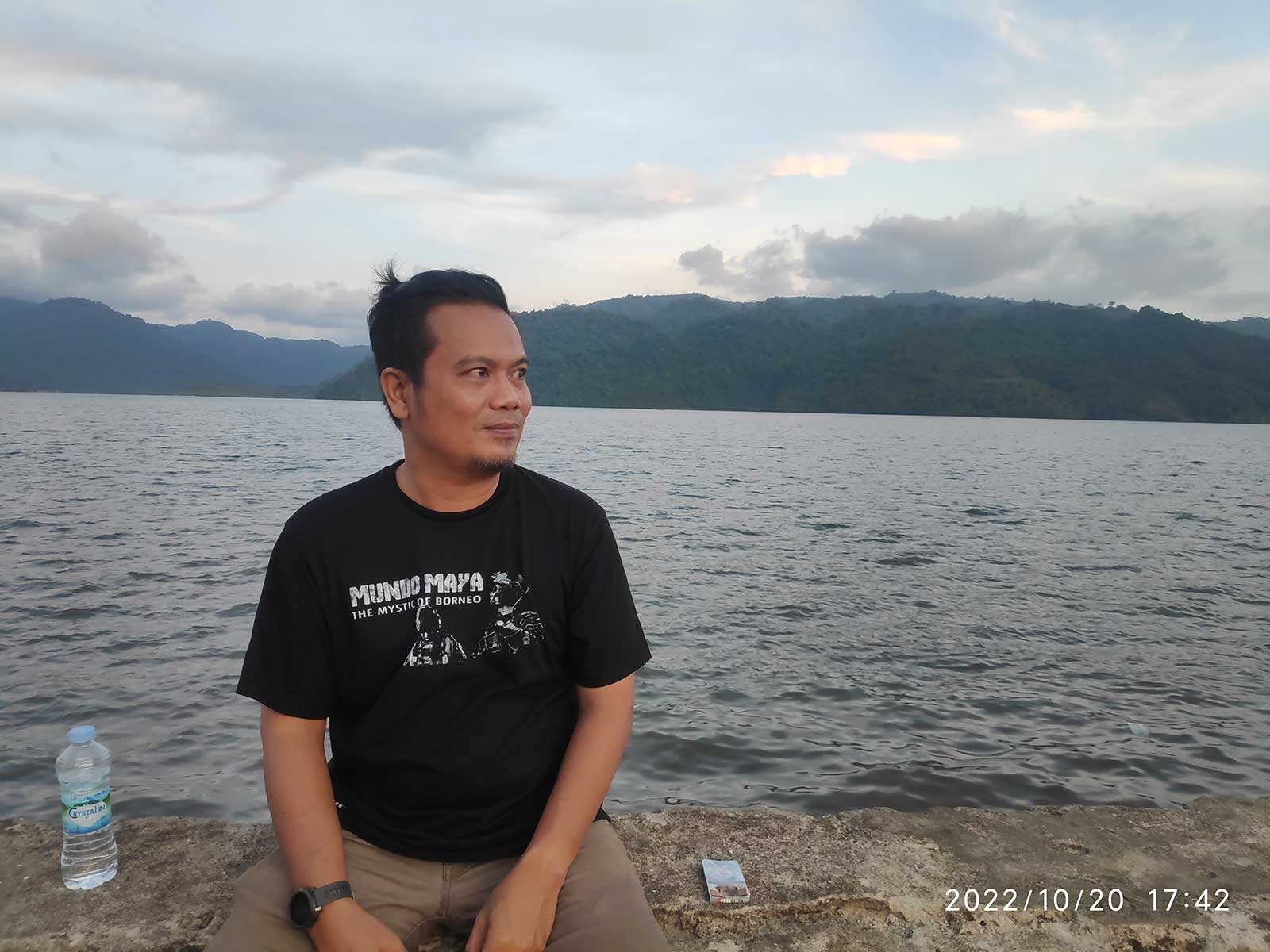
Mardani
Kotawaringin, Indonesia
Bio
Mardani has been an Indigenous rights activist since 2010 and joined the Archipelago Indigenous Peoples Alliance (AMAN) in 2013. He comes from the Kotawaringin Indigenous community in West Kotawaringin Regency, Central Kalimantan Province. His work as an activist includes advocacy on Indigenous issues such as agrarian conflicts (including the Kinipan case, Tempayung case, farming land disputes, and others), legal injustice, and local government policies that do not favor Indigenous peoples. Together with his colleagues, he also facilitates Indigenous schools within the community and supports community economic empowerment. Currently, he and his community are fighting for the legislative process in local government to achieve recognition of Indigenous peoples’ unity by the Regent of West Kotawaringin.
@dhanidisini
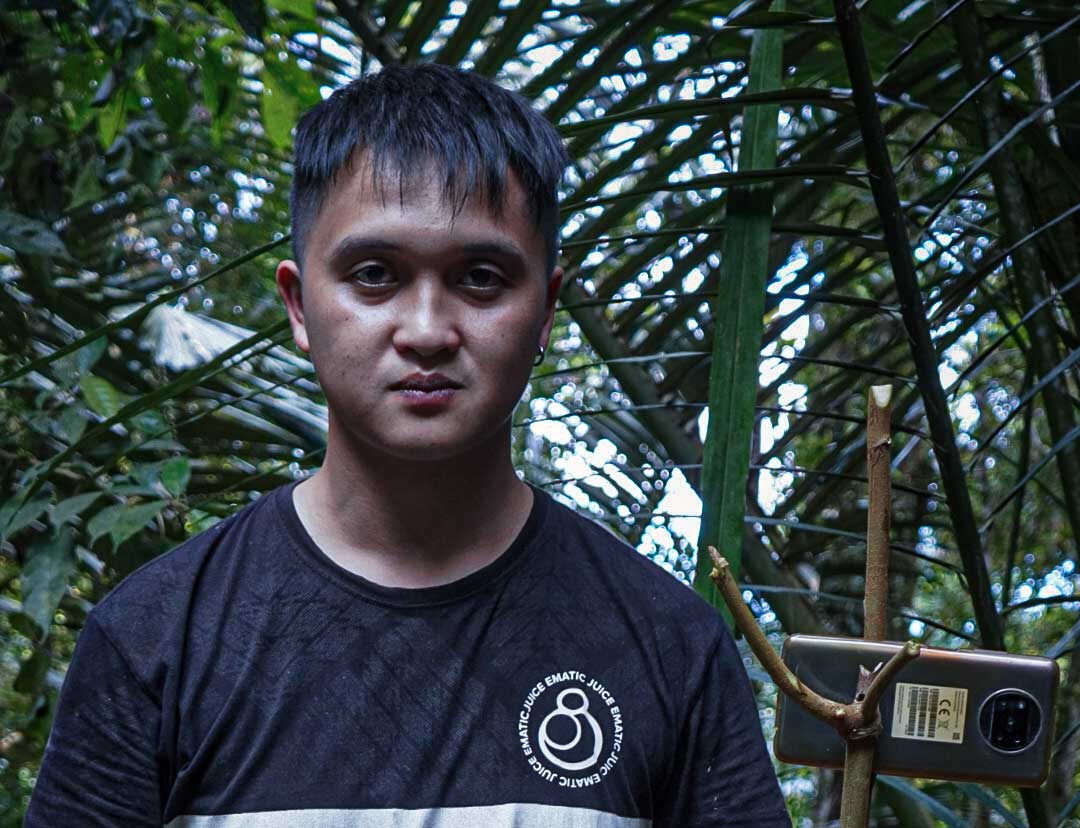
Heaven Nexi Linelejan
Minahasa, Indonesia
Bio
Heaven Nexi Linelejan is a son of the Minahasa land in Indonesia. While in university, he became involved with a cultural arts organization, marking the beginning of his journey as someone seeking to rebuild public awareness of cultural values as ancestral heritage. Heaven is a filmmaker and poet. He says: “I come from the northern part of Sulawesi, Indonesia — the land of Minahasa. A fertile land said to be a paradise, where wise people once lived, a place passed down by our ancestors. Now we are beginning to sink into a crisis of identity, starting to forget and leave behind the ancestral values of life — including caring for nature, the Earth, which is our elder and closest sibling. I choose to pour my struggle into poetry and film, hoping to inspire and motivate the world, especially the Indigenous community of Minahasa. My struggle is still long, and I know I am not fighting alone.”
@heaven_line
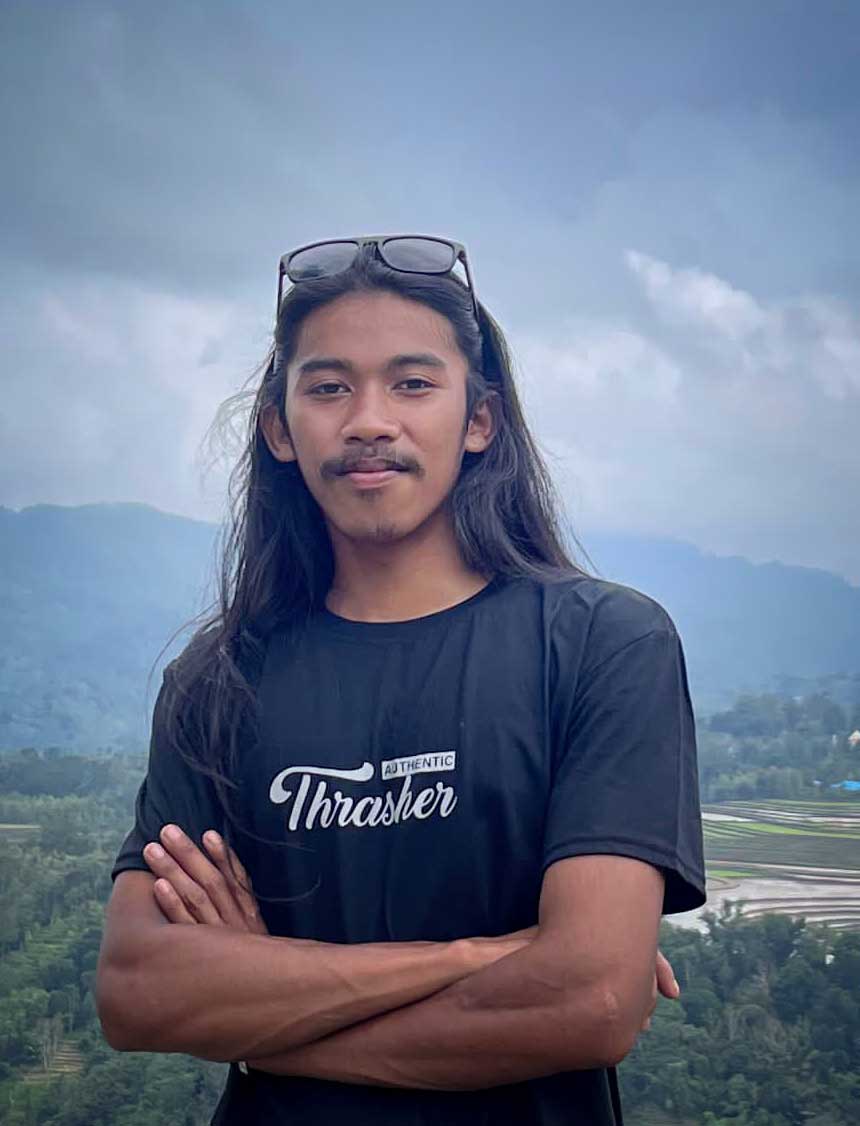
Basri
Suka, Indonesia
Bio
Basri was born in a small village in Indonesia. He is a local farmer who manages his land traditionally, continuing his ancestors’ legacy of traditional farming, preserving local wisdom, and keeping the surrounding nature green. He is also a documentary filmmaker from the Indigenous youth community, filming the activities of Indigenous peoples and more. Additionally, he is a craftsman who makes handmade bamboo products, turning bamboo into environmentally friendly drinking water bottles. He is also deeply interested in the world of macro photography. Basri joins fellow activists to fight for the rights of local and Indigenous communities and cultural preservation, and he is often involved in other humanitarian activities.
@bassri__
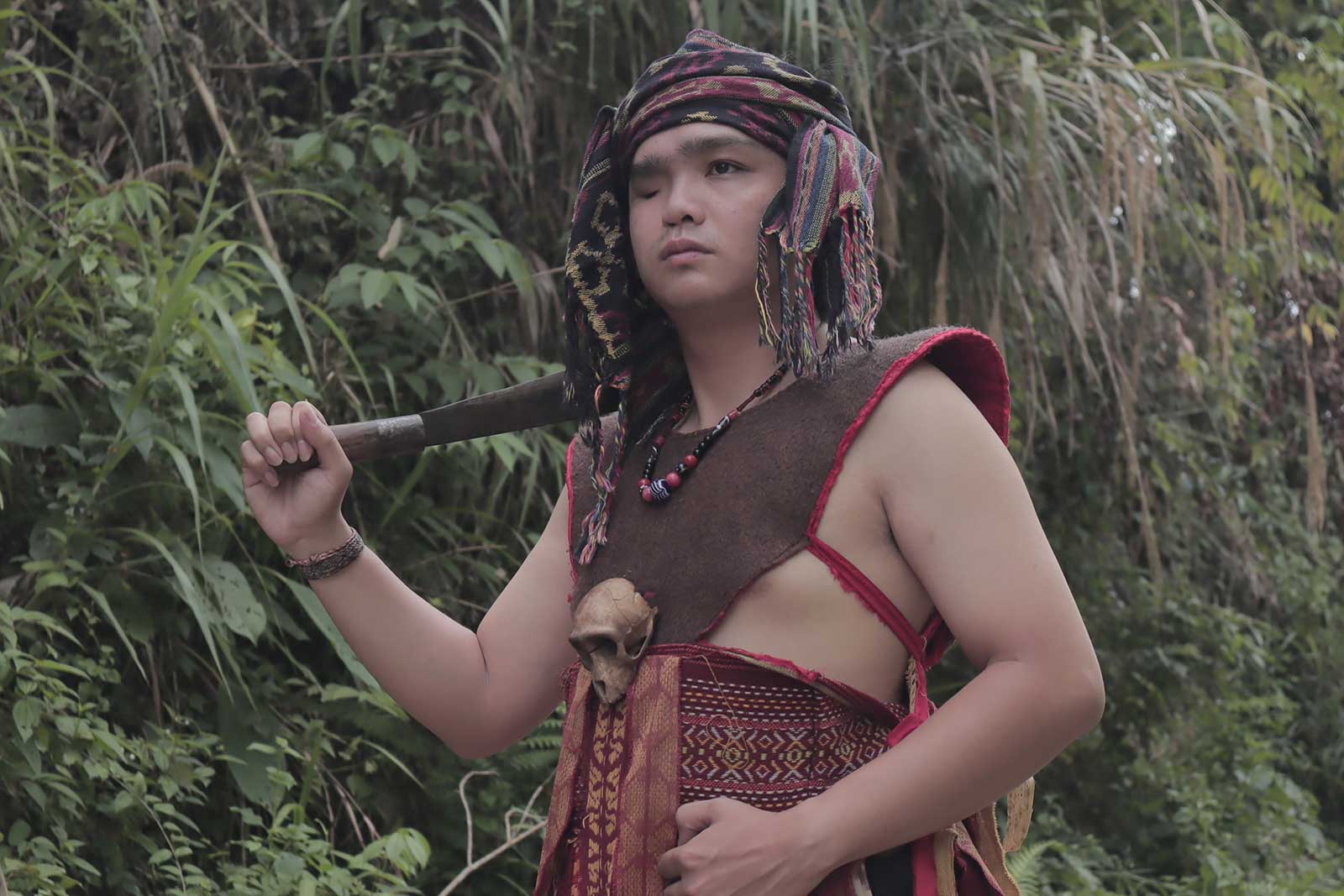
Petra Geerstinael Rondonuwu
Minahasa “Toutemboan”, Indonesia
Bio
Petra Rondonuwu comes from Minahasa, Indonesia, more precisely from South Minahasa Regency. His region, South Minahasa or the Toutemboan Minahasa tribe, is a place where his ancestors gathered. He is an Indigenous youth who wants to share stories about his land, Tanah Minahasa, through film. As an Indigenous person, he enjoys playing with his creativity and his camera while thinking about what he should share next. There are many challenges to overcome, because he must act both as a filmmaker and as a preserver of Minahasa’s customs and culture — for example, questioning whether he is allowed to film certain things. But that is a challenge he must resolve. Regardless, doing creative work within a cultural context is a noble endeavor.
@petrageerstinael
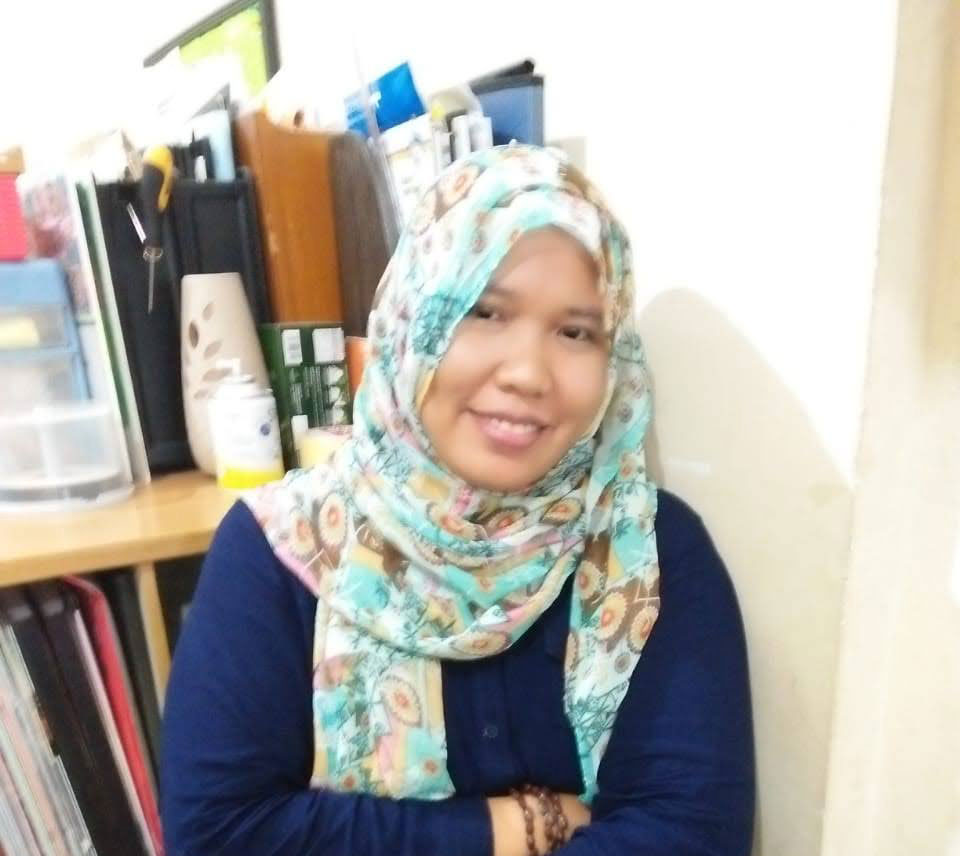
Elviza Diana
Jambi Malay, Indonesia
Bio
Elviza Diana lives in Jambi City, Indonesia. She has received several awards, including Best Journalist Work on Child Protection from AJI Jakarta and UNICEF, and fellowships for reporting on Indigenous peoples, climate change, tenure conflict, diversity, renewable energy, environmental crime, women and environmental management, and data-based journalism at both national and Southeast Asian levels. Currently, she writes actively for Mongabay Indonesia. In addition to writing, she is deepening her practice in photography and documentary video. She has also received an award for Best Documentary on Wildlife, which was broadcast by the German news agency DW.
@elviza_diana
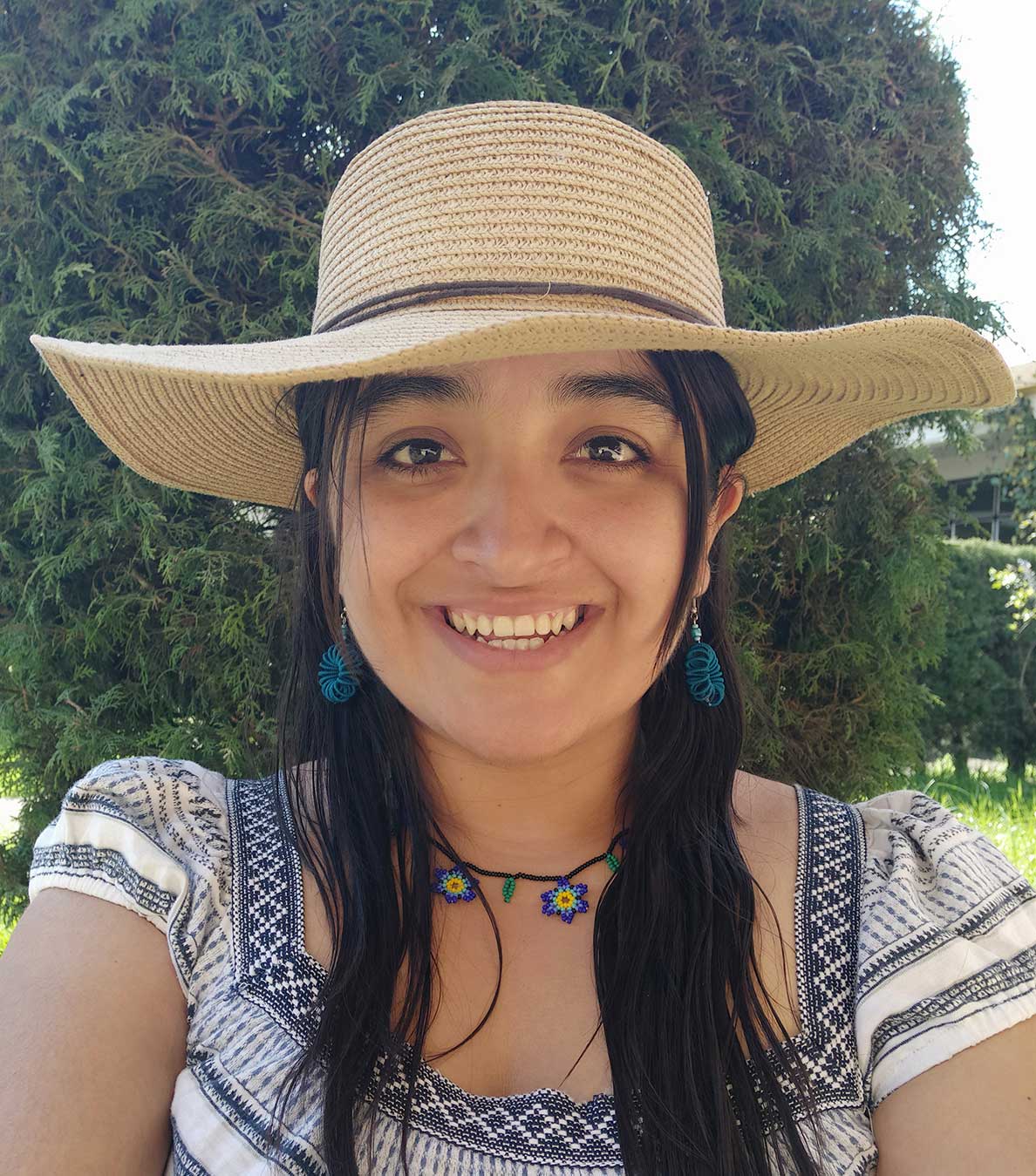
America Olguin
Local Community – Sierra Norte of Puebla, Mexico
Bio
América Olguín is from the Sierra Norte of Puebla, Mexico. She began creating audiovisual materials focused on the defense of territorial rights, contributing to the production of mini-documentaries and other short films addressing mining projects and forest fires in her region. This work, combined with her involvement in supporting organizations within the forestry sector, enabled her to observe how these efforts can significantly influence collective awareness and drive actions in favor of environmental conservation and community well-being. Over time, her interest in further developing her skills in audiovisual production grew, prompting her to experiment with content creation through her social media platforms. Her primary objective is to equip individuals from local and Indigenous communities in the Sierra Norte of Puebla with the skills necessary to produce their own audiovisual materials, supporting them in disseminating the knowledge and tools they have utilized for decades to safeguard their forests.
@meriolguin
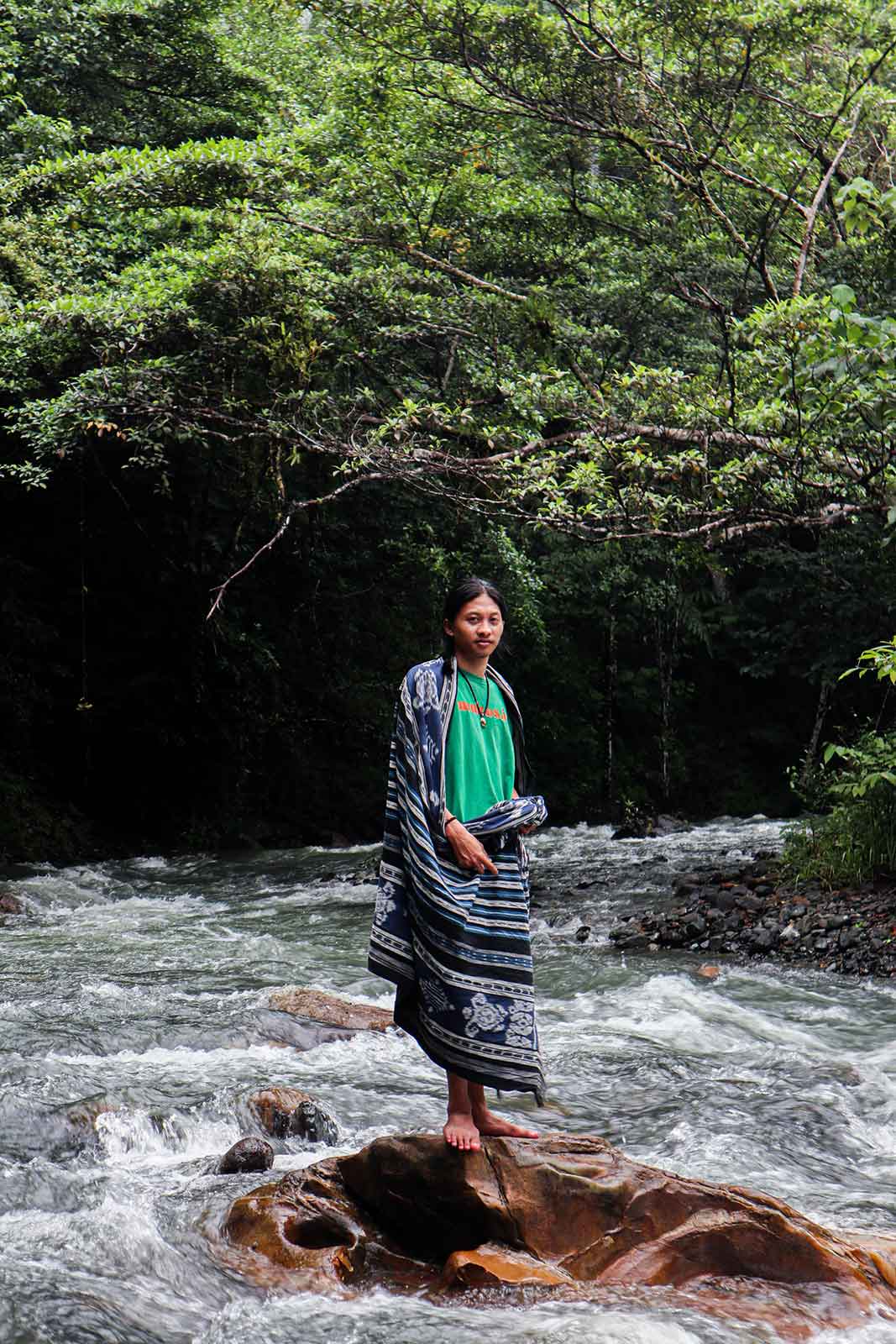
Azfar Zulhidjah AR
Bulutana, Indonesia
Bio
Azfar Zulhidjah is an Indigenous youth from the Bulutana Indigenous community. He is actively involved in monitoring the remaining forests in Indonesia, raising his voice for ecological justice, and leading a “return to the homeland” movement as his way of learning, protecting, and managing his Indigenous territory from attacks by elites who seek to take over his village.
@azfarzulhijjah.ar
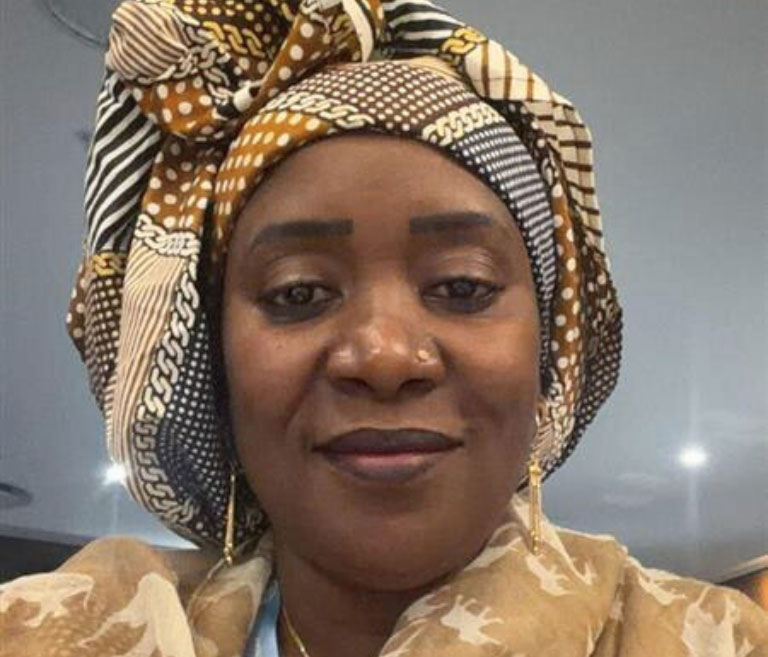
Aissatou Oumarou Ibrahim
Mbororo, Tchad
Bio
Aissatou Oumarou Ibrahim is a member of PIPC and the Francophone Africa Representative at the FSC Indigenous Foundation. A specialist in human rights and climate change, she is a member of the Mbororo people of Chad. Aissatou is a mechanical engineer and community development leader with over two decades of experience supporting Indigenous peoples and vulnerable communities. As Deputy Coordinator of AFPAT in N’Djamena and Vice-Coordinator of RAPALEAC, she has helped design, implement, and monitor social and human rights projects — particularly those related to Indigenous rights, gender inclusion, and climate advocacy. She brings strong expertise in strategic planning, team coordination, budgeting, reporting, and facilitation, and has contributed to the delivery of over 30 community-focused projects alongside her team.
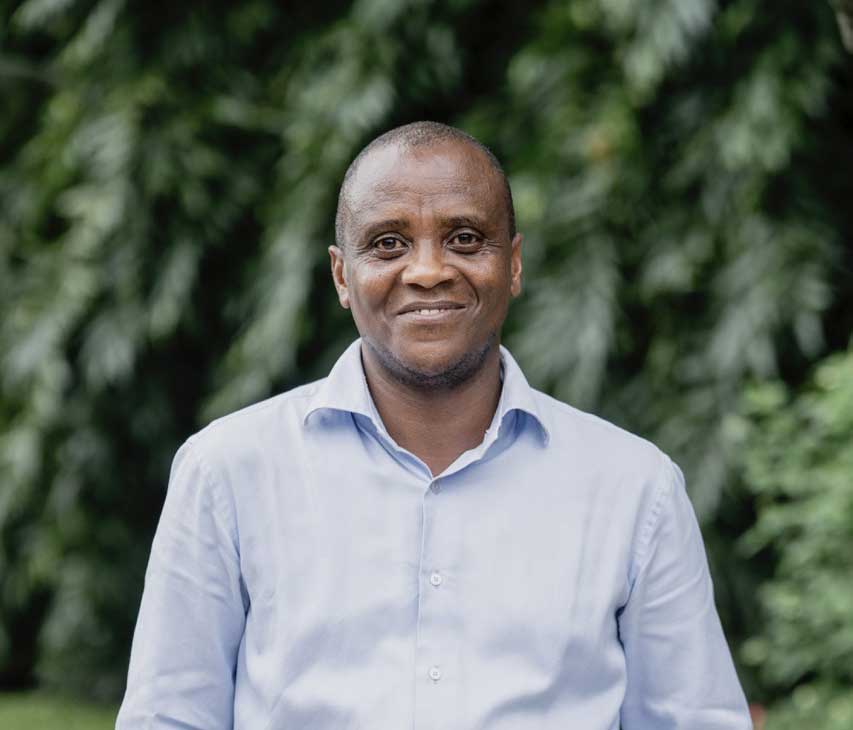
Callixte Hategekimana
Batwa, Rwanda
Bio
Callixte Hategekimana is a member of the Batwa community in Rwanda. For approximately two decades, the Batwa were displaced from their ancestral forest homeland — now a protected national park — without compensation or skills to live outside. Callixte explains that his people have lost their ancestral way of forest life: their customs, traditions, and religion were taken away without consultation. He works with the Communauté des Potiers du Rwanda (the Rwandan Potters’ Community) to promote the social and economic rights of the Batwa. Callixte participated in the UN Human Rights Office Indigenous Fellowship Programme in Geneva, where he gained skills to advance Indigenous rights in his community.
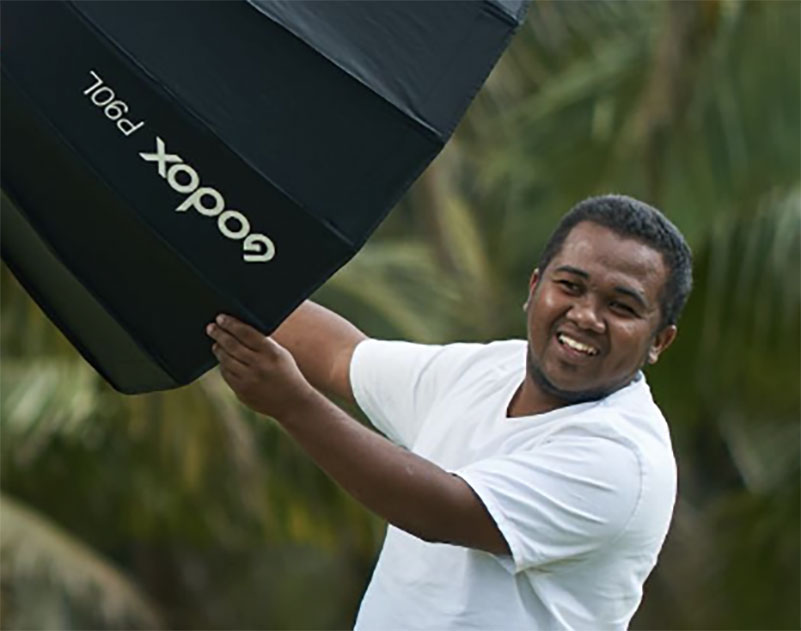
Mahefantsoa Nantenaina Claret
Forest Protectors from Manombo and Ikongo regions, Madagascar
Bio
Mahefantsoa Nantenaina Claret resides in Farafangana and is married with two children. In 2018, he obtained a Bachelor’s degree in Journalism, Marketing, and Communication from the E-Media University of Antananarivo. Since 2014, he has been working as a freelance event photographer and videographer. In 2020, he had the opportunity to work as a consultant for various non-governmental organizations, including Transparency International and GIZ. He is the communication officer in the Health in Harmony (HIH) team to help preserve the rainforest and the environment. He is fully convinced of HIH’s vision. His dearest wish is to see the Manombo forest reborn, once again offering refuge to a multitude of animals.
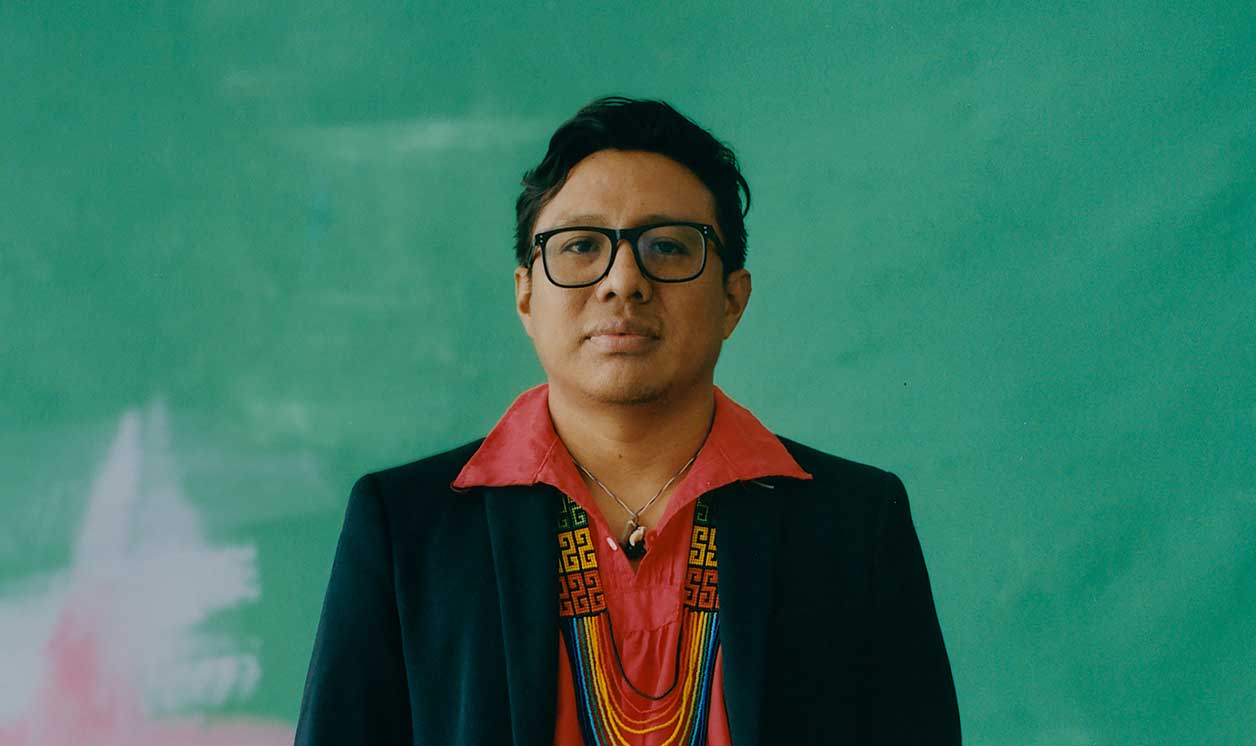
Giuseppe Villalaz
Guna, Panama
Bio
Giuseppe Villalaz is originally from Usdub, in the Gunayala Comarca of Panama. He holds a degree in Business Administration and is the founder of TV Indígena, a platform that highlights the voices and realities of Indigenous Peoples of Abya Yala. With over ten years of experience in Indigenous rights and climate change, he has collaborated with the FAO, IAITPTF, and Fundación Cuatro Mundos. He currently serves as an alternate representative on the boards of the AMPB (Mesoamerican Alliance of Peoples and Forests) and the Mesoamerican Territorial Fund, as well as an alternate representative for the Global Alliance of Territorial Communities.
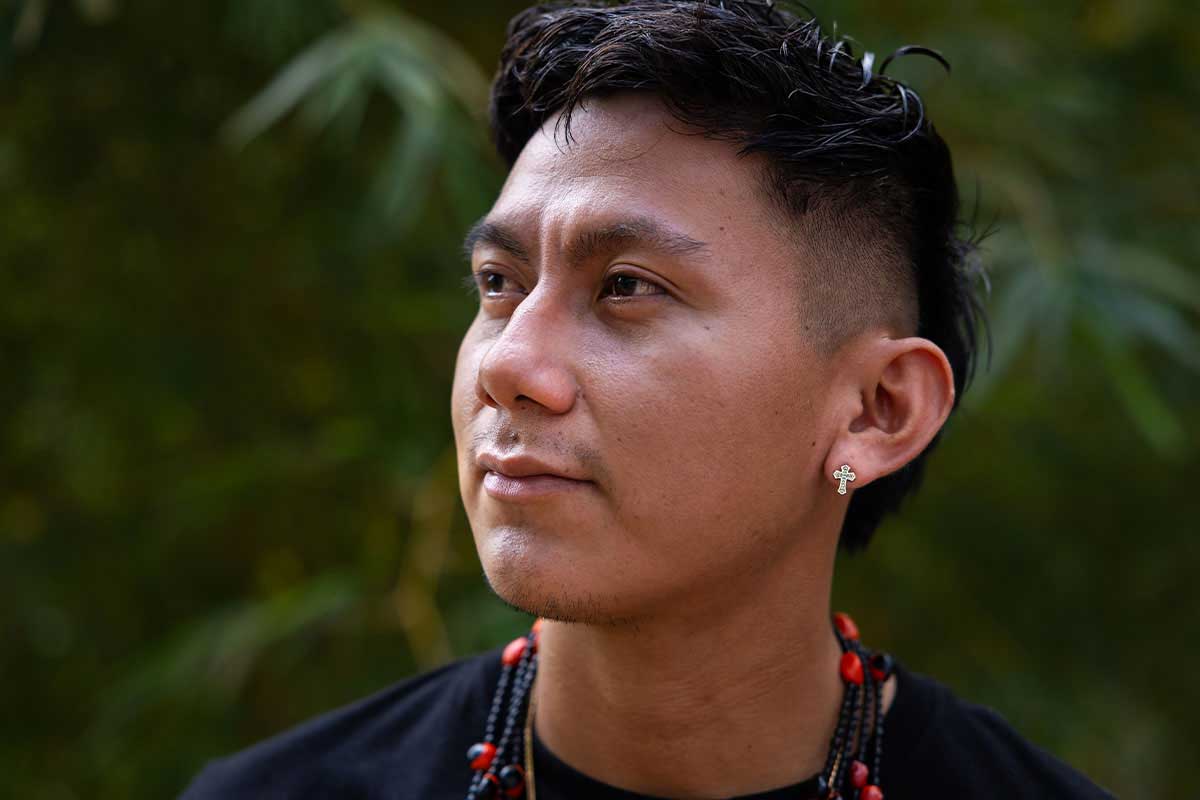
Eddy Menkorie Patiachi
Harakbut, Peru
Bio
Eddy Menkorie was born in the native community of Puerto Luz, of the Harakbut people, in the Madre de Dios region of Peru. He is a young man committed to the defense of his culture and territory. He studied in Puerto Maldonado, where he discovered the power of communication to tell his people’s stories. He has made short documentaries about Harakbut culture and the challenges his Indigenous people face. He returned to his community to continue working for it. He believes in the value of his roots and in the importance of making the Indigenous voice visible from his own lived experiences. He currently serves as president of the Organization of Indigenous Youth and Students of Madre de Dios (OJEIMAD)
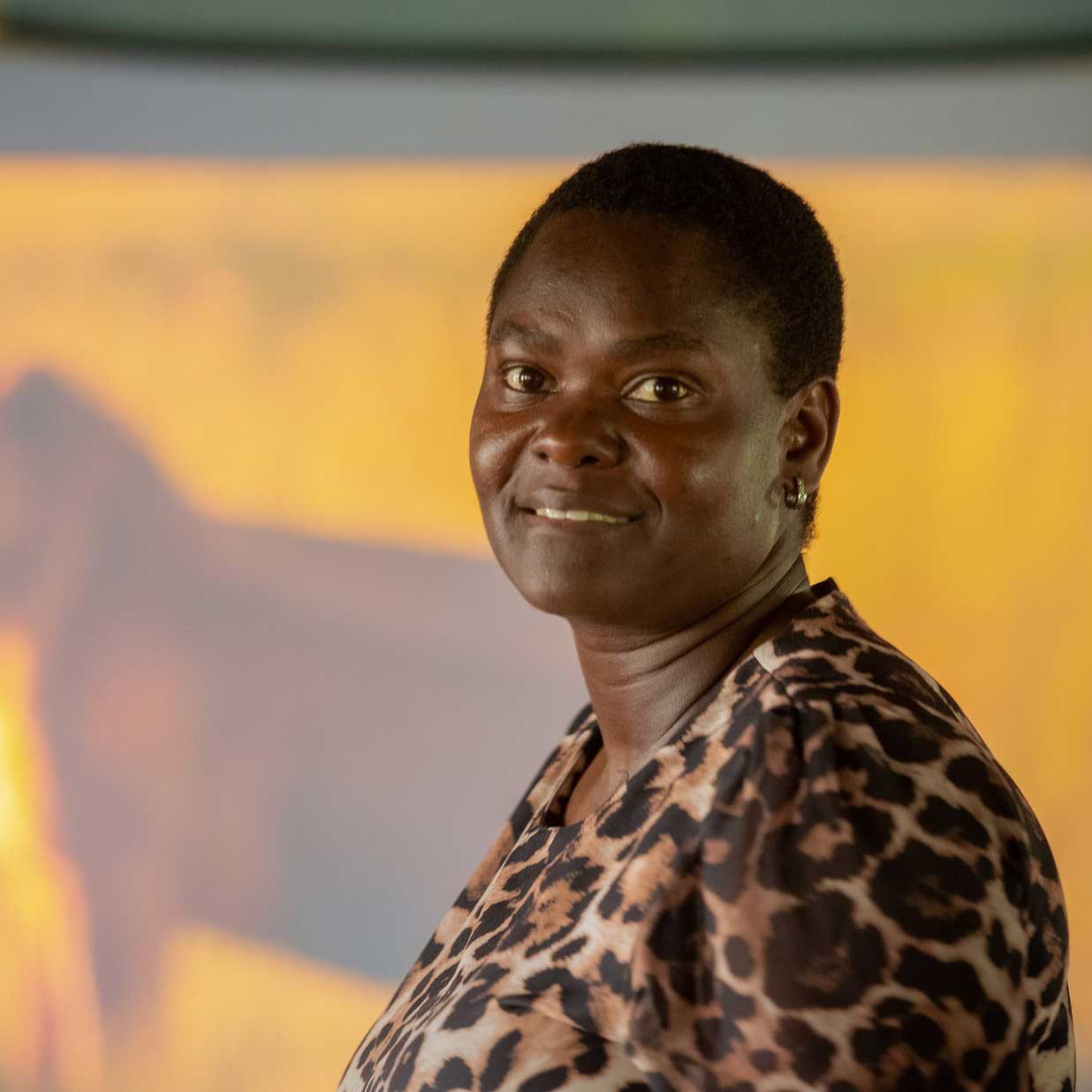
Erica Rugabandana
Maasai, Tanzania
Bio
Erica Rugabandana is a wildlife cinematographer from Tanzania with a background in wildlife conservation and community development. She holds a Master’s in Community Development and an Advanced Diploma in Wildlife Management. She believes in the power of film to tell stories about wildlife and people — creating awareness and driving change. For three years, she has been mentored by wildlife cinematographer Justine Evans and producer Jacqueline Farmer. Erica uses a RED camera to capture animal behavior and human-wildlife interactions, an angle she believes is essential for wildlife sustainability. Her journey continues as an engaged, groundbreaking filmmaker with the selection of Kuishi na Simba (Living with Lions) as a 2025 Finalist in the Impact Campaign category of the 2025 Jackson Wild Media Awards.
@siima_films
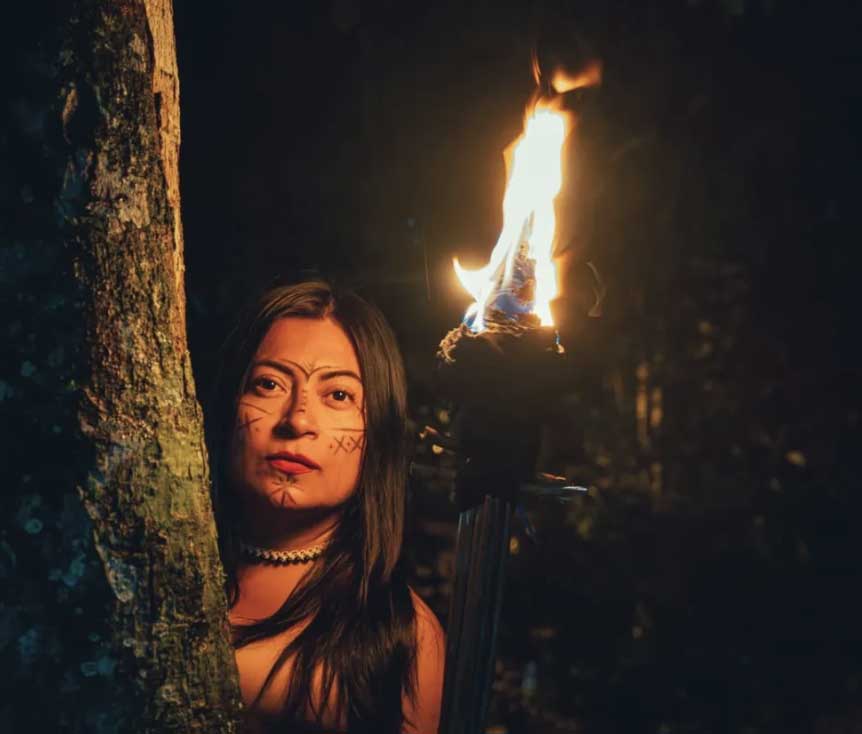
Mery Utitiaj
Shuar, Ecuador
Bio
Mery is an emerging documentary filmmaker from the Ecuadorian Amazon, whose focus is on the everyday, the ancestral, and the relationship between people and their territory. Her work seeks to capture emotions and realities through an intimate, sensory narrative. She is the creator of the short film Jurijri, a piece that explores the symbolic and identity from a profound perspective. She is currently investing in high-impact micro-shorts to connect with new audiences.
@utitiaj.nunink
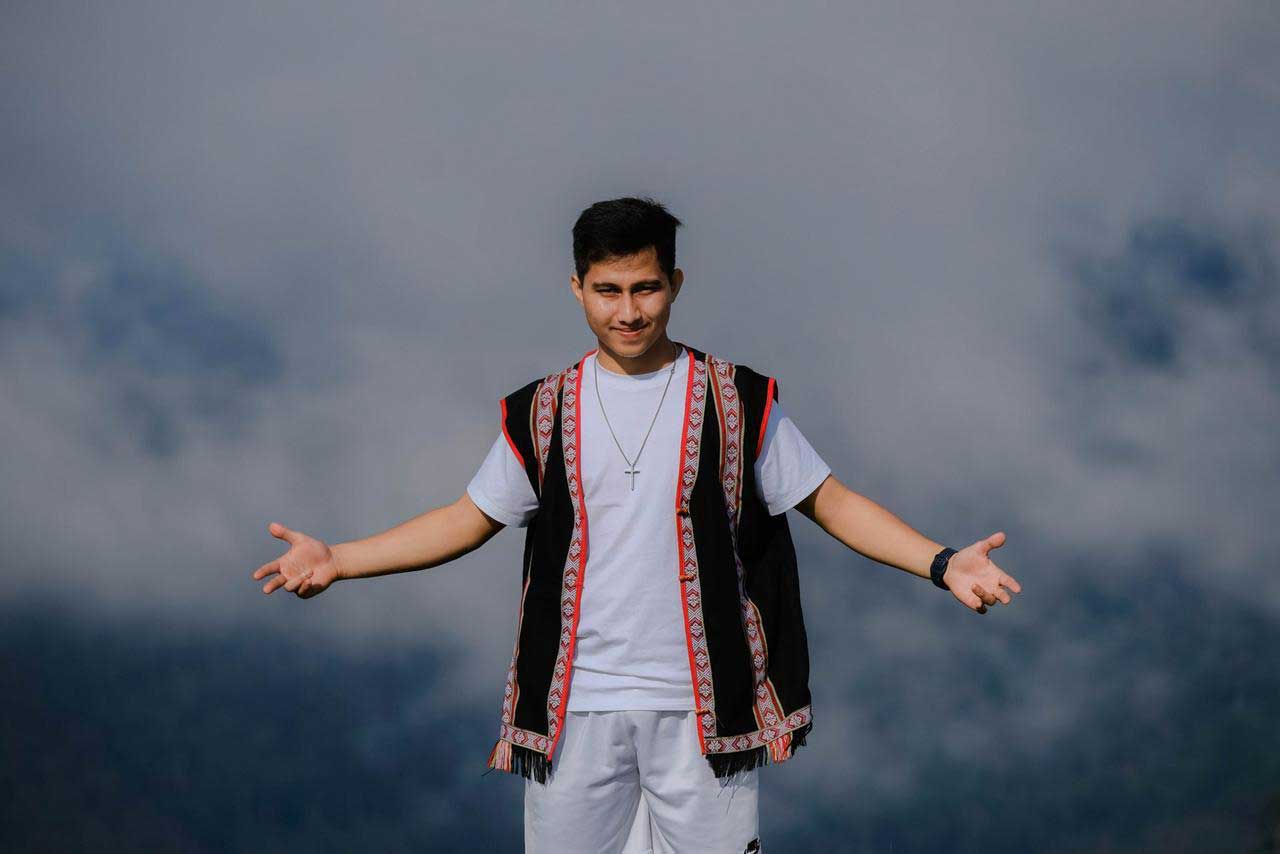
Sev Thorth
Jarai, Cambodia
Bio
Sev Thorth is a Media & Communication Officer from the Jarai Indigenous Peoples in Ratanakiri, Cambodia. With a Bachelor’s degree in Computer Science and strong skills in media, web development, translation, and music production, he has led youth to create 10+ Indigenous songs promoting culture and rights. He actively represents IPs in national and international forums to empower communities and advocate for cultural preservation.
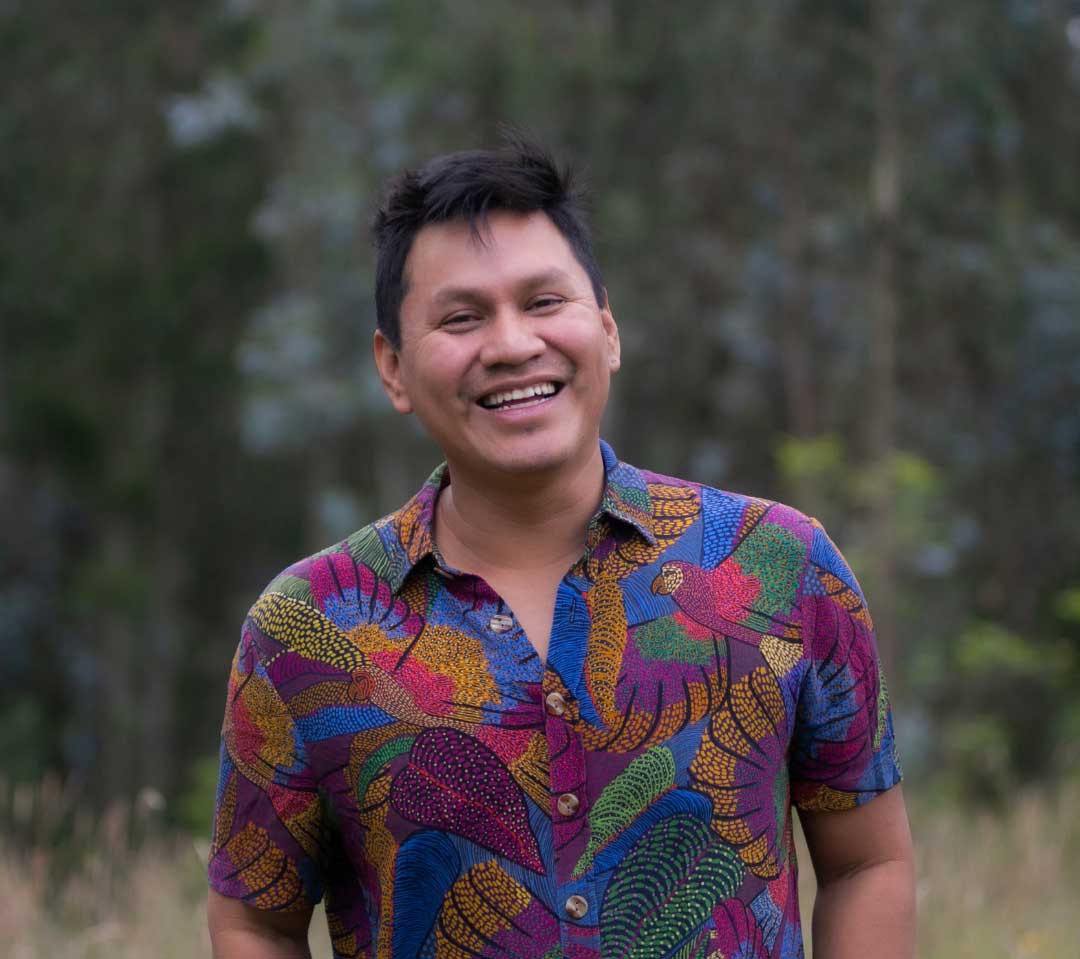
Leo Cerda
Kichwa, Ecuador
Bio
Leo Cerda is a climate activist, Indigenous rights defender, and storyteller from the Kichwa community of Serena in the Ecuadorian Amazon. He is the founder of the HAKHU Project, an organization that supports advocacy, capacity-building, and storytelling workshops for Indigenous women and youth to encourage healing and justice; and also co-founder of the Black and Indigenous Liberation Movement (BILM). He serves on many organizations in Ecuador and internationally, including as Executive Director of the Hakawati Foundation, bridging Indigenous community initiatives with international support.
@amazonleo
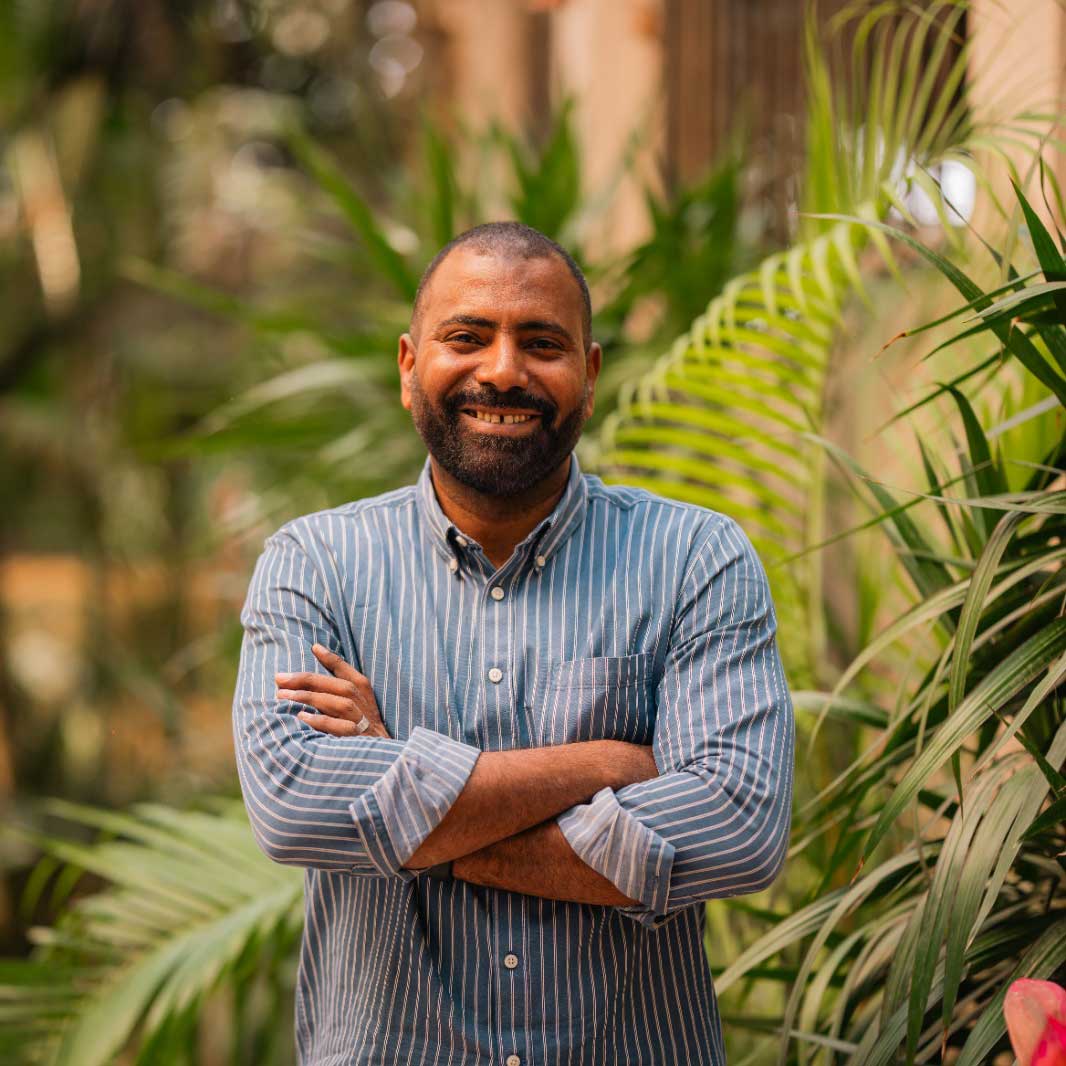
Ali Yousef
Local community – Red Sea Region, Egypt
Bio
Ali Yousef is an environmental sustainability leader and community development practitioner with over 15 years of experience at the intersection of conservation, heritage preservation, and youth empowerment in Egypt’s Red Sea region. He belongs to the Ababda tribe, the local community of the Red Sea region. As Executive Director of SEAS for Environment and Training, he leads initiatives promoting environmental education, protecting coastal ecosystems, and strengthening community resilience. He designs and manages multi-stakeholder projects with donors, NGOs, and government partners, emphasizing community-driven solutions. Work spans climate action, cultural heritage, sustainable livelihoods, capacity building, climate conferences, and grassroots approaches linking people, culture, and nature.
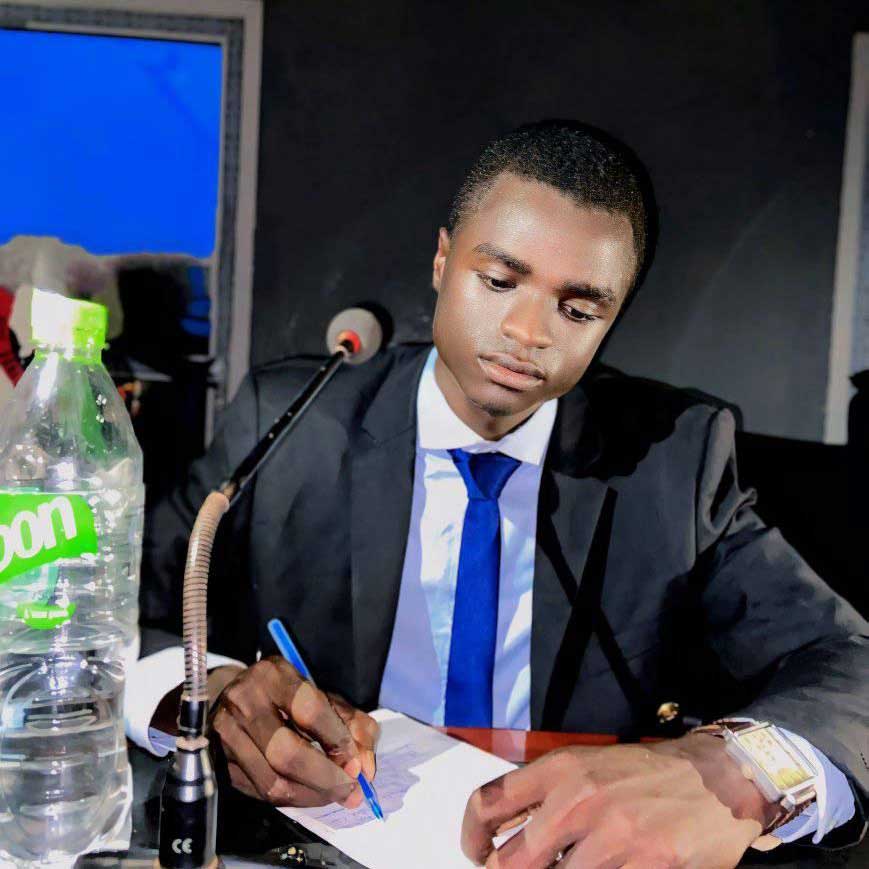
Adamou Ousmane Adam
Mbororo, Tchad
Bio
Adamou Ousmane Adam is a young member of the Mbororo people of Chad. He is the Founder and President of BRR-CITY Group and has studied in MTIC at the National School of Information and Communication Technologies (ENASTIC).
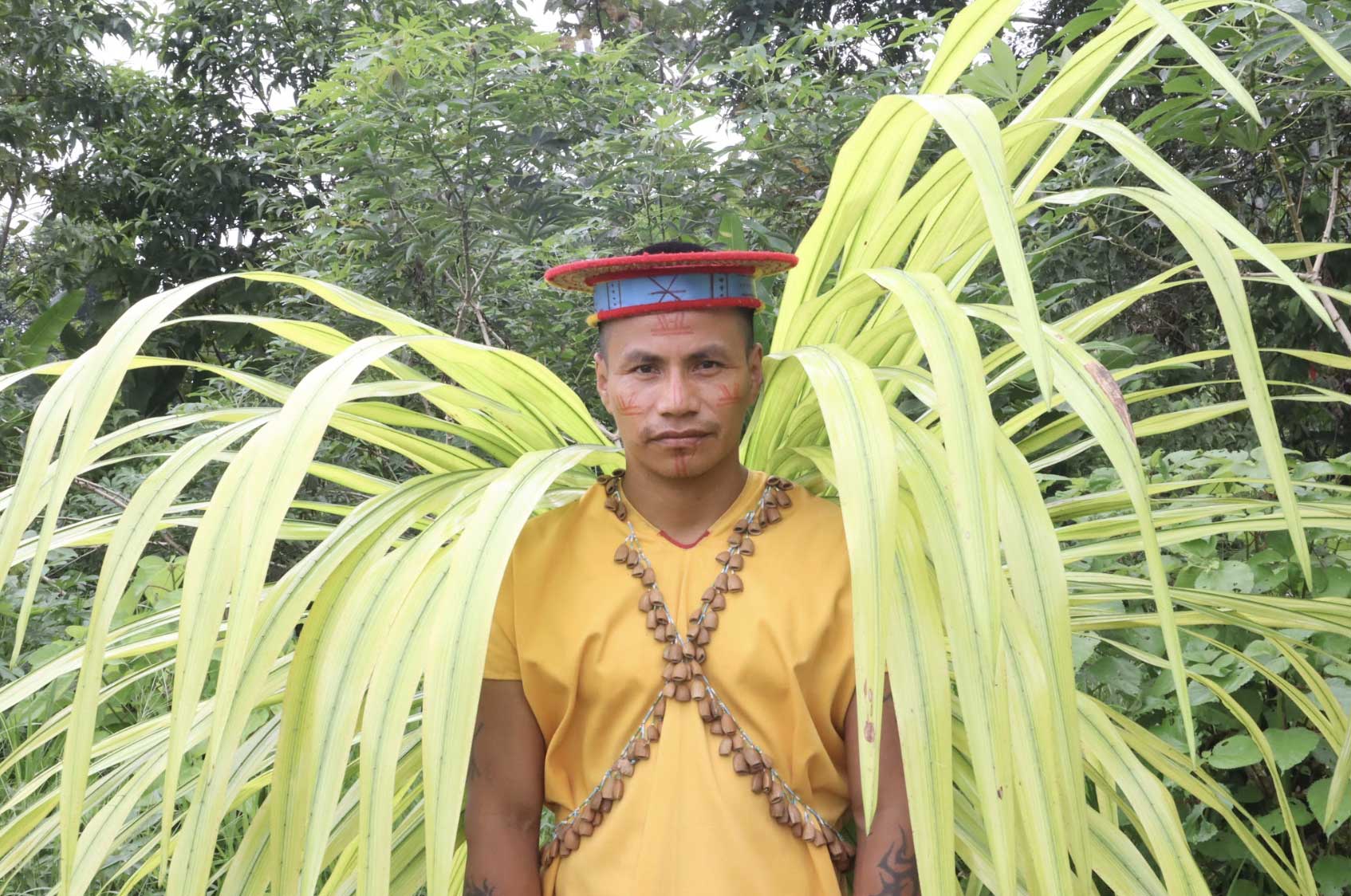
Limber Adolfo Payagujae Yiyocuro
Siona, Ecuador
Bio
Limber Payaguaje is a Siona filmmaker from the community of Aboquehuira in the Ecuadorian Amazon and a member of ONISE (Organization of the Siona Indigenous Nationality of Ecuador). Through his collective, he has been creating short films about his community and the Siona way of life, helping to preserve Siona traditions and keeping his culture alive.
@limberpayaguaje
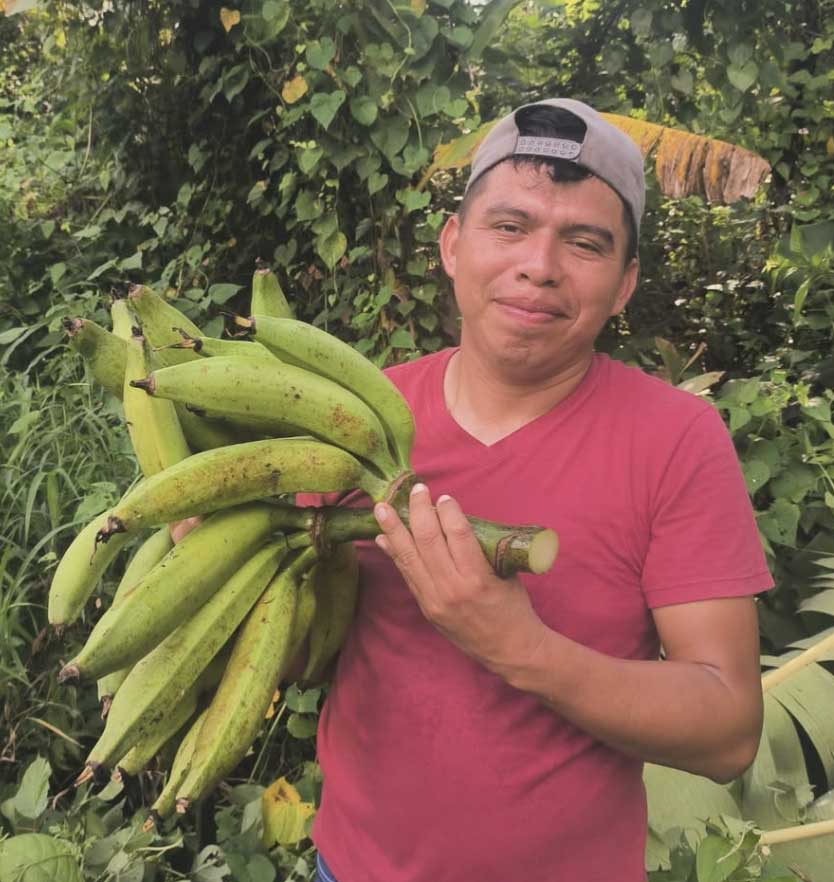
Elias Caal Oxom
Maya, Guatemala
Bio
Elías Oxom is a gastronomy content creator at @ranchocobanero and educational consultant. He is currently pursuing a Master’s in Project Formulation, Evaluation, and Management at Universidad Rafael Landívar (since July 2024) and holds a Bachelor’s degree in Bilingual Intercultural Education from the same university (class of 2018). He also worked as a community journalist at Prensa Comunitaria.
@eliasoxom
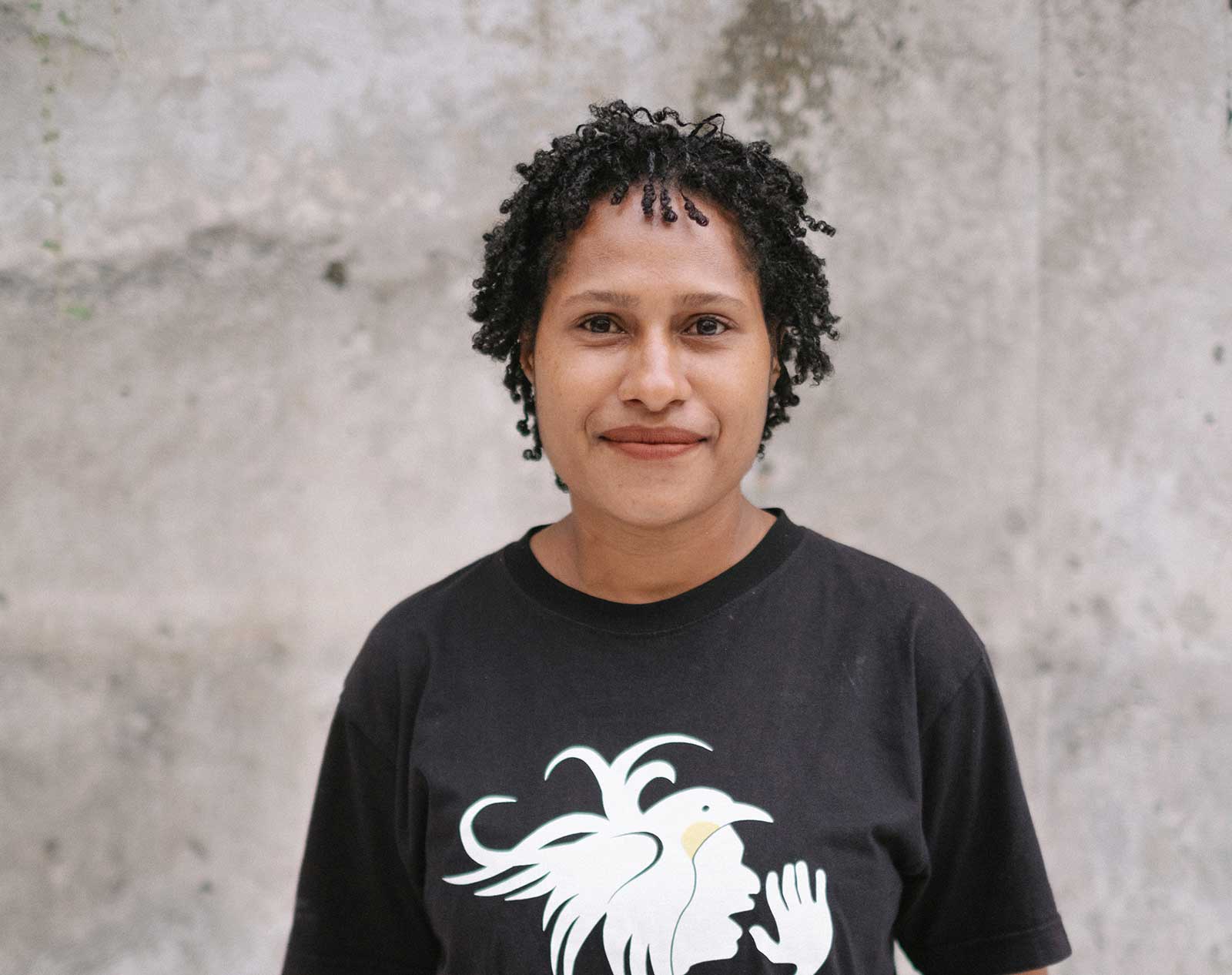
Elisabet Apyaka
Jayapura, Papua New Guinea
Bio
Elisabet Apyaka is a documentary filmmaker from Papua, Indonesia, based in Jayapura. With an academic background in Law from Cenderawasih University, her work is shaped by a strong awareness of justice, human rights, and the lived realities of Indigenous Papuan communities. Through documentary filmmaking, Elisabeth focuses on telling stories from the perspective of Papuan communities, highlighting everyday experiences, social struggles, and the complex relationships between land, identity, and power. Her work seeks to create space for Papuan voices to speak for themselves, using film as a tool for reflection, resistance, and community-centered storytelling.
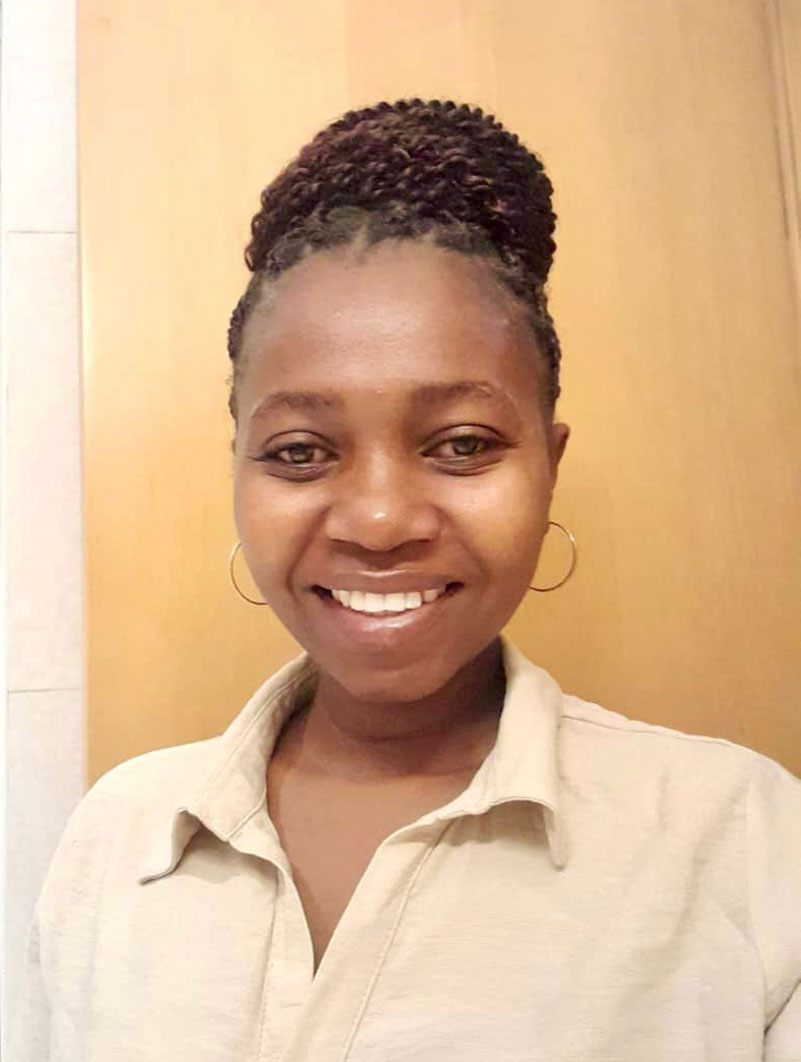
Jenifer Gilla
Bagamoyo (local community), Tanzania
Bio
Jenifer Gilla is a Tanzanian environmental and science journalist with over a decade of experience reporting on climate change, biodiversity, and sustainable development across East Africa. She is the Managing Director and Co-founder of Habitat Media, a digital platform dedicated to telling impactful stories on environmental conservation and climate justice.
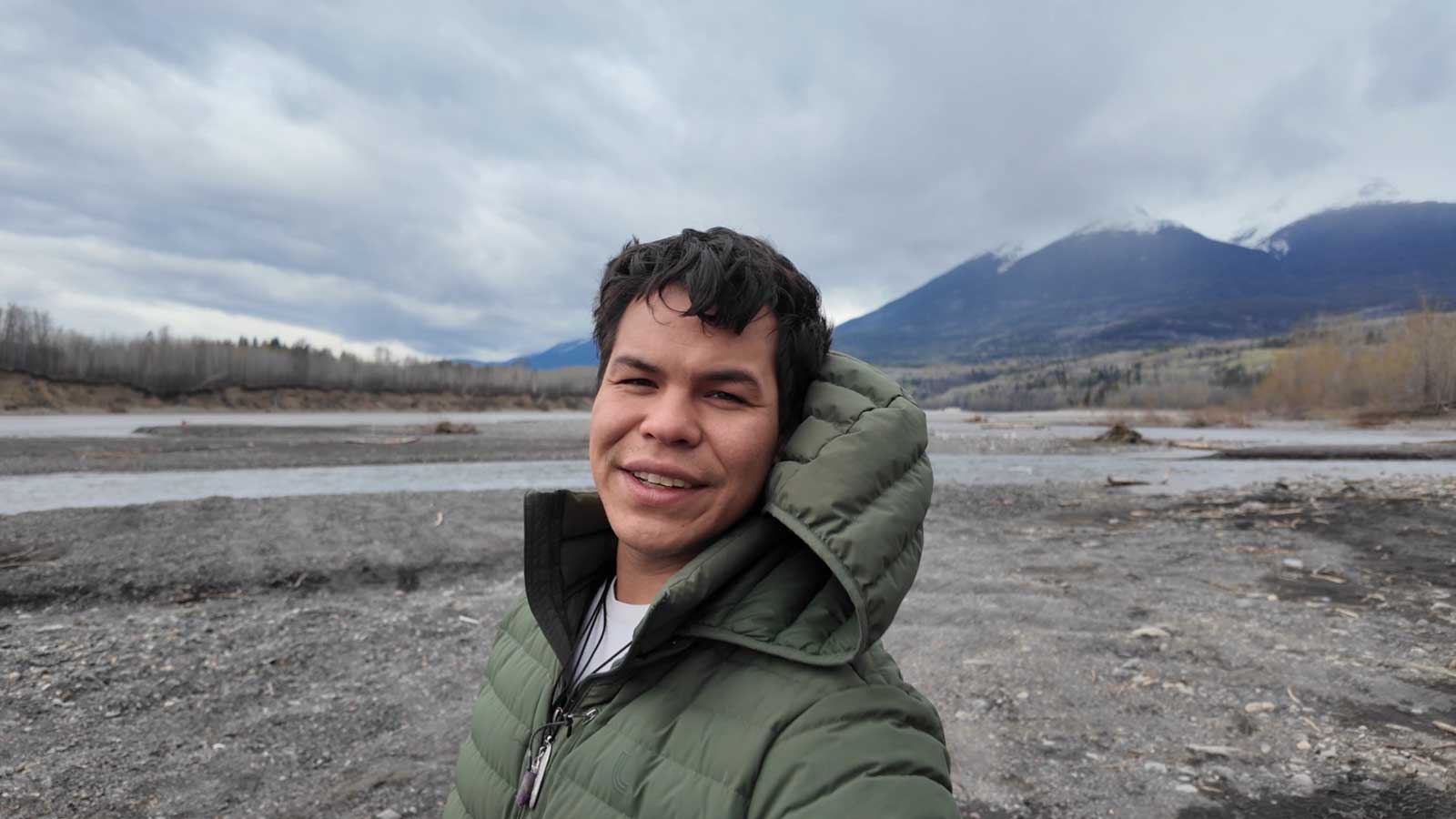
Justice Moore
Gitwangak/Gitxsan, Canada
Bio
Justice Moore is a Gitxsan/Tsimshian male from Gitwangak, BC. He is founder of Mist Valley Agriculture and he is working towards furthering his traditional and Western education in horticulture, so he can create a sustainable food network for rural communities. For Justice, true sovereignty starts with how we eat, and if future generations are to grow beyond us, then they need to be sustained with nutrient-rich food.
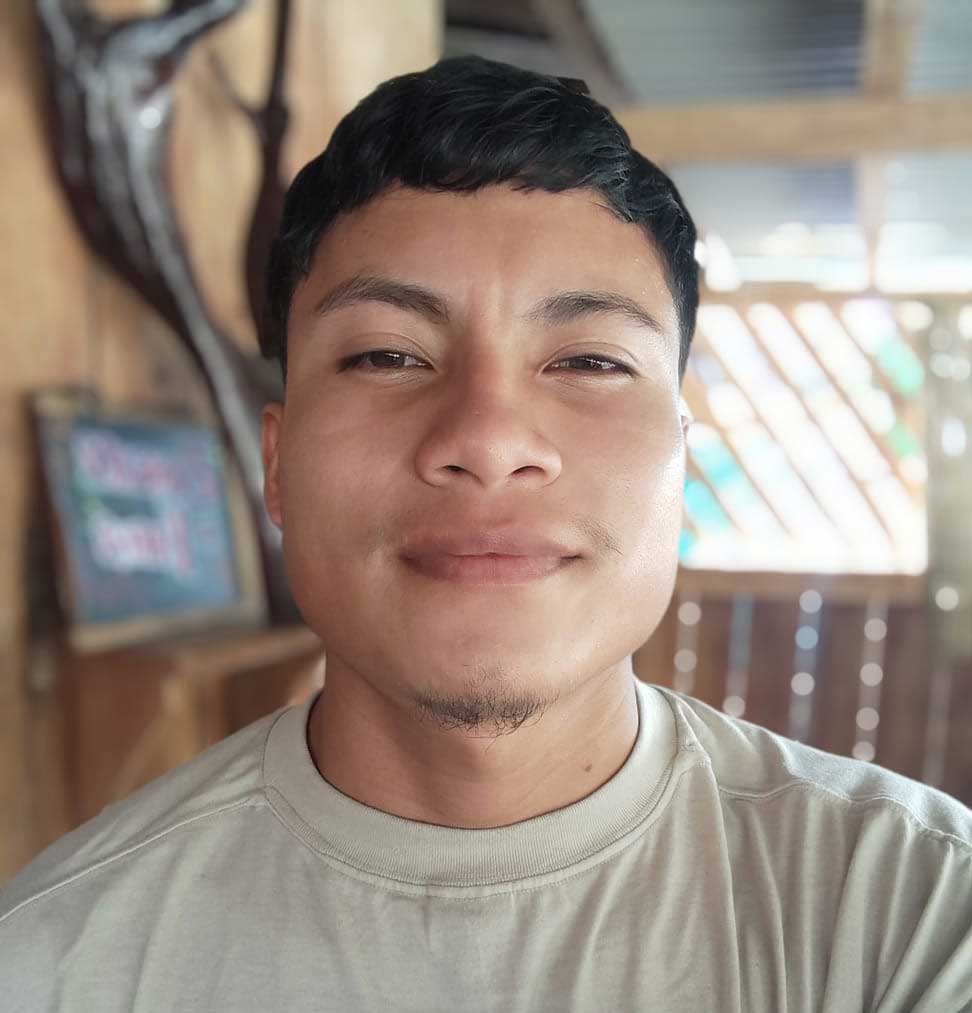
Ronaldo Manuqueve Careche
Harakbut, Peru
Bio
Ronaldo Manuqueve Careche (2003, Madre de Dios, Perú) is an audiovisual communicator and a Graphic Design student at SENATI. He has participated in various community projects in the Amazon region, where he has developed content focused on cultural identity. He stands out for his work in promoting Amazonian culture through digital media, contributing to the visibility of local communities. He is currently continuing his professional education, strengthening his skills in design and visual communication.
@manuq_ueve
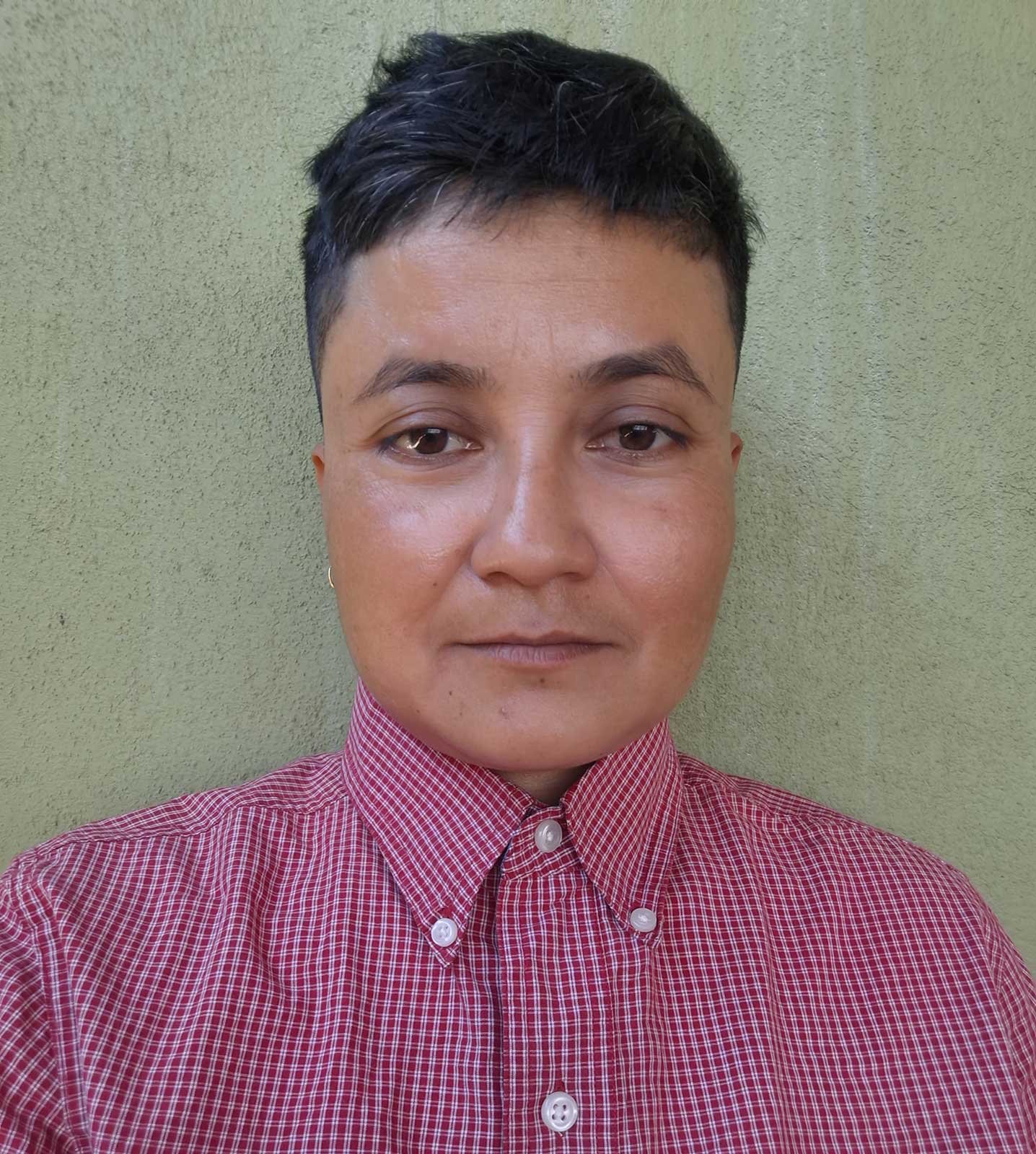
Mokaya Gutiérrez
Yudxi (Jalapa del Marqués, Oaxaca), Mexico
Bio
Mokaya Gutiérrez is an Indigenous person from the town of Santa María Jalapa del Marqués, Oaxaca. As a political position within their community, they reclaim their identity as a woman, but from their resistance, they are a transmasculine person. Mokaya is the grandchild of Mrs. Modesta Morales and Mr. Ponciano Gutiérrez, and the child of Mrs. María Gutiérrez Morales, making them a farmer by inheritance. They are also co-founder and coordinator of cultural collectives in their community. Academically, Mokaya is an agronomist specialized in plant science, but their daily struggle lies in the revitalization of culture and community work through the power of words.
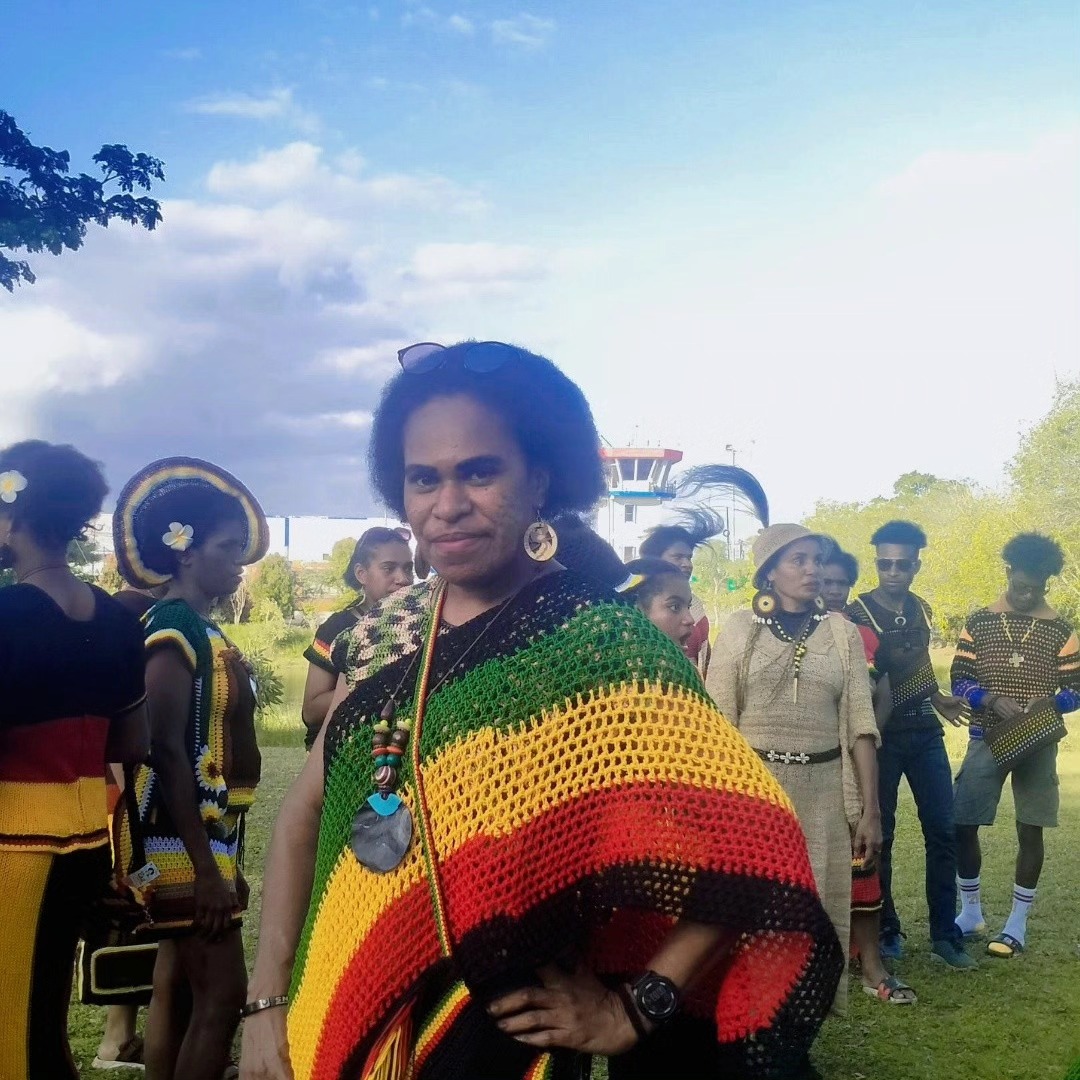
Josefin Iriani Kewamijai
Suku Yei , Indonesia
Bio
Josefin Iriani is the Director of the Kali Maro Bangkit Foundation, South Papua Province. She is an inspirational woman from the land of Papua, intelligent and creative, who has lived a life full of struggle for 20 years, working to bring a little light through small acts of kindness to lower-class or underprivileged communities, helping indigenous Papuans with their daily needs. Josefin’s journey has made her the best partner of a message from her tribe, the Yei tribe, which has a big dream to be known to the outside world. Her dream came true when she met a world-renowned film director and became part of A Day on Earth. She thinks beyond boundaries, from a small room but with great hope, eager to learn more and become a woman who can manifest God’s works through film. In her words, the world is vast, so every moment is gold to learn about good things through daily activities on this earth, hoping that God will help Josefin to be present in America, watch A Day on Earth herself, and meet the extraordinary film directors of the world.
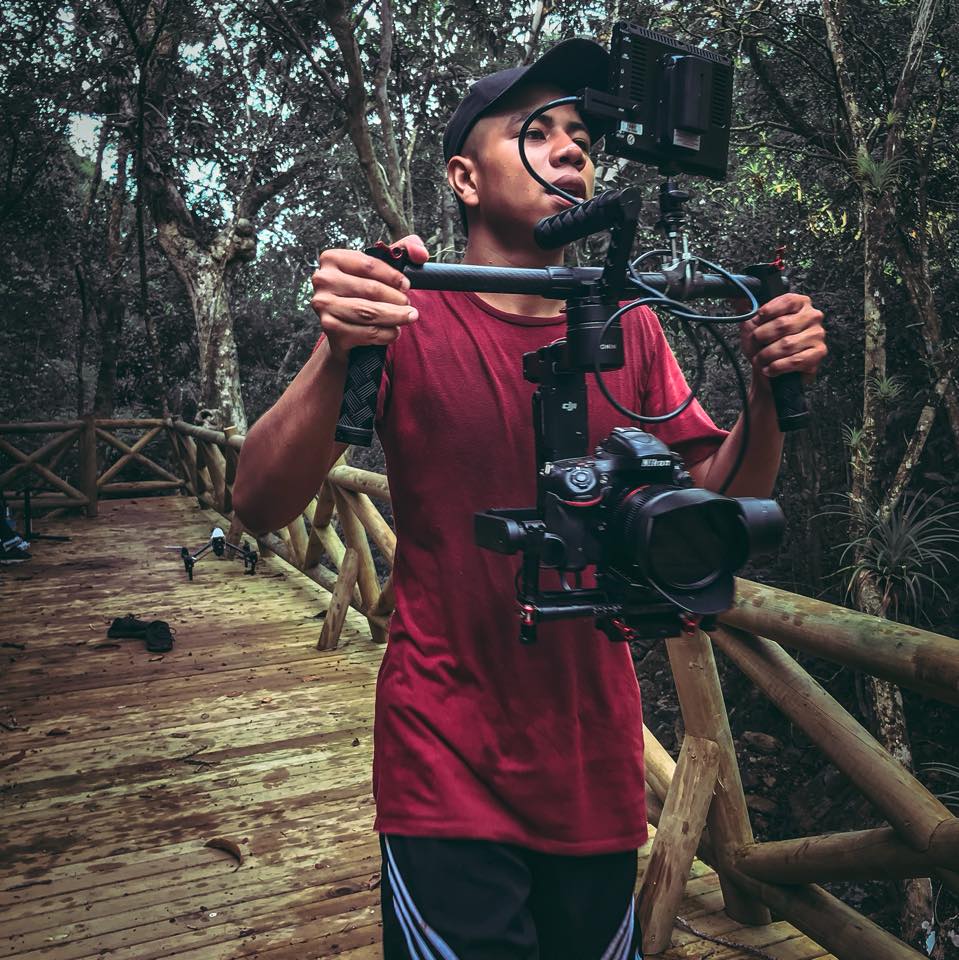
Daryl Raymundo Lung Orozco
Raizal, Colombia
Bio
Daryl Raymundo Lung Orozco is founder of MadeInParadise Films. He is an audiovisual director and photographer with training in film and television production, interested in projects that promote the culture, territory, and identity of the insular Caribbean region of Colombia. Experience in audiovisual production, music videos, editorial photography, and advertising content for regional media, artists, and institutional projects. Specialized in drone aerial filming, editing, color grading, and visual storytelling.
@madeinparadisefilms
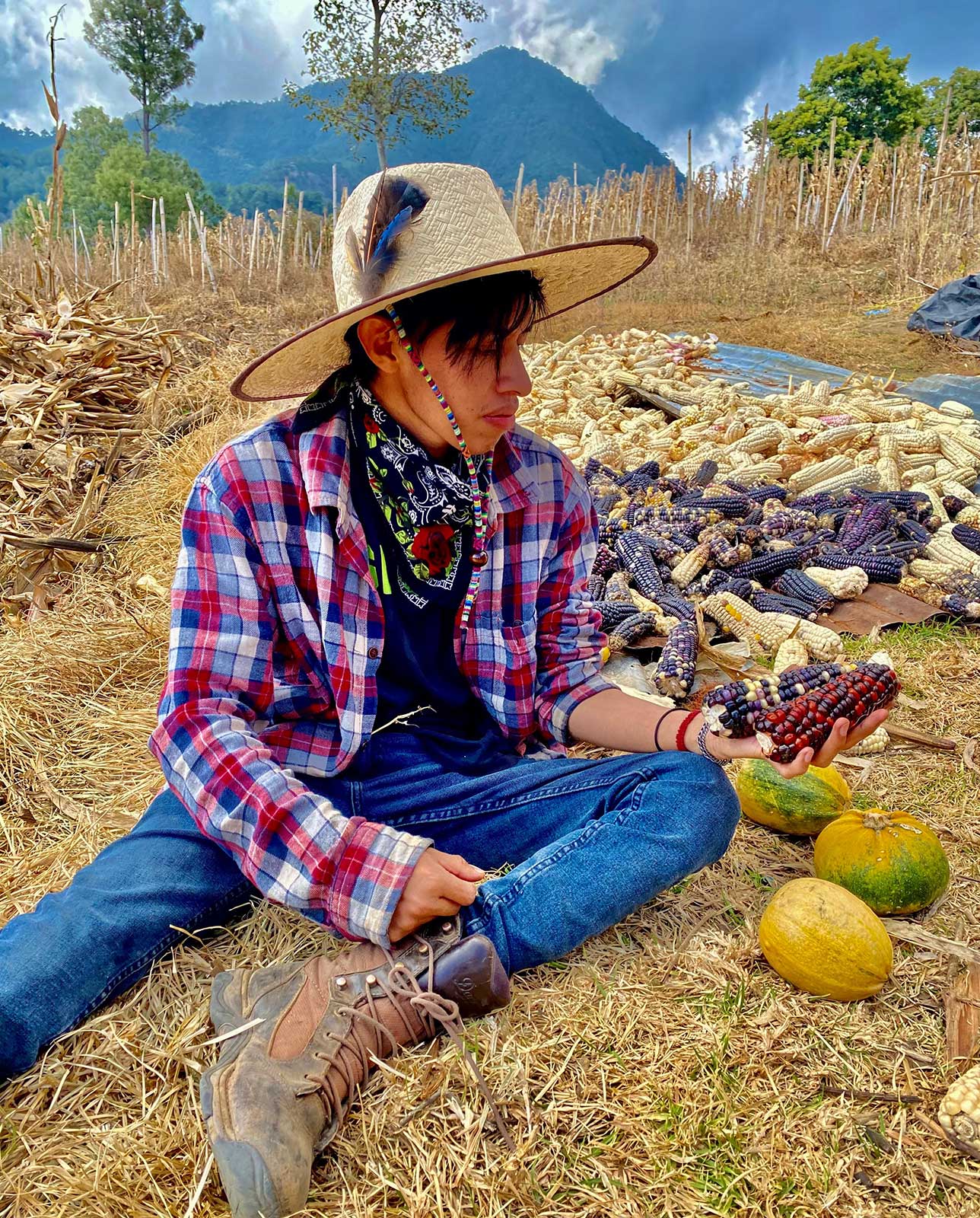
Abner Roberto Xitamul Can
Maya K’iche, Guatemala
Bio
Abner Xitumul Can is of Maya K’iche’ origin from the territory of Utatlán, which means “place of reed beds.” He serves as a community leader in the Utatlán Youth Alliance of Producers (AJPU) and in various grassroots community organizations, where he has strengthened his learning alongside ancestral leaders, integrating traditional knowledge and ancestral food systems with innovative approaches, especially in the use of social media and digital platforms. Currently, he represents the Corazón del Bosque Ukux K’achelaj Natural Reserve (“heart of the forest”), highlighting the fundamental role of Community Natural Reserves in Guatemala in environmental conservation and the strengthening of the community social fabric. As part of his leadership, he was selected to participate internationally in the United Nations Indigenous Fellowship Programme, where he strengthened his skills in political advocacy, community management, and governance models. As part of this experience, he shared and learned alongside the Emberá people in Panama, specifically with the Ipetí Emberá Association of Women Artisans (AMARIE). This experience allowed him to develop skills in the strategic use of social media and communication tools, with the purpose of making visible the experiences, knowledge, and struggles of Indigenous peoples.
@aabner_xitamul_
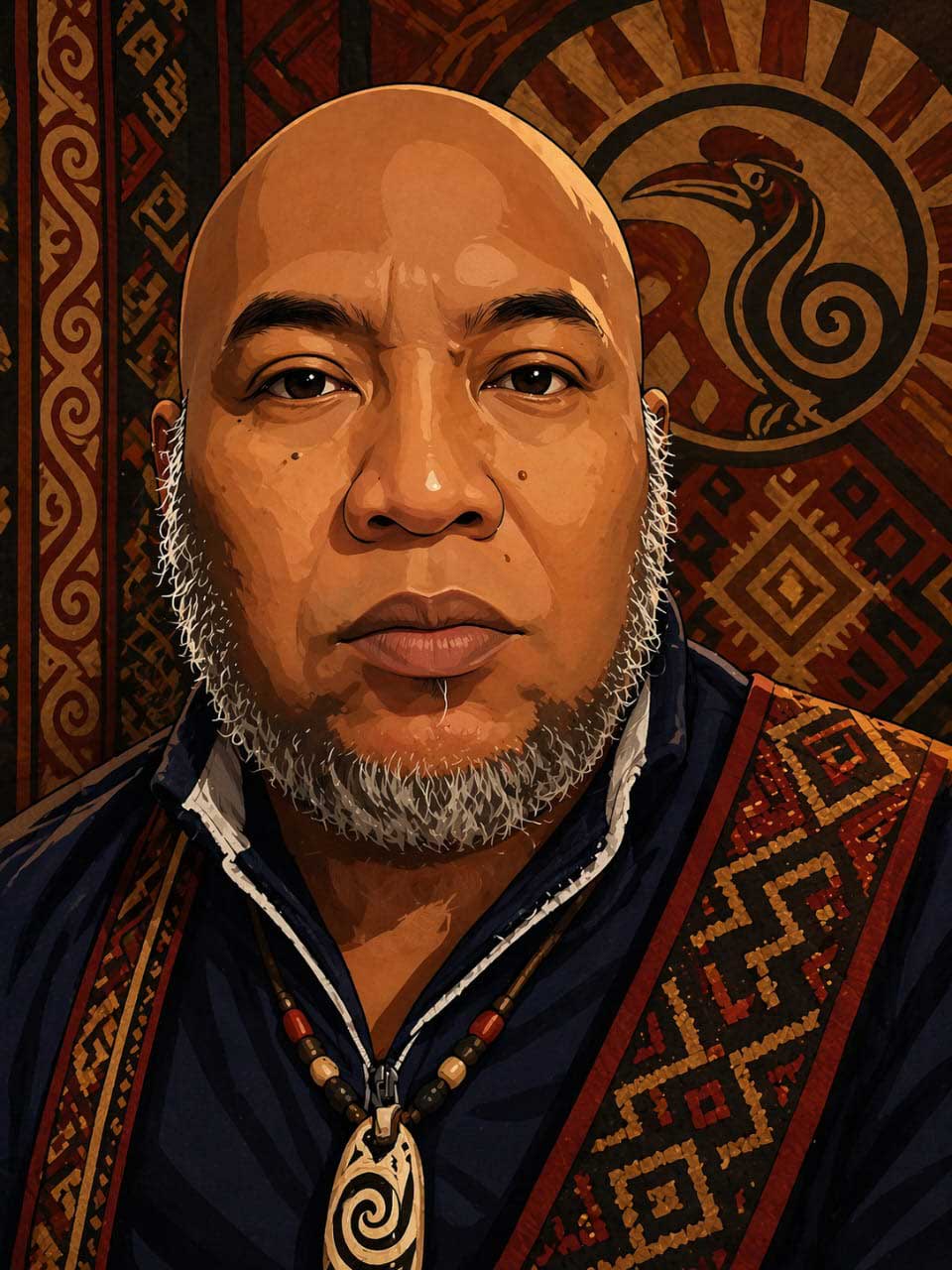
Raoel Swedo
Suriname
Bio
Raoel Swedo is a socially engaged initiator from Suriname. He is actively committed to social development and strengthening social networks within his community. His local community is multi-ethnic, but he is descended from the Arawak and Carib peoples. As a policy advisor at the Cabinet of the President, he is involved in national-level issues and contributes to policy development and strategic decision-making. In addition, he is the founder of his own media organization, Apache Media, through which he focuses on communication, information sharing, and enhancing social awareness, particularly within Indigenous communities. As a representative of the Apche Social Network Suriname Foundation, he focuses on connecting people, encouraging participation, and promoting collaboration. He strongly believes in the power of unity and collective growth. With a practical and people-centered approach, he works on projects that contribute to social cohesion and support for diverse target groups. His work is characterized by dedication, open communication, and a strong focus on community building.
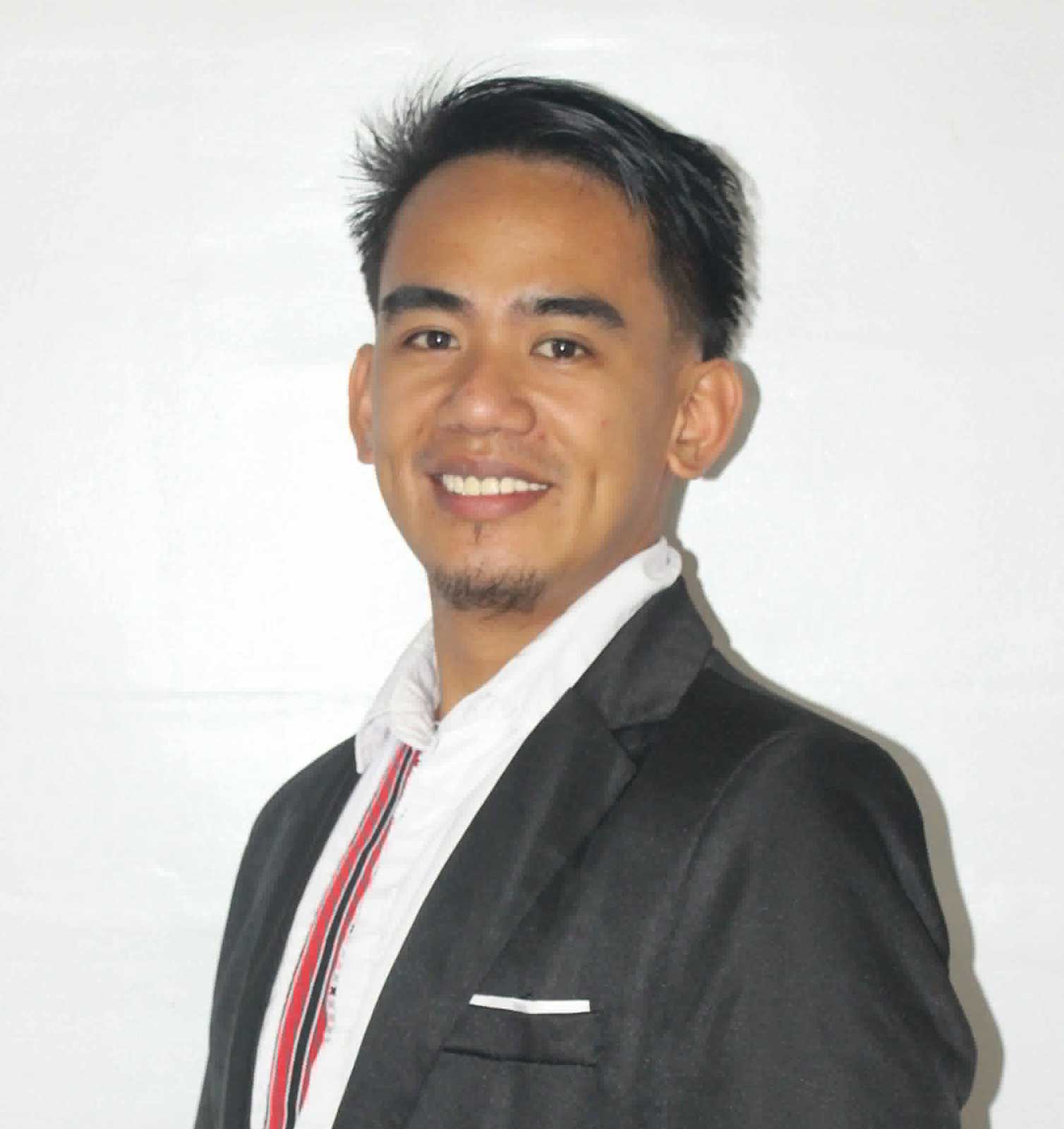
Absalom D. Toyeng (Tawid Ti)
Ibaloy-Kan-kana-ey, Philippines
Bio
Absalom D. Toyeng lives in Baguio City, Philippines. He is a cultural advocate, practitioner, performer, trainer, public servant, a husband, a father, and an Igorot who respects culture and heritage. He belongs to the Ibaloy-Kan-kana-ey Indigenous Group of Benguet Province. He was born and raised in Baguio City, surrounded by mountains, trees, and cold weather. Baguio City is a progressive city known for tourism and education, a center of learning, a melting pot of different cultures, and also a home to various indigenous groups. Its people are God-nature-loving people. During weekdays, he works in a public office catering to health and nutrition, and on weekends, he teaches young people and children cultural dances, songs, and chants. He also co-manages an advocacy social media page that promotes Cordillera culture, heritage, and values.
@tawid_ti_igorotph

A Day on Earth captures everyday acts of love and protection for Mother Earth — all filmed on a single day: Earth Day, April 22, 2025.
Follow Us
© 2025 If Not Us Then Who. All rights reserved.
73 market street, Venice, CA 90291, USA
If Not Us Then Who is a US registered charity, 501(c)(3), EIN 814186787