Yurshell Rodríguez
There are spaces in the world that remind you why you keep going, even when the weight of it all feels like too much. Oxford was one of those spaces for me.
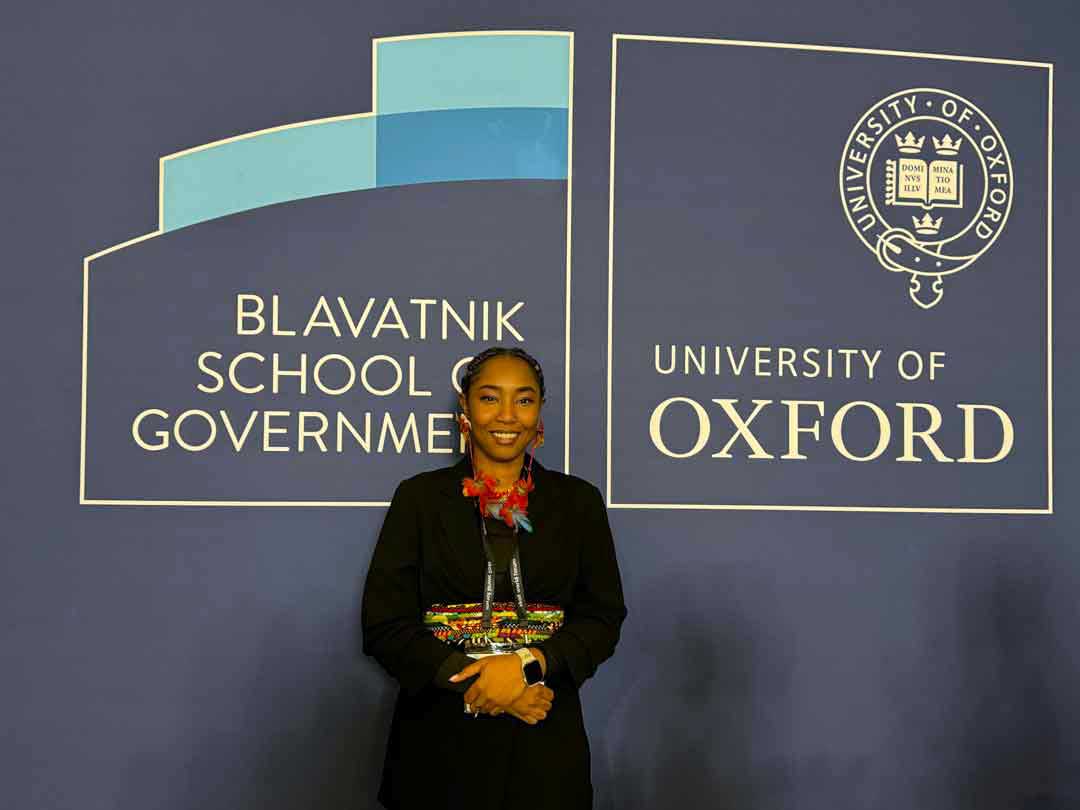
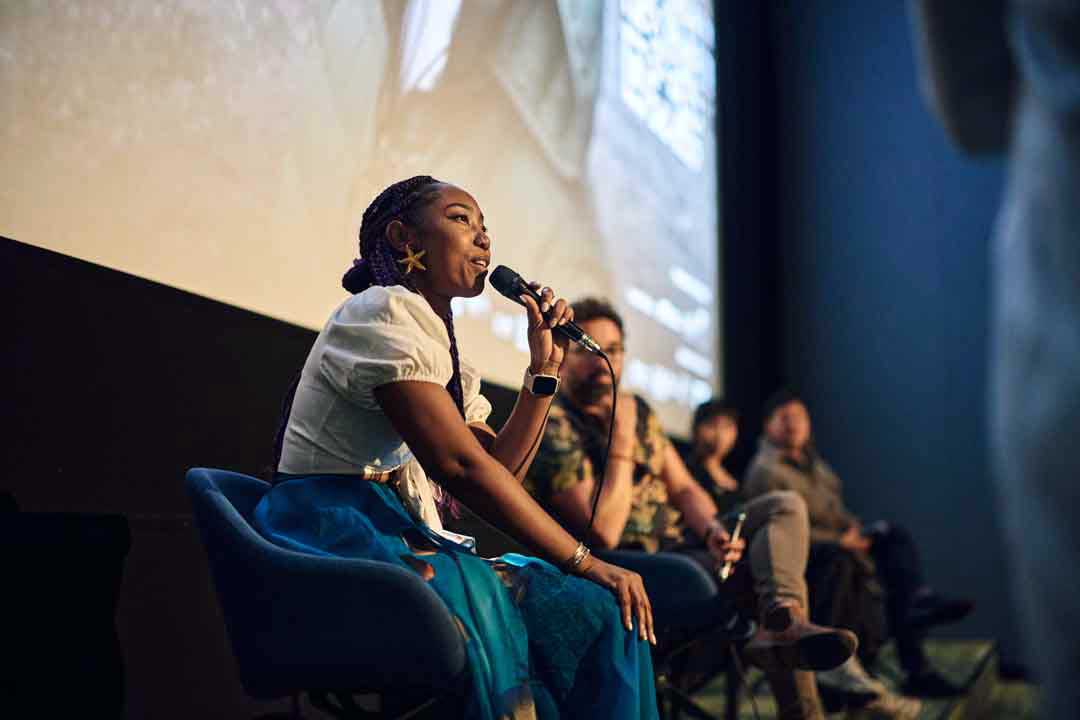
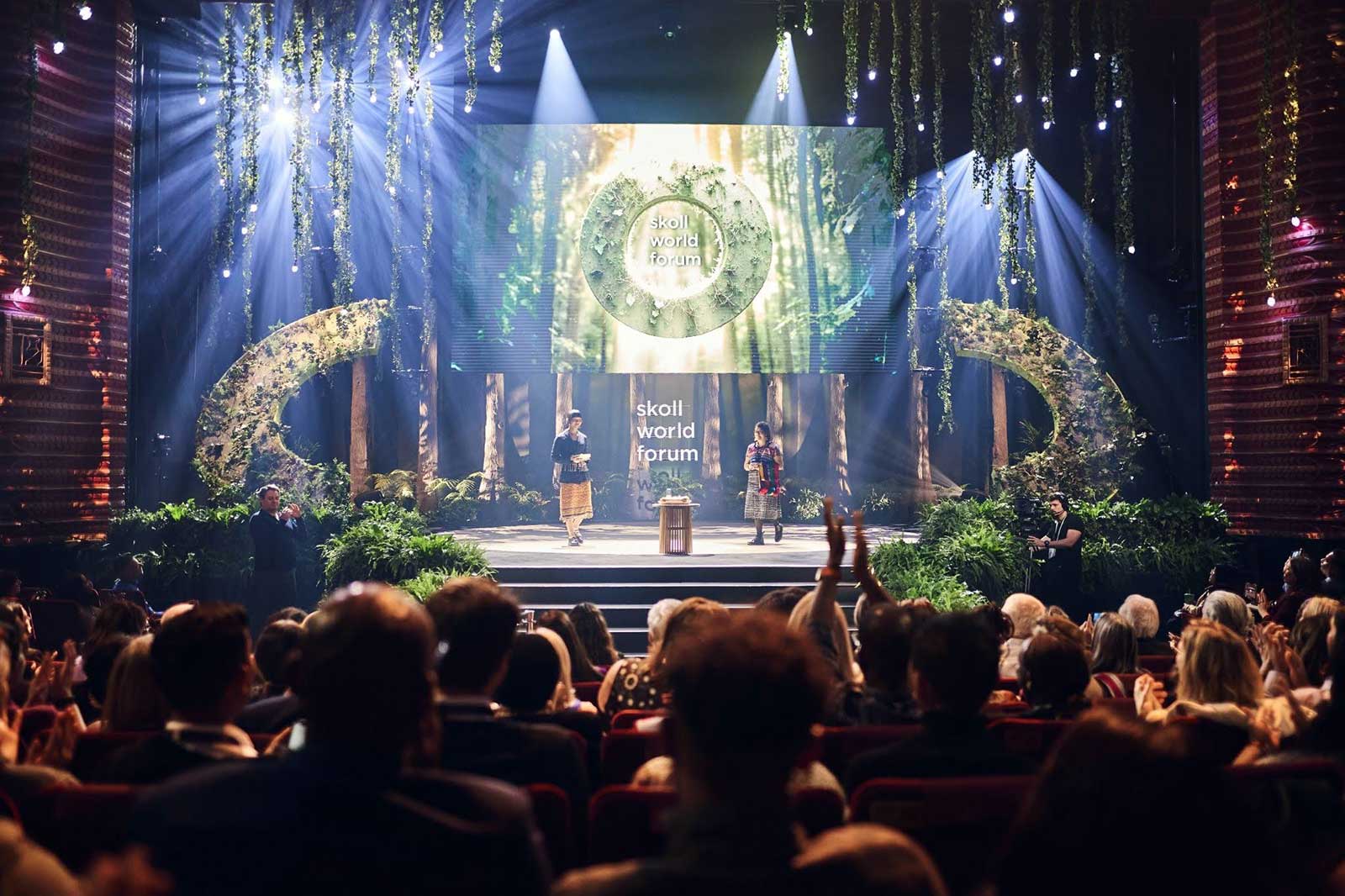
I arrived at the Skoll World Forum this year wearing two hats, both of which feel inseparable from who I am. I came as the Lead of the Global Training Department at If Not Us Then Who?, and as part of the team supporting Lucia Ixchíu and Kynan Tegar during the Open Plenary at the Forum’s grand opening. But more than any title, I came as a Raizal, Afro-descendant woman from the Caribbean islands of San Andrés, Providencia, and Santa Catalina, carrying with me the ocean, the ancestors, and the communities whose stories rarely make it into rooms like that one.
That’s what made being there feel so charged.
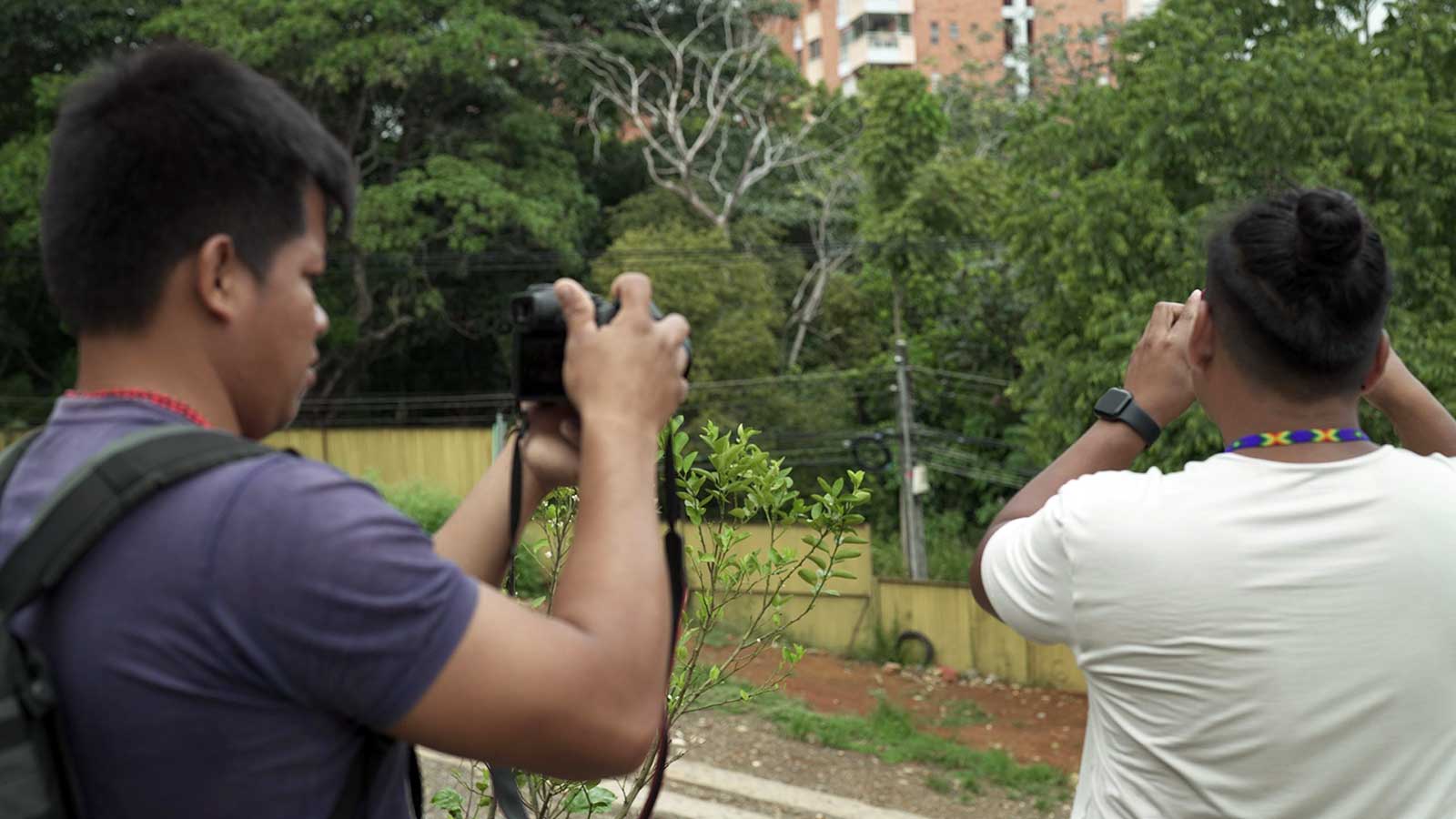
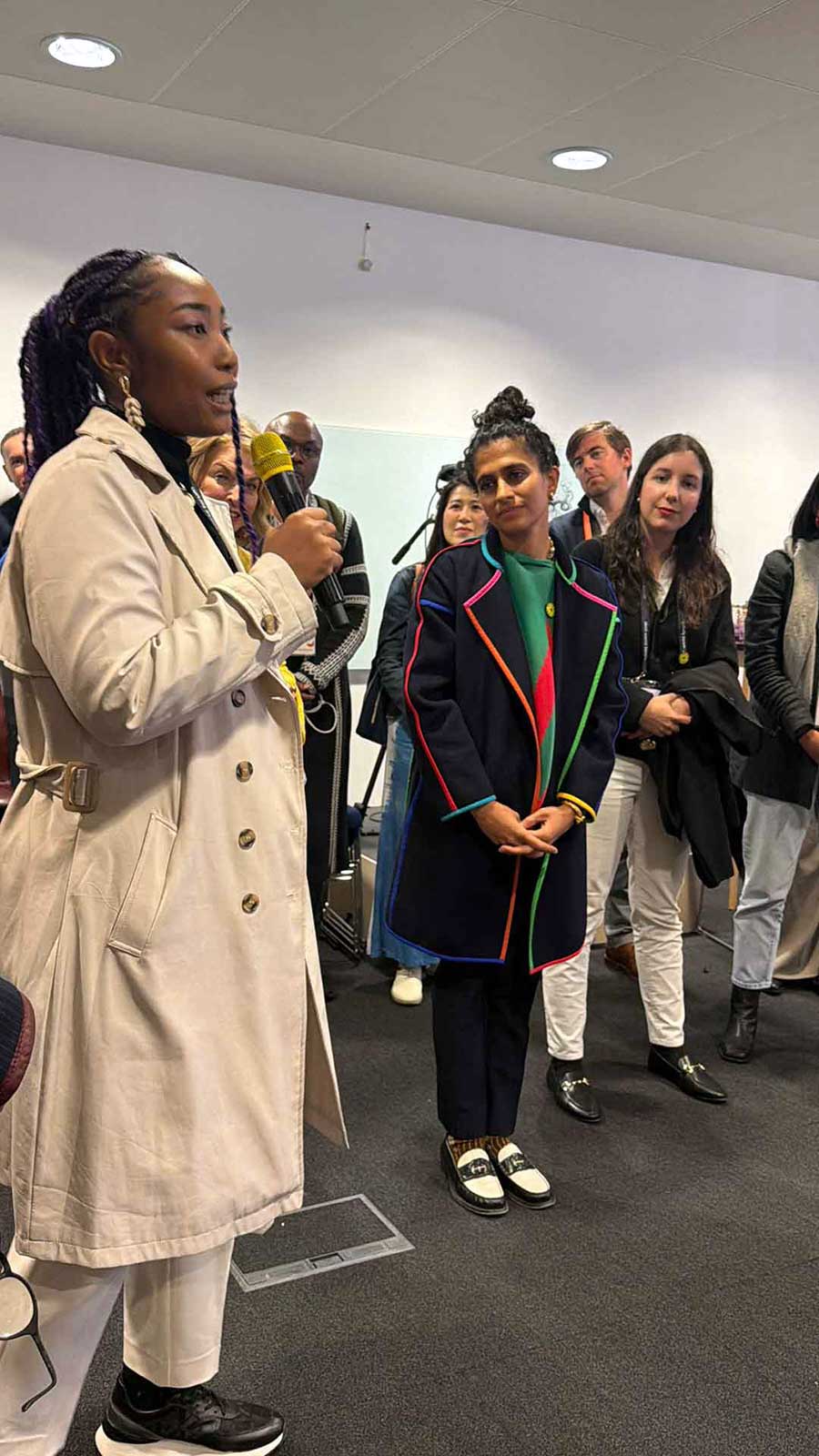
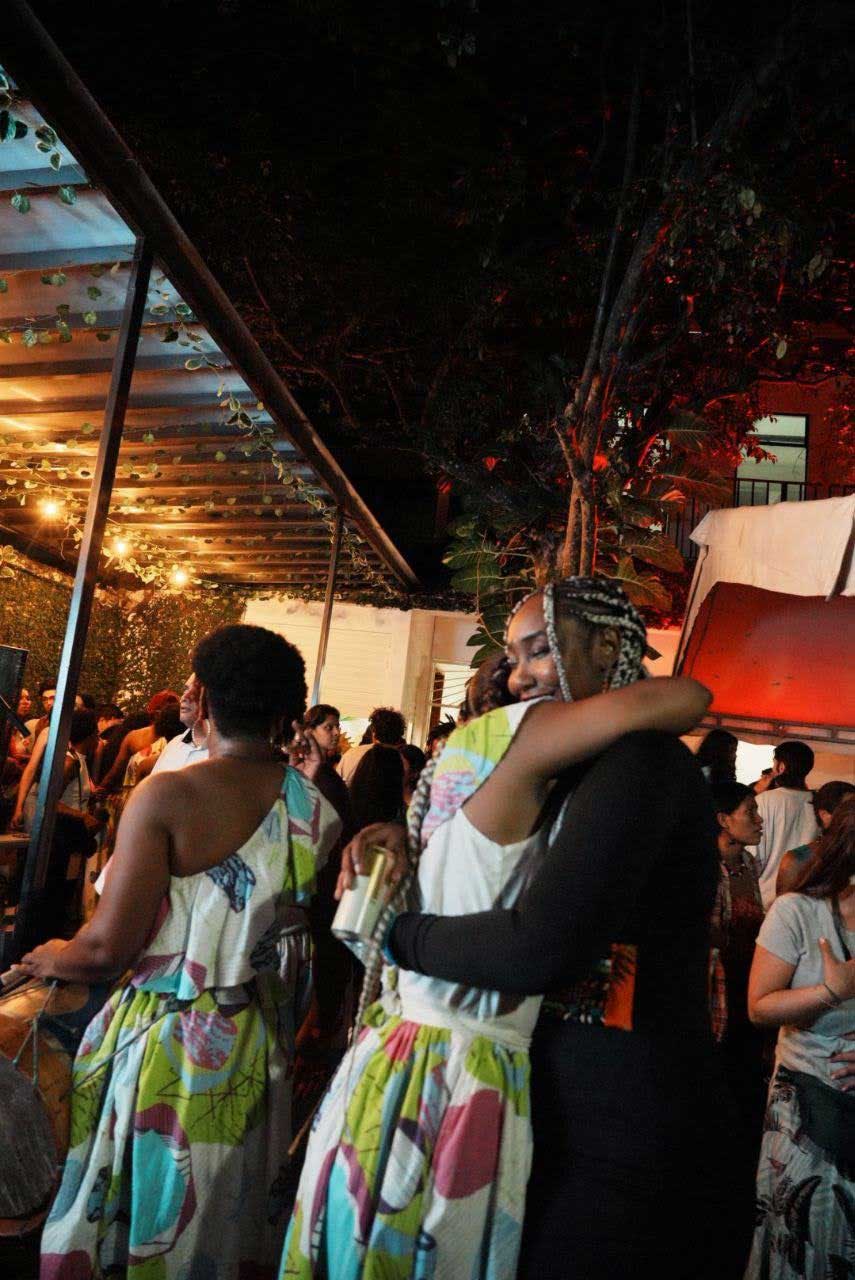
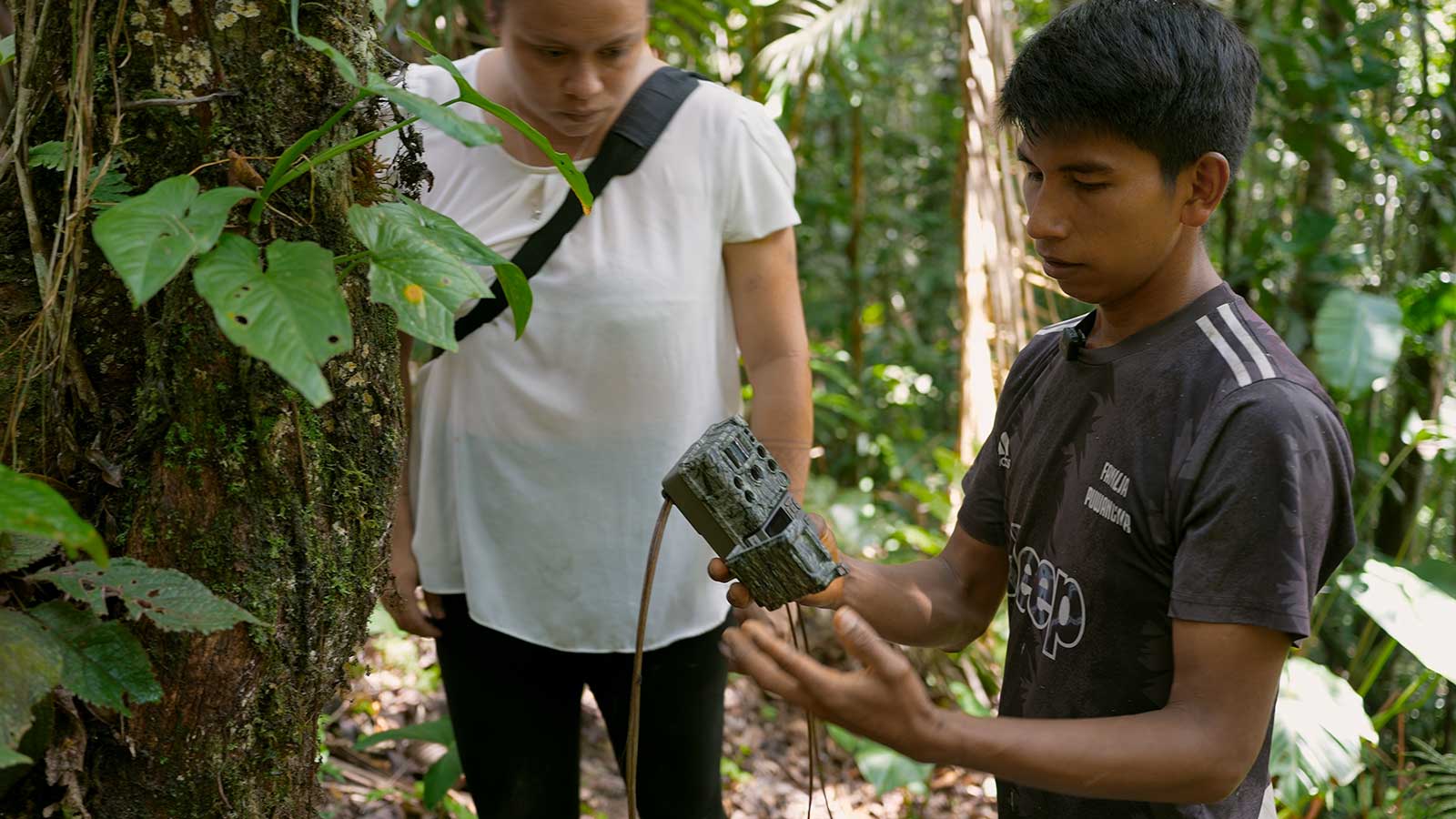
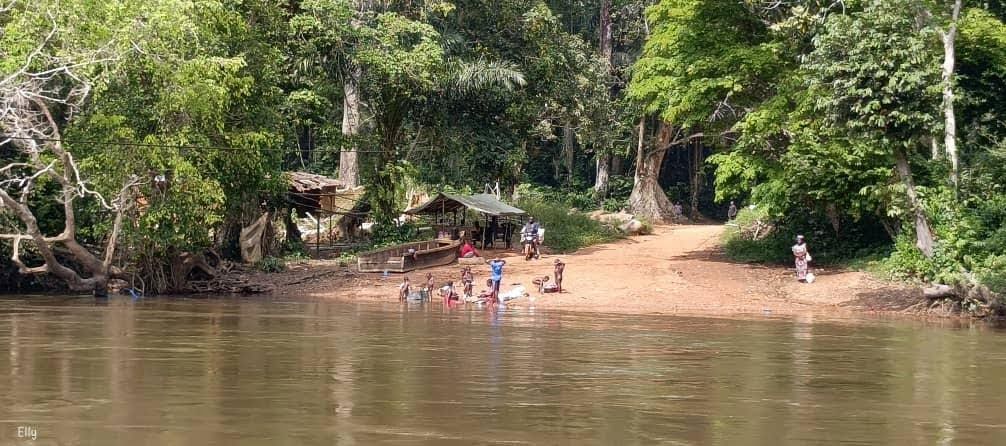
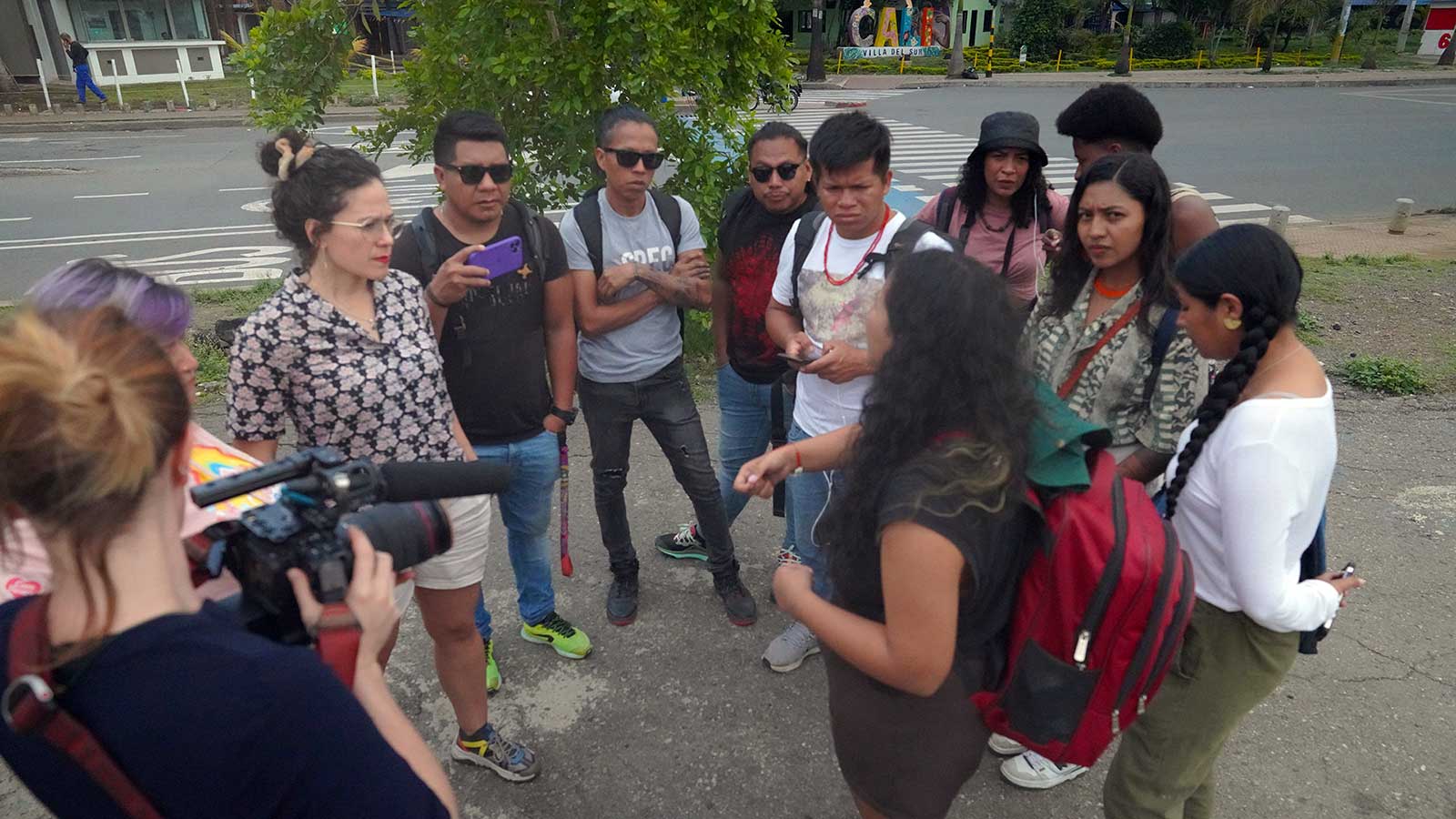
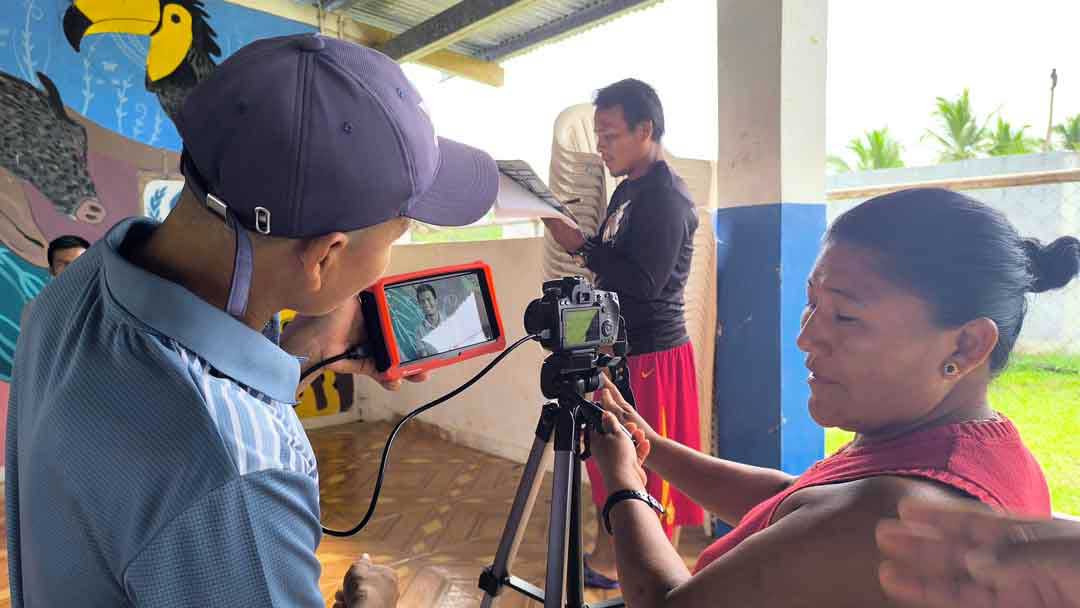
The work I do every day at INUTW, training filmmakers, building residency programs, mentoring community storytellers across continents, is, at its core, an act of redistribution. Of who gets to shape a narrative. Of who gets to decide what’s worth documenting, and how. When I walked into that room in Oxford, I wasn’t just representing myself. I was carrying the hands of the 76 Indigenous, Afro-descendant, and local community filmmakers from 26 countries who made A Day on Earth possible. Filmmakers I’ve had the privilege of walking alongside.
Screening that film at Skoll was one of the most meaningful moments of my professional life, not because of the venue, but because of what it proved. That when communities hold the camera, something shifts. The story breathes differently. The truth lands differently.
The Forum itself felt like that kind of breathing room. Not a polished conference where ideas stay safely on slides but something more alive, a living ecosystem of movements, funders, artists, and organizers trying to turn the weight of this historical moment into something actionable.
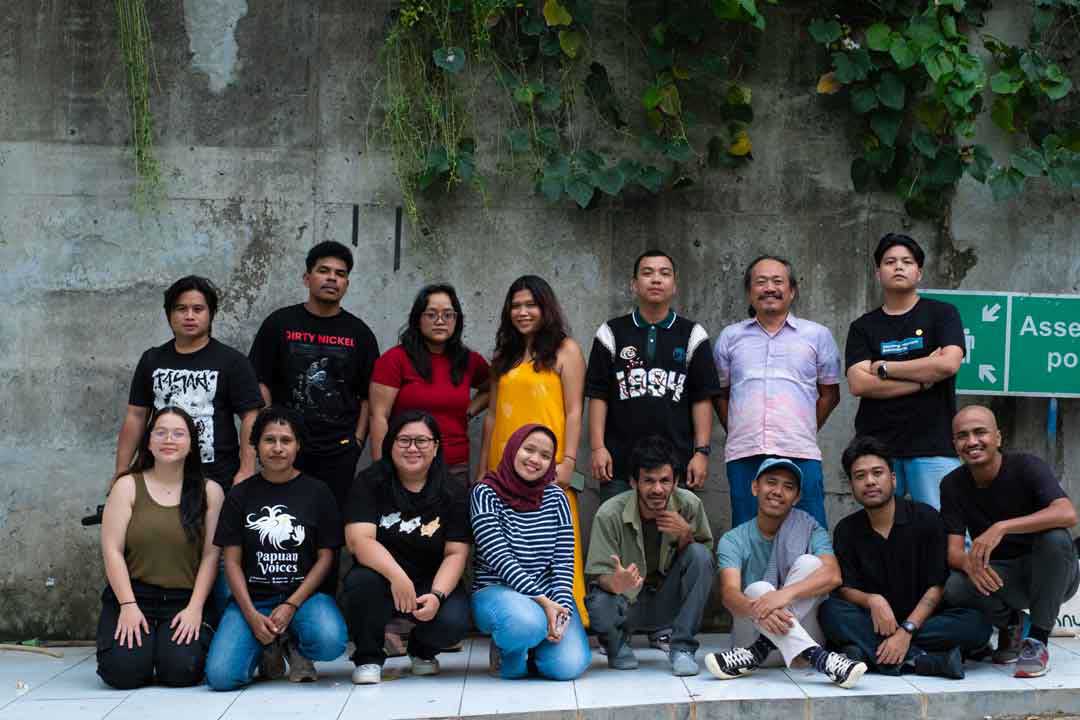
There was grief in some of those conversations. There was also laughter, curiosity, and genuine love. That felt right to me. Hope that doesn’t make room for difficulty or differences isn’t hope, it’s performance.
What I kept returning to, sitting in those sessions, was how much the work of capacity building, training is also the work of belonging. When we support a young Afro-descendant filmmaker in Colombia or an Indigenous media collective in the Brazilian Amazon to sharpen their skills and tell their own story with confidence, we are not just building a skill set. We are saying: your perspective belongs in the global conversation. Your voice belongs in the rooms where decisions get made. Skoll was a reminder of why that work is not optional, it’s foundational.
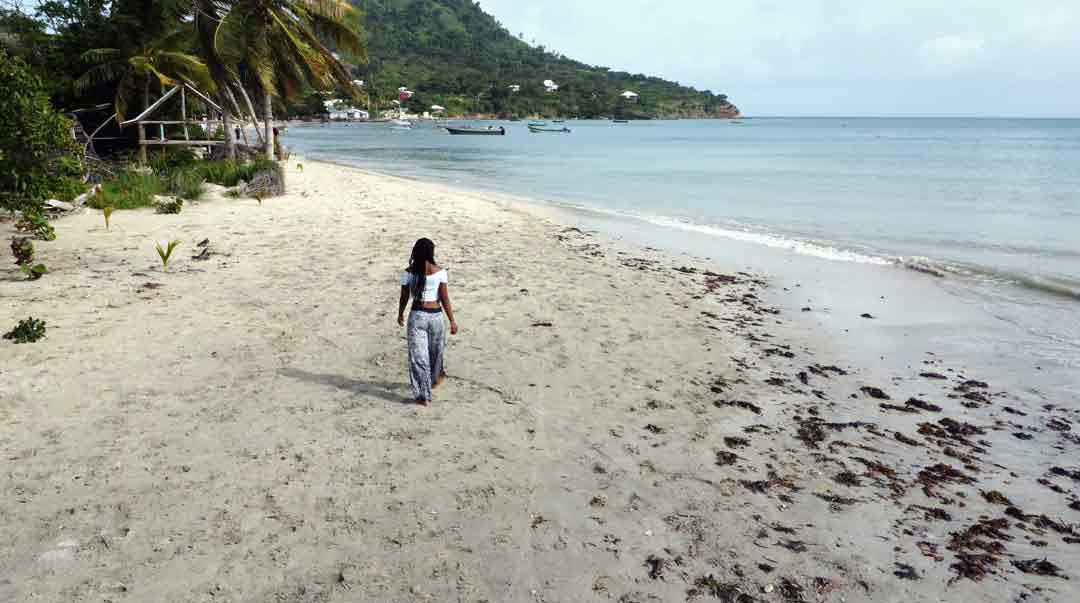
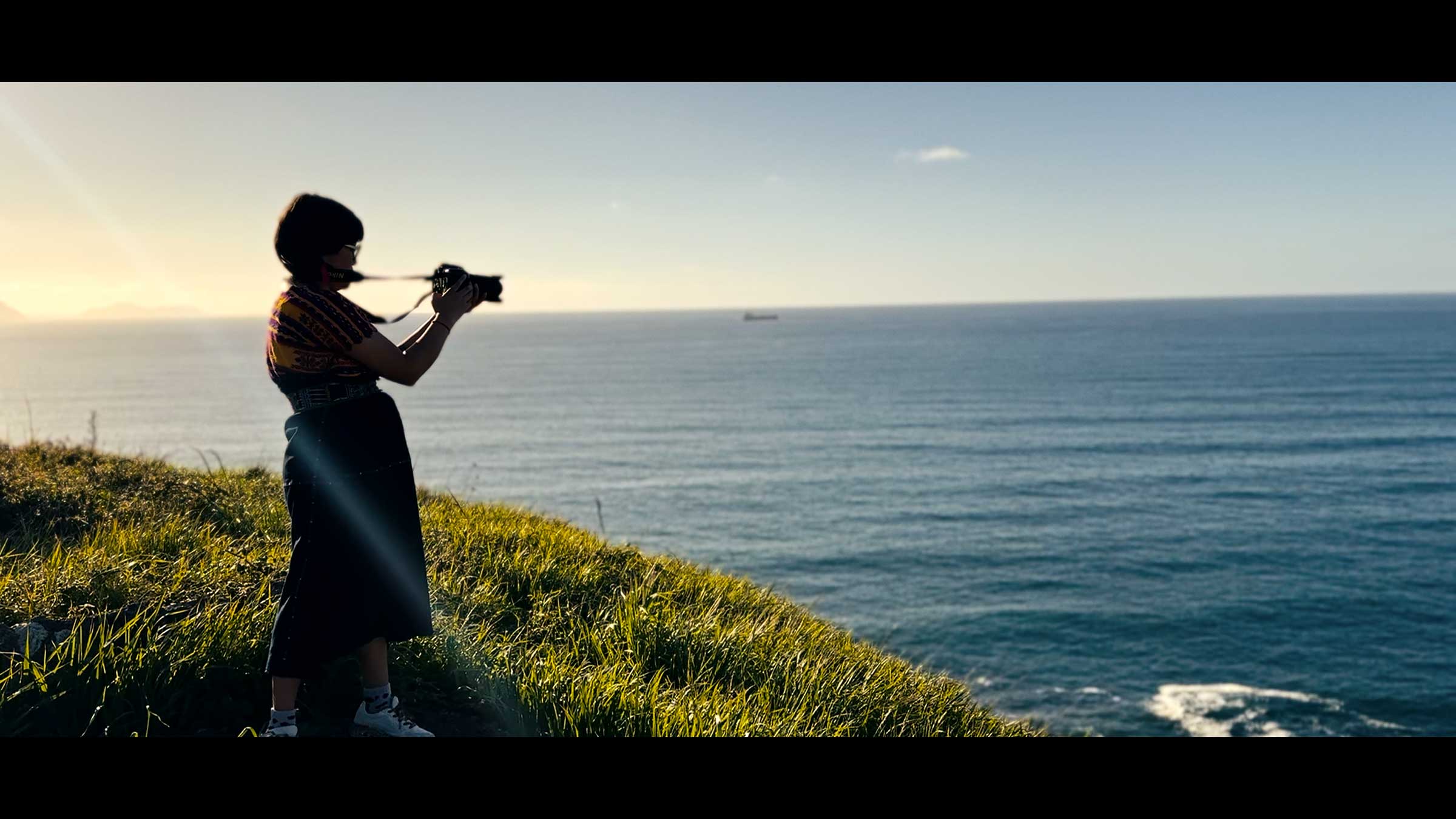
Bringing the voice of the ocean into those conversations mattered too. As someone from a small island territory, I know that coral reefs and coastlines are not metaphors or policy categories. They are living relatives. They hold memories. They sustain life, culture, spirituality, and ways of existing in the world. Bringing these perspectives into global spaces is essential if we truly want climate action that is grounded in justice and interconnectedness.
And so I close this reflection where the Forum itself closed for me, with A Day on Earth. With the understanding that every day we are on this Earth, we are making choices. About whose story gets told. About who we train, who we fund, who we place at the front of the room. At INUTW, that question is not rhetorical. It is work.
If not us, then who?
Not a question. An answer we’re building, together, every day.