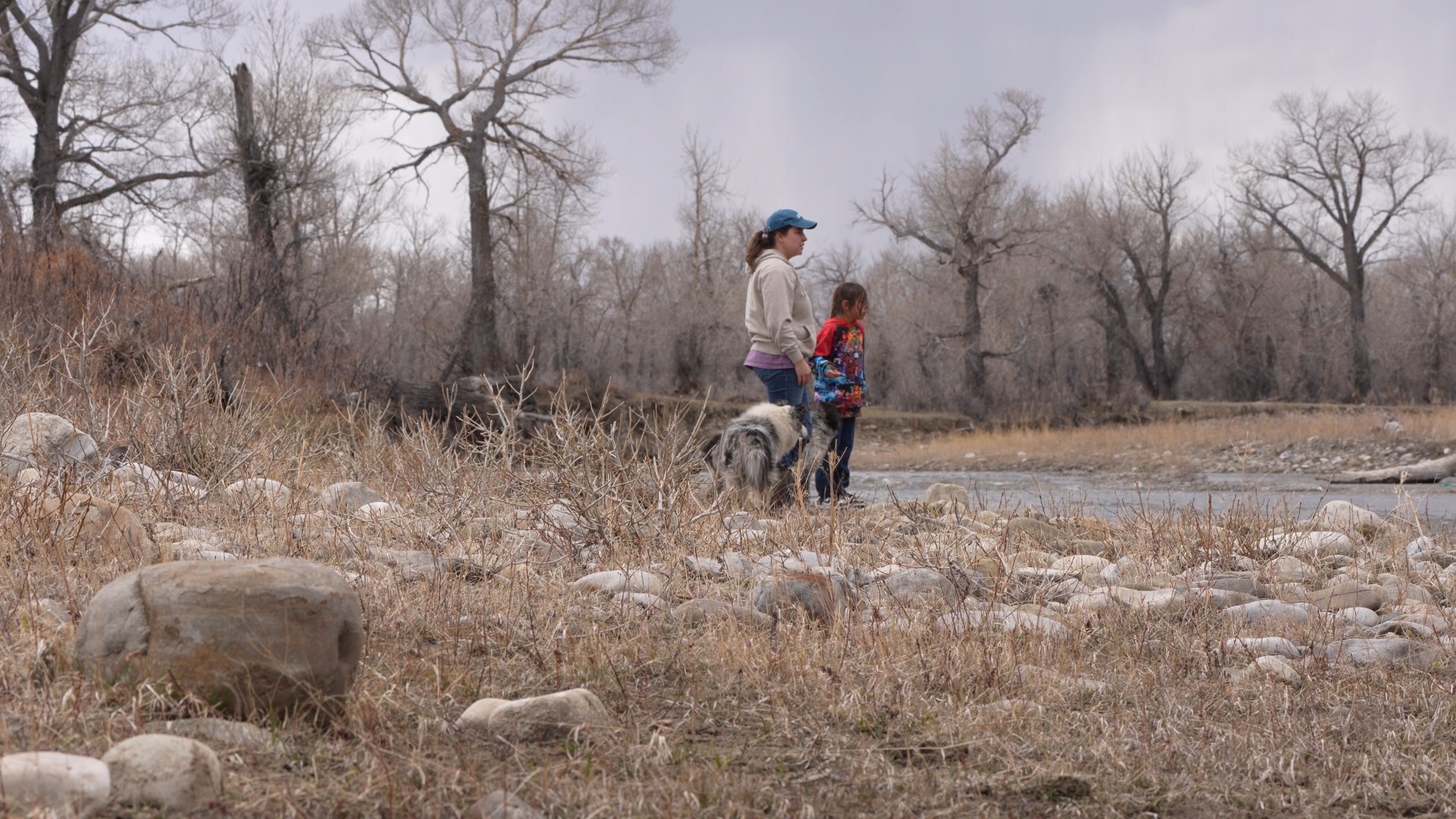
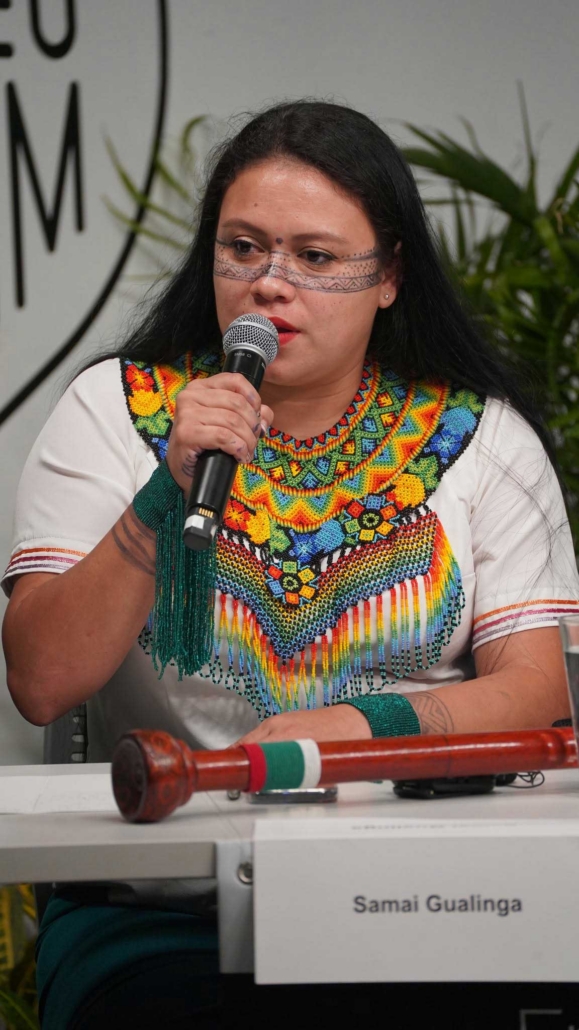
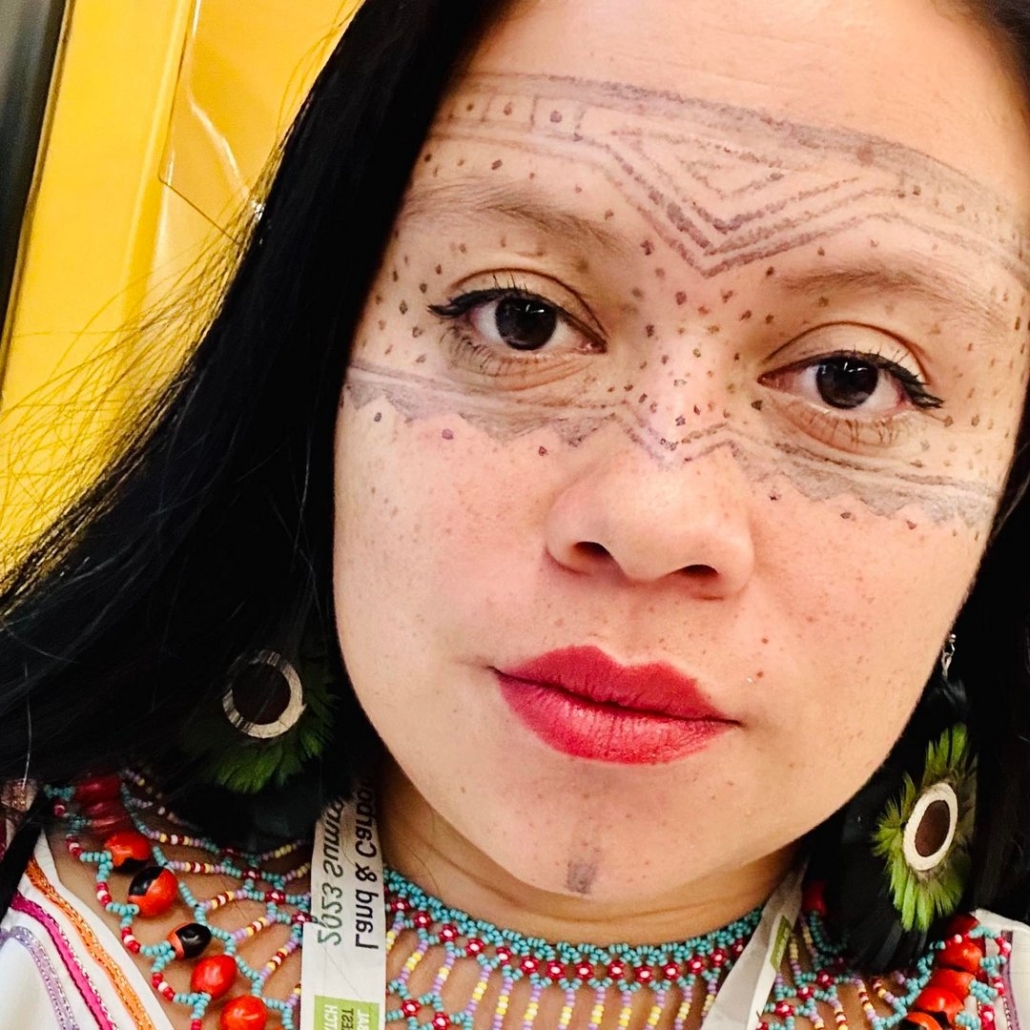
Samai Gualinga
A cradle between two worlds and respect for Mother Earth
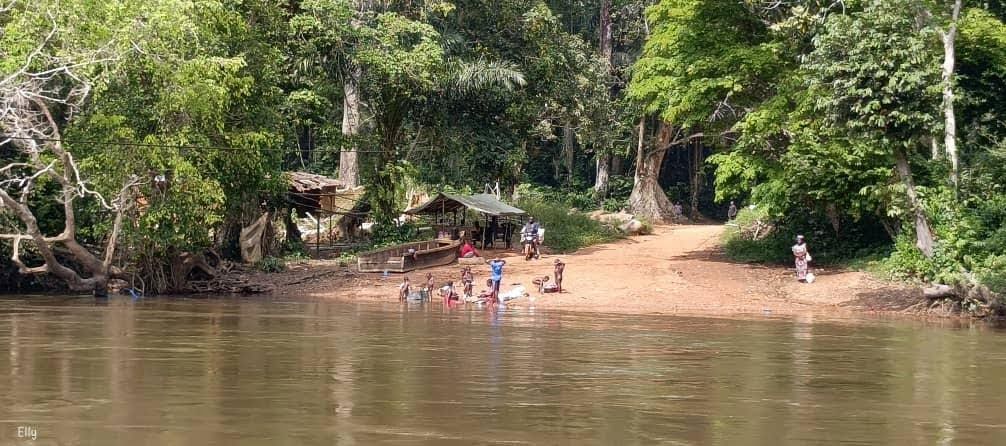
I grew up in the heart of the Amazon rainforest, in a village called Sarayaku. My family taught me that Nature is not a resource to exploit or a lifeless landscape, but a living, conscious being that connects us with every form of life. I grew up learning to respect every tree, every mountain, every lagoon, and every being that inhabits the forest, because in it we find the food that nourishes us, the medicine that heals us, the strength that sustains us, and the wisdom that guides us from generation to generation. Moving through this world carried its own unique nuance for me: I am the reflection of two profoundly different cultures. My father is Indigenous Kichwa from the village of Sarayaku, and my mother is European, from Belgium, who arrived in the territory, fell in love with our way of life, and has now lived in the village for four decades. Growing up between the pulse of cities and the eternal murmur of the forest shaped, from a very early age, the way I understand the world and the place we occupy in it.
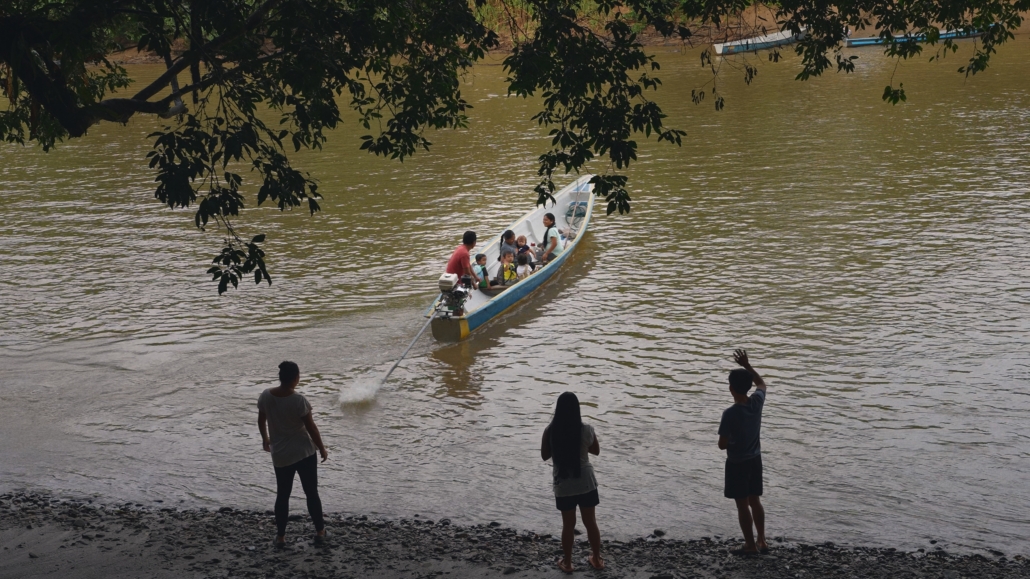
Kawsak Sacha: The philosophy of the Living Forest
Within our cosmovision, we understand that the forest is alive; it is Kawsak Sacha, the Living Forest. It is inhabited by protector beings of the mountains, the rivers, and the giant trees, who coexist in balance with all the peoples of the forest, including human beings. Kawsak Sacha is a comprehensive proposal that Sarayaku has presented to the world to defend biodiversity and legally demand that the territory, the forest, and everything that makes it up be recognized as a living, conscious being and subject of rights, deserving of absolute respect. Protecting the territory is not only about defending our land, it is about preserving this ancestral knowledge and biological diversity that sustains the life of our people and of the planet.
The spark of conflict and the camera as a weapon
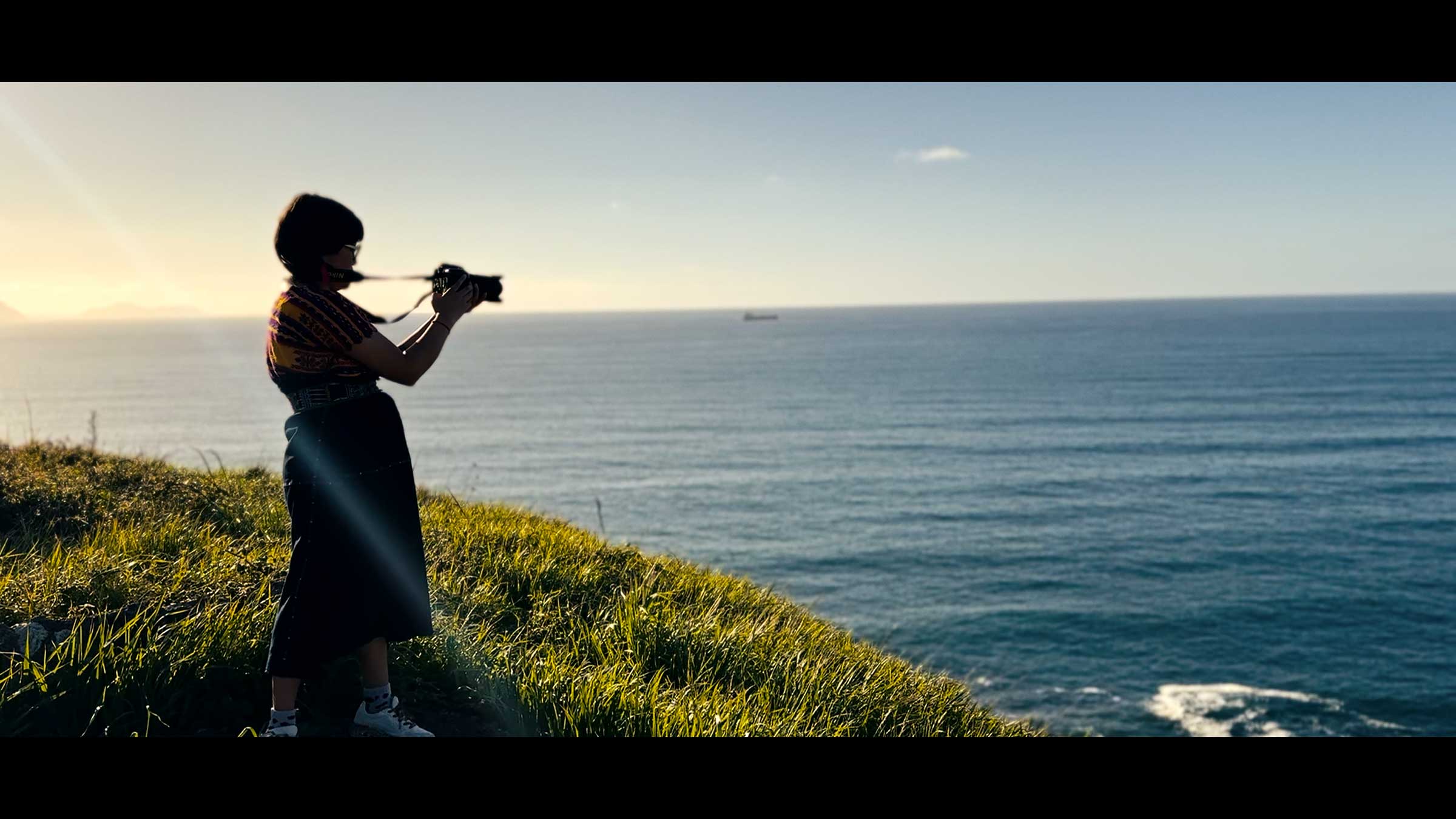
In 2002 and 2003, when I was barely 14, an oil company invaded our territory. I witnessed all of my relatives mobilize to defend the forest when the company tried to alter our daily life and bring pentolite explosives into the depths of the forest to carry out exploration, without our consent and without ever having carried out any process of prior consultation. In the middle of that anguish, my greatest inspiration was my uncle Eriberto, one of the first cameramen from our village. Through his lens, he preserved the memory of every abuse, of the violence we lived through, but also of the strength and dignity with which our people resisted. His footage not only accompanied the struggle that succeeded in expelling the oil company from our territory, but it also became essential evidence in reaching the historic ruling of the Inter-American Court of Human Rights in 2012. From then on, I understood that a camera can be much more than a tool for looking at the world; it can give voice to those who have been silenced and open paths toward truth and justice.
The dream of merging art, identity, and technology
From a very young age, I was fascinated by computers, drawing, and graphic design. I dreamed of the day when technology and art could merge to create cartoons based on our stories, Kichwa mythology, and the beings of Kawsak Sacha. As I grew, though, my vision expanded: technology was not only an aesthetic tool; it was a megaphone to teach the world that Indigenous peoples are still alive, resisting, creating, and building a future. We had to break the taboos that say Indigenous peoples live in the past, that we are enemies of development, or that we live isolated from society, and instead make visible our way of life, our language, our traditions, and our culture. Audiovisual communication became my vehicle for showing that there are ways of life that do not require destruction or the aggressive exploitation of the environment.
Processes of resistance and proposals from the territory
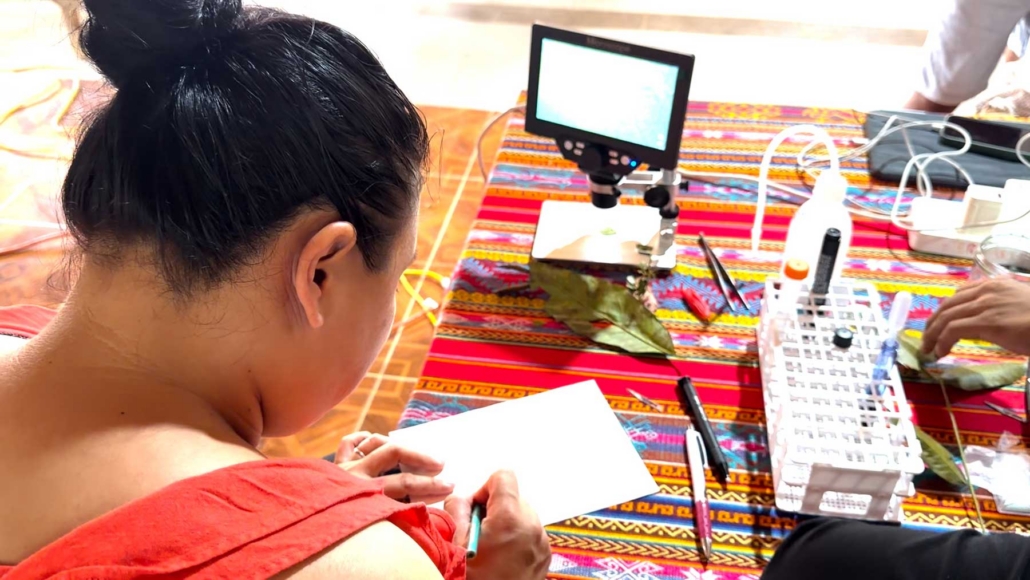
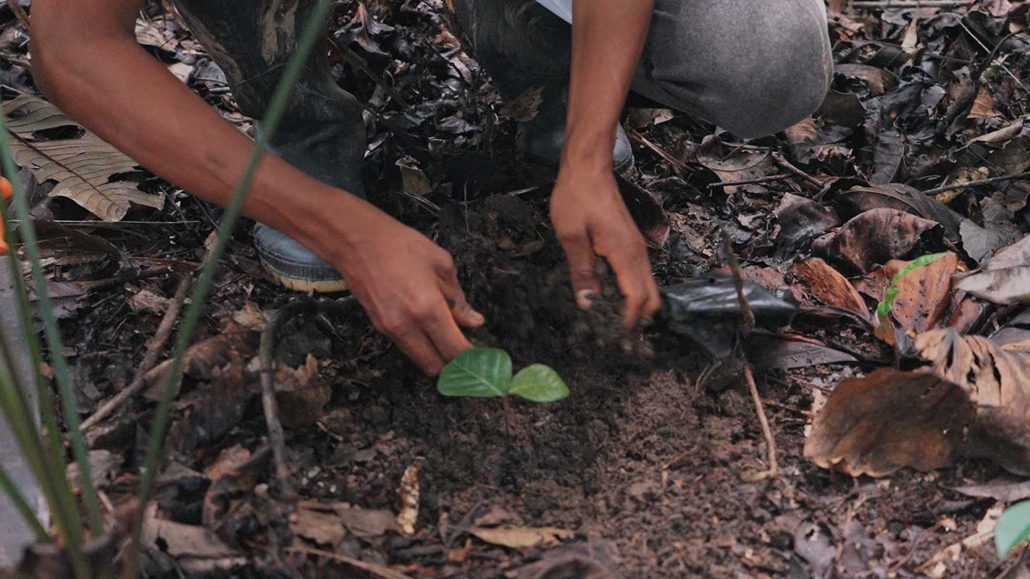
Sarayaku does not only resist extractivism, it also proposes real solutions for the future. My motivation for participating in international initiatives like the A Day on Earth competition came precisely from the need to show how our people carry out their life plan, and organize their own monitoring, reporting, and oversight of biodiversity and territory. Documenting the daily life of the women, the men, the girls and boys, and the elders of our village lets us show the world that defending Kawsak Sacha is a daily task of mutual care that benefits future generations.
The girls’ game that became a destiny
I remember with particular clarity a story from my childhood. When my cousin and I would listen to my father talk about the imminent danger of the oil companies, fear led us to devise a “defense plan.” We promised to be the guardians of the forest: we would call on the ants, summon the animals of the mountain, and drive out the invaders with stinging nettles. Over the years we understood that defending our territory would take a different path. The nettles were replaced by cameras, microphones, computers, and design tools; our desire to protect the forest, though, never changed. That innocent game of two girls became, over the years, the central mission of our lives.
photo: Sarayaku defensores de la selva
Written by Samai Gualinga
Samai Gualinga is a Kichwa woman from Sarayaku, the People of the Midday, and a communicator, audiovisual producer, and vice president of Sarayaku, working to strengthen ancestral memory and self-determination.